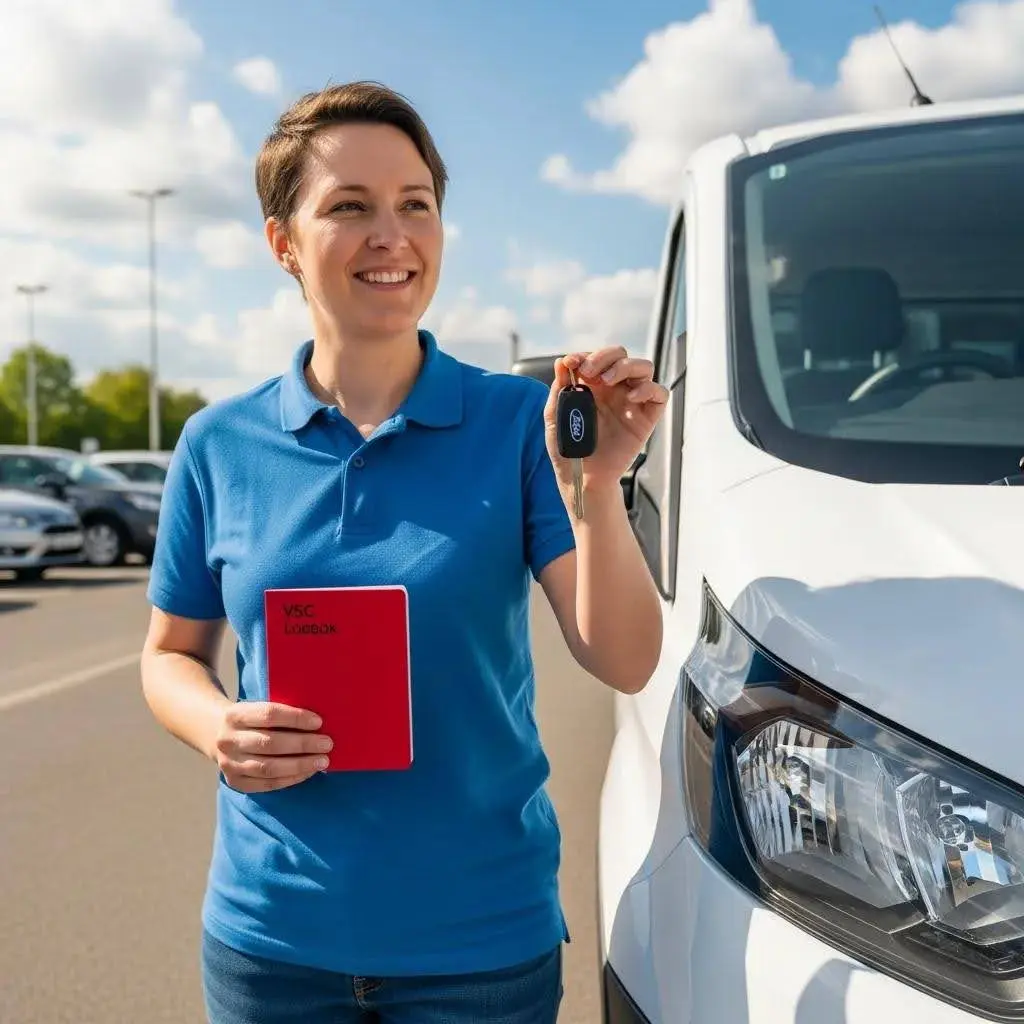
Selling a van in the UK is straightforward when you have the right documents and follow a simple DVLA notification process. The V5C vehicle registration certificate (logbook) is the key document; it shows who the registered keeper is and includes the section you and the buyer must complete to transfer ownership.
This guide walks you through the paperwork you’ll need, what to do if the V5C is missing or the vehicle has outstanding finance, how to notify the DVLA, and which practical documents can speed up collection.
We also cover special cases like non-runners and provide clear checklists for handover. If you want a faster option, get an instant quote and sell your van, truck, or motorhome to Cash Your Vans; otherwise, read on for step-by-step guidance and quick-reference lists you can use at collection.
What Is The V5c Logbook And Why Does It Matter When Selling Your Van?
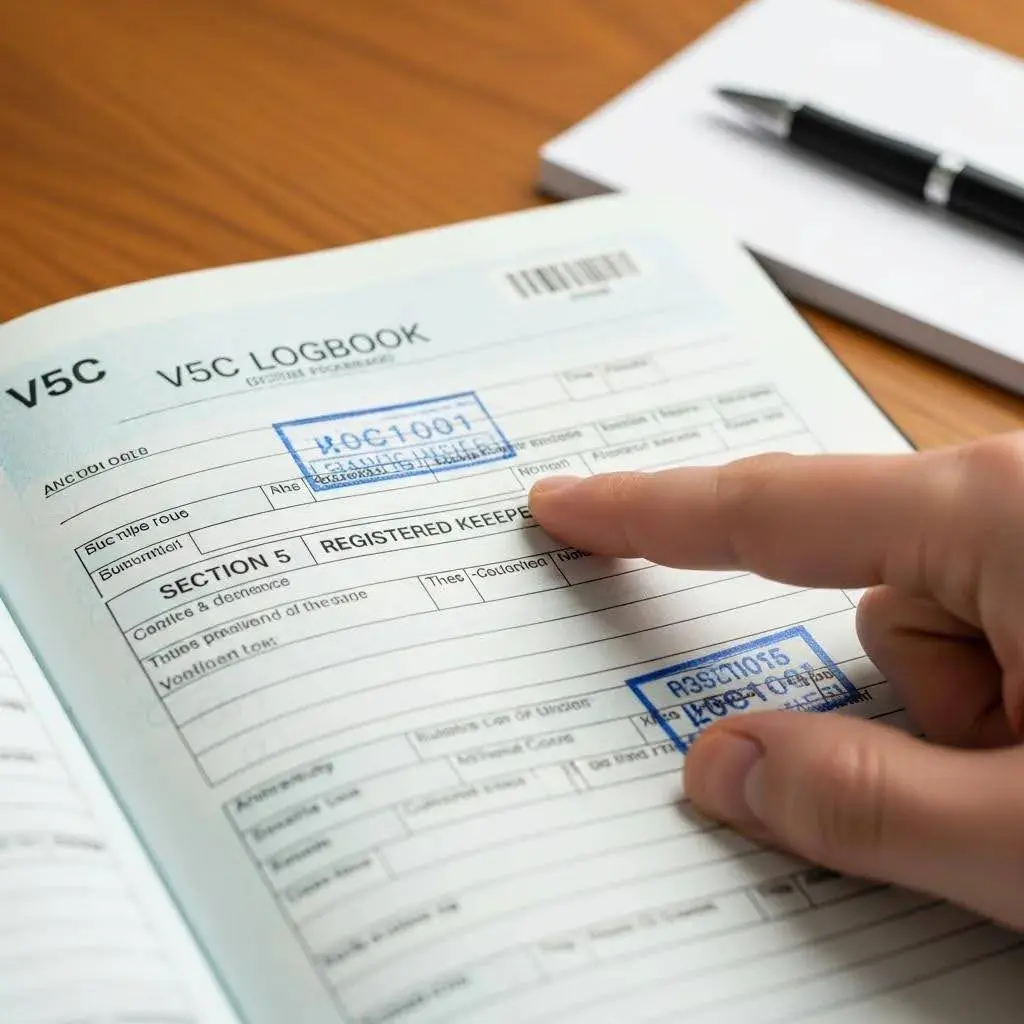
The V5C (logbook) is the DVLA’s vehicle registration certificate. It names the registered keeper and records key vehicle details such as the registration number and VIN. Buyers rely on the V5C to confirm lawful ownership, and filling in the correct sections ensures the DVLA updates its records and removes your liability as the registered keeper.
Before you agree to a sale, check the VIN, registration number and name on the V5C, small errors here can cause collection delays. Knowing what’s on the V5C and what to do if it’s missing makes the sale cleaner and prepares you for the DVLA notification you should complete after handover.
What The V5c Logbook Contains
The V5C is split into sections that record the keeper and vehicle details, so you and the buyer should check these fields together before collection.
It shows the registered keeper’s name and address, the registration number, the vehicle identification number (VIN) and a section for the new keeper’s details that the buyer signs. Below is a quick table explaining the main V5C entries and why they matter at handover.
| V5C Field | What it shows | Why it matters |
|---|---|---|
| Registered keeper | The name and address recorded against the vehicle | Shows who the DVLA links to the van in its tax and legal records |
| Registration number | The vehicle’s number plate identifier | Confirms the paperwork matches the van being sold |
| VIN (Vehicle Identification Number) | The vehicle’s unique chassis number | Helps verify the exact vehicle and prevent cloning or fraud |
| V5C section 6 (new keeper details) | Space for the buyer’s name, address and signature | Needed for the DVLA transfer and to remove the seller’s liability |
| Green new keeper slip | Temporary proof the buyer keeps while DVLA records update | Acts as immediate proof at handover while DVLA records update |
Use this table as a checklist at handover, confirming each item together reduces the risk of rejected transfers or later disputes for both buyer and seller.
Selling A Van Without A V5c In The Uk
You can sell a van without the original V5C, but buyers usually want additional proof of identity and vehicle history before they collect.
If the logbook is missing, apply for a replacement from the DVLA as soon as possible and be ready to share the VIN, MOT history and service records to reassure buyers. The steps below show what to do if you don’t have the V5C yet and how to present a clear plan to the buyer or a professional purchaser.
- Apply for a replacement V5C: Contact the DVLA and get a reference showing you’ve started the process.
- Provide vehicle identifiers: Share the VIN, MOT history and any service history to confirm identity.
- Agree conditional collection: If a buyer will collect without a V5C, set out a written arrangement clarifying responsibilities and the next steps.
If you must sell before the replacement arrives, be open with the buyer and provide verifiable identity and vehicle records. Many professional buyers will still buy but may adjust the offer or run extra checks. Being transparent protects both parties and makes it easier to update DVLA records once the replacement V5C arrives.
What Proof Of Identity And Address Do You Need To Sell Your Van?
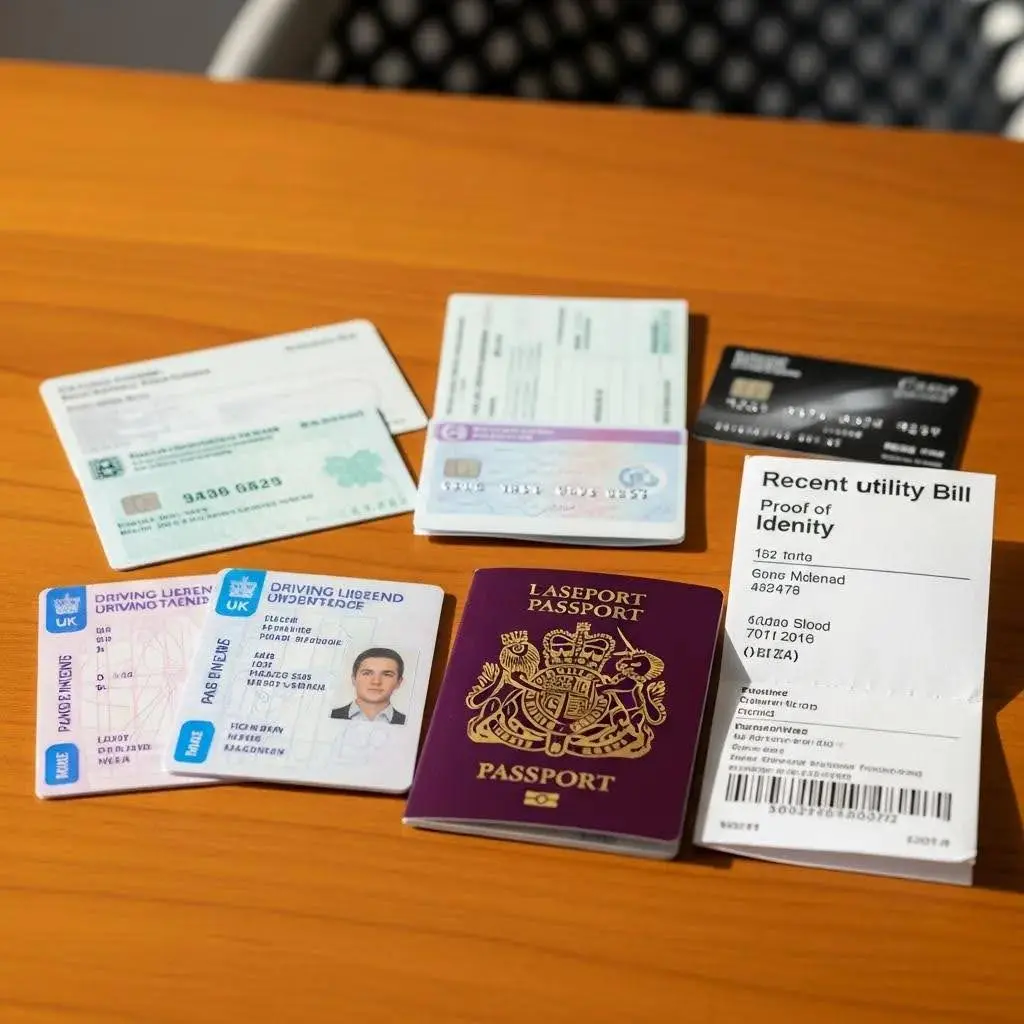
Buyers and vehicle purchasing services need proof of ID and address to verify the seller and prevent fraud, especially when payment is by bank transfer or at collection. Acceptable ID is usually government-issued photo ID and the proof of address should be recent and match where the registered keeper lives.
Having clear, in-date documents before you list or arrange collection speeds up the sale and reduces the risk of the buyer postponing collection for identity checks. The sections below list acceptable photo ID and tips for business sellers or authorised representatives.
Acceptable ID For Selling Your Van
Primary photo ID, a valid UK photocard driving licence or passport, is normally accepted to match the name on the V5C. Some buyers accept other government photo IDs but may ask for additional evidence.
If you’re selling for a business, bring company ID and proof of authorisation; if an agent or proxy is collecting, they should bring a signed authority letter plus ID for both the owner and the agent. Make sure the ID you bring matches the name on the V5C or bring supporting documents to explain any differences.
- Primary photo IDs: Photocard driving licence, passport, used to match the name of the V5C registered keeper.
- Business seller documents: Company letterhead, director ID and proof of authorisation for company-owned vans.
- Proxies and representatives: Signed authority letter plus ID for both the principal and the agent.
Having these ready helps prevent last-minute cancellations and makes identity checks at collection quick and professional. If you don’t have standard ID, tell the buyer early, many professional purchasers have alternative verification procedures.
How To Prove Your Address For A Van Sale
Proof of address usually needs to be recent (often within three months) and match the seller’s current residential address used for DVLA and bank records. Typical documents include utility bills, council tax statements and bank statements. For businesses, company registration documents or VAT records may be required.
If your documents are in a different name, bring supporting proof such as a signed declaration or a company letter on headed paper. Scanning these documents in advance helps remote valuations because buyers can verify them before collection, reducing on-site processing time.
- Typical proofs: Recent utility bill, council tax letter or bank statement dated within the last three months.
- Business evidence: Company letterhead confirming seller authority, VAT registration if relevant.
- When documents differ: Provide supporting paperwork and a short signed declaration to explain name mismatches.
Being prepared with proof of address builds buyer confidence, speeds up the transfer and reduces the risk of a withdrawn offer due to incomplete verification.
How Do You Handle Outstanding Finance When Selling Your Van?
Outstanding finance affects legal ownership because lenders usually keep a security interest until the loan is cleared. You must disclose any finance and obtain a settlement figure (redemption amount) before completing the sale. Request a settlement letter from your lender so both parties know exactly what’s needed to clear the debt at completion.
Hiding finance can lead to repossession or legal problems later, so be open and have lender contact details and settlement information ready. Below we explain the settlement letter and common scenarios where you can sell a van with an outstanding finance.
Finance Settlement Letter, What It Is And How To Get One
A finance settlement letter (redemption figure) tells you how much is needed to clear outstanding finance and is often time-limited, so act quickly once you have the figure. Contact your lender, request the redemption statement, confirm how it can be paid and check how long the figure is valid.
Lenders usually include any interest or early repayment charges. Buyers and professional purchasers use this letter to ensure they won’t inherit lender security and to arrange payment at completion. Share the letter with the buyer and agree whether the buyer pays the lender directly or you clear the debt before transfer.
- Request the settlement p: Contact your lender and obtain an official redemption statement.
- Verify validity period: Note how long the figure remains valid and any charges included.
- Agree settlement method: Decide whether you or the buyer will pay the lender directly at completion.
Providing the settlement letter early avoids last-minute renegotiation and lets professional buyers include finance clearance in their collection process.
Selling A Van With Outstanding Finance In The Uk
When finance is outstanding, you can either clear the loan before sale, use the sale proceeds to settle at completion, or agree buyer-assisted settlement where the buyer pays the lender directly and then receives a clean title.
Never say the van is clear of finance if it isn’t, disclose the lender and give the redemption figure so the buyer can verify. The table below explains typical seller actions and buyer expectations for common finance situations.
| Scenario | Seller action | Buyer expectation |
|---|---|---|
| No finance | Provide V5C and ID for an immediate transfer | Clean transfer and immediate payment |
| Finance, in settlement | Provide lender name and settlement letter; arrange payoff at completion | Buyer may pay lender directly or adjust payment terms |
| Finance, defaulted | Disclose lender security and contact details; resolve before transfer | Buyer usually won’t complete until the debt is cleared or may require escrow |
Clear communication with the lender and written agreements reduce risk and help ensure the finance is settled before the DVLA record is updated. Many professional buyers help with lender liaison to speed up the sale, ask early if you expect buyer involvement to settle finance.
How Do You Notify The DVLA After Selling Your Van?
Notifying the DVLA records the change of keeper and ends your liability for vehicle tax and fines. You can notify online or use the V5C green new keeper slip.
Do this immediately after the sale, provide the buyer’s details, the date of sale and the vehicle registration so the DVLA updates its records and you receive a confirmation reference. Keep that confirmation with your payment records.
How To Notify The DVLA of A Van Sale Online
Notifying the DVLA online is the quickest option. You’ll need the vehicle registration, the 11-digit V5C reference or details from the green slip, and the buyer’s details. Submit the form and save the confirmation reference; this is proof you’re no longer the registered keeper. Follow these steps:
- Gather documents: Have the V5C or green new keeper slip, buyer details, and sale date ready.
- Complete the online form: Enter the vehicle registration, V5C reference, and buyer information.
- Submit and save confirmation: Keep the DVLA confirmation reference as proof of transfer.
Keeping the confirmation and a copy of the sale paperwork prevents future disputes about tax, fines or ownership and is a simple but vital step after handover.
Consequences Of Not Notifying The Dvla
If you don’t notify the DVLA you remain recorded as the registered keeper and could still be liable for vehicle tax, penalty notices or enforcement action. It also makes proving the sale harder if a dispute happens.
If you realise you didn’t notify the DVLA, correct it straight away online or by post and keep evidence of the original sale to help resolve any penalties. Prompt notification protects both you and the buyer, keeping clear records of the sale, payment and the DVLA confirmation reference.
What Additional Documents Can Help Streamline Your Van Sale?
Alongside the V5C and ID, supporting documents such as a current MOT, a clear service history, spare keys, and receipts for recent work increase buyer confidence and can improve the final price or speed up collection.
These papers act as trust signals: an up-to-date MOT shows roadworthiness, service records prove maintenance, and invoices verify repairs. Scanning these documents helps with remote valuations so buyers can make offers without waiting for in-person checks. The sections below explain MOT and service documents and list other useful items to prepare before the sale.
Mot And Service History Requirements For Selling A Van
Most light commercial vehicles need an MOT annually once they reach the required age. Buyers look for a recent, valid MOT to reduce risk at collection. A service history with dates, mileage, and descriptions of work, oil changes, brakes, and major repairs, reassures buyers and can boost the valuation. Ideally, show stamped service entries or receipts.
When you provide MOT and service history together, buyers can make an informed decision, and professional purchasers can speed up payment and collection.
- MOT status: Provide the current MOT certificate or MOT history to show roadworthiness.
- Service entries: Present dated service records with mileage and the work carried out.
- Receipts: Include invoices for recent repairs or parts to back up service claims.
Having these documents ready shortens inspection time at collection and usually leads to a smoother, faster sale.
Other Documents To Prepare Before Selling Your Van
Collect spare keys, the owner’s manual, receipts for recent repairs, and any VAT invoices if the vehicle is trader-owned; these items reduce common buyer objections and cut negotiation friction.
For exports or dealer sales, include export paperwork or trader documents that explain VAT and prior use; for non-runners, provide clear condition notes and any salvage paperwork if relevant. Keep both physical and scanned copies so remote buyers can verify details quickly and schedule collection without delays. The table below shows how these documents affect sales outcomes.
| Document | Impact on sale | Required by whom |
|---|---|---|
| Spare keys | Reduces buyer costs and speeds handover | Most buyers |
| Owner’s manual | Improves perceived care and completeness | Private and trade buyers |
| Repair receipts | Supports service claims and valuation | Trade buyers and professional purchasers |
| VAT invoice | Clarifies tax status for commercial sales | Dealers and exporters |
| Export paperwork | Needed for cross-border sales | Exporters and specialist buyers |
Preparing and sharing these documents in advance reduces friction, helps professional buyers give instant quotes, and usually leads to quicker collections and smoother transfers.
How Cash Your Vans Simplifies The Paperwork When You Sell Your Van
Cash Your Vans is a UK company that buys vans, trucks, and motorhomes in any condition, nationwide. We streamline the sale by combining valuation, instant paymen,t and free collection into one process, and we handle much of the admin so you don’t have to.
You should still have ID and the V5C ready, but we assist with DVLA notifications and liaise with lenders when finance is outstanding. The sections below explain our instant quote flow and the paperwork tasks we typically take care of to speed up completion.
Instant Quote And Free Nationwide Collection
Start your sale with Cash Your Vans by providing basic vehicle details and receiving an instant quote based on make, model, condition, and documents. Accept the offer, and we’ll arrange a free nationwide collection at a time that suits you.
At handover, we complete ID and paperwork checks and pay you on the spot, no private ads, no drawn-out negotiations. During collection, we’ll confirm identity, check the V5C or supporting documents, and help with DVLA notification where needed, keeping the process quick and hassle-free for you.
Paperwork Cash Your Vans Handles On Your Behalf
We take on administrative tasks that often slow down private sales: checking V5C details, assisting with DVLA notifications, and liaising with lenders to settle outstanding finance. Our approach, “No paperwork headaches.
We handle everything for you.”, means you still need to bring primary ID and proof of address at handover and disclose any finance, but our team completes the transfer steps and prepares the paperwork for payment and DVLA updates. If you want a fast sale with minimal admin, Cash Your Vans is a single-step alternative to private advertising and complex settlements.
If you’re ready to get an instant quote and sell your van, truck, or motorhome to Cash Your Vans, have your V5C (or VIN and supporting documents), a valid photo I,D and proof of address ready to help collection and payment run smoothly.
Frequently Asked Questions
What Should I Do If I Lose My V5c Logbook Before Selling My Van?
Apply for a replacement V5C from the DVLA as soon as possible. You can start this online or by post. You’ll need your vehicle registration and identifying details. Buyers prefer to see the V5C, so while you wait, you can show the VIN, MOT history, and service records to reassure potential buyers.
Can I Sell My Van If It Has Outstanding Finance?
Yes, but you must be transparent. Get a settlement figure from your lender and share it with the buyer. The buyer may pay the lender directly, or you can clear the finance before transfer. Disclosing finance protects you and the buyer from repossession or legal problems later.
What Happens If I Don’t Notify The DVLA After Selling My Van?
If you don’t notify the DVLA, you remain the registered keeper and could still be liable for vehicle tax, fines, or enforcement. Always notify the DVLA promptly using the green new keeper slip or the online service, and keep the confirmation reference as proof you’re no longer responsible.
Are There Any Additional Documents That Can Help Increase The Sale Price Of My Van?
Yes. A valid MOT, a full service history, and receipts for recent repairs all increase buyer confidence and can help secure a better price. Spare keys and the owner’s manual also add perceived value. Having these documents ready makes the transaction smoother and more attractive to buyers.