Selling a van that still has outstanding finance can feel complicated, but it is a common and solvable situation for van owners across the UK. This guide explains what “outstanding finance” means, how different finance types (HP, PCP, lease) affect your ability to sell, the legal and disclosure responsibilities involved, and the exact steps to obtain a settlement figure from your lender.
You will also get a practical walkthrough of options when your van’s market value is higher or lower than the finance balance, plus clear advice on paperwork like the V5C and settlement letters.
Where relevant, the guide describes how a vehicle buying service can manage lender settlement and paperwork on your behalf to simplify the sale. If you want to move quickly, consider getting an instant quote from Cash Your Vans, the service offers a firm valuation, free nationwide collection and instant payment (cash or direct bank transfer) to speed up a financed sale.
What Is Outstanding Finance on a Van and How Does It Affect Selling Your Van?
Outstanding finance on a van is the remaining amount you owe to a lender under a finance agreement; it represents a legal charge or security against the vehicle. This matters because the lender often remains the legal owner or retains a security interest until the agreement is settled, which affects transfer of ownership and the seller’s legal obligations.
Understanding outstanding finance on your van helps you choose the right sale route and prevents accidental transfer of an encumbered asset. Below are the immediate implications to consider when deciding how to sell.
- It can prevent a private buyer from taking clear ownership until the finance is settled.
- It usually reduces buyer confidence and may lower the price offered.
- It requires disclosure to potential buyers and may necessitate lender engagement to complete the sale.
The following table compares common finance structures so you can see who typically owns the van, whether you can sell it before settlement, and what the usual settlement options are.
| Finance Type | Who Holds Security | Can You Sell Before Settlement? |
|---|---|---|
| Hire Purchase (HP) | Lender retains legal ownership until the agreement is paid in full | Possible if the lender is settled first or the buyer and lender agree |
| Personal Contract Purchase (PCP) | Lender retains ownership or applies a balloon charge | Sale usually requires full settlement or the lender’s consent |
| Lease / Contract Hire | Lender/lessor retains ownership for full term | Not usually sellable; the van must be returned or the lease transferred |
This comparison clarifies that finance type directly shapes your sale choices and the likely need to obtain a settlement figure. Knowing the finance structure helps you plan next steps, such as requesting a settlement figure and deciding whether to use a specialist buyer or sell privately.
Common Types of Van Finance in the UK
Hire Purchase (HP), Personal Contract Purchase (PCP) and lease/contract hire are the most common ways vans are financed in the UK, each creating different seller obligations.
HP agreements usually make you the registered keeper while the lender holds legal title until the final payment, meaning you can sell only after settlement or with lender involvement. PCP often includes a balloon payment or optional purchase at term end, which can complicate an early sale because the lender’s consent may be required to release the vehicle.
Lease or contract hire agreements generally prevent sale as the lessor retains ownership, so you typically return the vehicle or arrange a transfer under the lease terms.
Legal Ownership of a Van with Outstanding Finance
Legal ownership often resides with the lender until the finance is fully repaid, even if you are the registered keeper shown on the V5C logbook, which complicates sale and title transfer. The registered keeper is responsible for taxing and using the vehicle, but the lender’s security interest means a buyer is taking a vehicle with an encumbrance unless that security is removed.
Sellers must therefore obtain written confirmation of settlement from the lender or ensure the purchaser is prepared to liaise with the lender to obtain a clear title. Understanding this distinction between registered keeper and legal owner protects you from accidental liability and informs whether to seek specialist help to settle the finance.
What Are the Legalities of Selling a Van with Outstanding Finance?
Selling a van with outstanding finance is legally possible in many cases, but it requires full disclosure to any buyer and careful handling of the lender’s security to avoid fraud or repossession risk.
You must tell prospective buyers about the finance and provide accurate details of the lender and outstanding balance, because transfer without settling the lender’s interest can leave both seller and buyer exposed to legal and financial consequences.
Failure to disclose outstanding finance can result in the buyer being unable to keep the vehicle or the lender repossessing it; it may also expose the seller to claims if the buyer resells an encumbered van. A best practice is to gather lender contact details and a written settlement figure before completing any sale, and to keep all correspondence as proof.
- Always disclose the existence of outstanding finance to any prospective buyer in writing.
- Obtain a written settlement figure from your lender before agreeing a sale price.
- Keep copies of settlement confirmations, payment proofs and the V5C change-of-keeper details.
These steps reduce legal risk and provide a clear record should disputes arise after sale. After disclosure and settlement confirmation, the next key step is to request a settlement figure and understand the documents you will need to complete a clean transfer.
When Selling a Van with Finance Is Legal
Yes, selling a van with outstanding finance is generally legal, but only if the seller properly discloses the finance and either settles the lender’s interest or proceeds with the lender’s explicit agreement.
The lender’s security can mean the vehicle still technically belongs to the finance company until the agreement is paid off, so hiding outstanding finance or transferring the van without lender involvement risks repossession or legal action.
To avoid these outcomes, request a settlement figure and follow the lender’s instructions for releasing the title, or work with a buyer who will liaise with the lender and settle the account on completion. Taking those steps protects both parties and keeps the sale compliant with UK practice.
Required Disclosure When Selling a Financed Van
Sellers must disclose that the vehicle has outstanding finance, provide the lender’s name and ideally supply a written settlement figure or proof of communication with the lender. Buyers are entitled to know if a vehicle is encumbered because the lender may have rights to repossess the van, and nondisclosure can lead to disputes or rescinded sales.
Practical documents to share include the V5C status, any finance agreement summaries, and the lender’s settlement confirmation once available. Being transparent about the finance situation builds trust and avoids the most common legal pitfalls when transferring a financed vehicle.
How to Get Your Van’s Settlement Figure for Outstanding Finance?
A settlement figure is the exact amount required to pay off your finance agreement and free the vehicle from the lender’s security; it includes the outstanding principal, any interest up to the settlement date and possible early settlement charges.
Getting this figure is essential because it defines whether a sale will clear the lender’s interest and what shortfall, if any, you must cover. The lender will usually provide this on request by phone, email or online account, and you should ask for the figure in writing with a validity date so any buyer knows the precise amount to be paid.
Preparing the necessary documents and following a concise request script will speed up the process and reduce uncertainty when negotiating a sale.
- Contact your finance provider via phone, email or online portal and request a written settlement figure.
- Provide essential details: finance account number, van registration, and full name on the agreement.
- Ask for a breakdown showing principal, interest to settlement date, and any early settlement fees.
These steps typically produce a settlement figure within a few working days, but times vary by lender. With a written settlement figure in hand you can share accurate information with buyers or specialist services and proceed with confidence to complete the sale.
Requesting a Settlement Figure from Your Finance Provider
To request a settlement figure, contact the lender and provide your account reference, the vehicle registration number and verification of identity; ask explicitly for a written breakdown and a validity date for the quote.
Requesting the figure in writing protects you and the buyer by providing evidence of the exact amount needed to clear the finance and removes ambiguity about interest accrual or additional fees.
If the lender offers an online account, the settlement figure may be downloadable immediately; otherwise expect a short waiting period for written confirmation. Confirm whether the lender accepts direct payment from a buyer or a third party and what proof of payment or authority they require to release the charge.
Documents Needed to Sell a Van with Finance
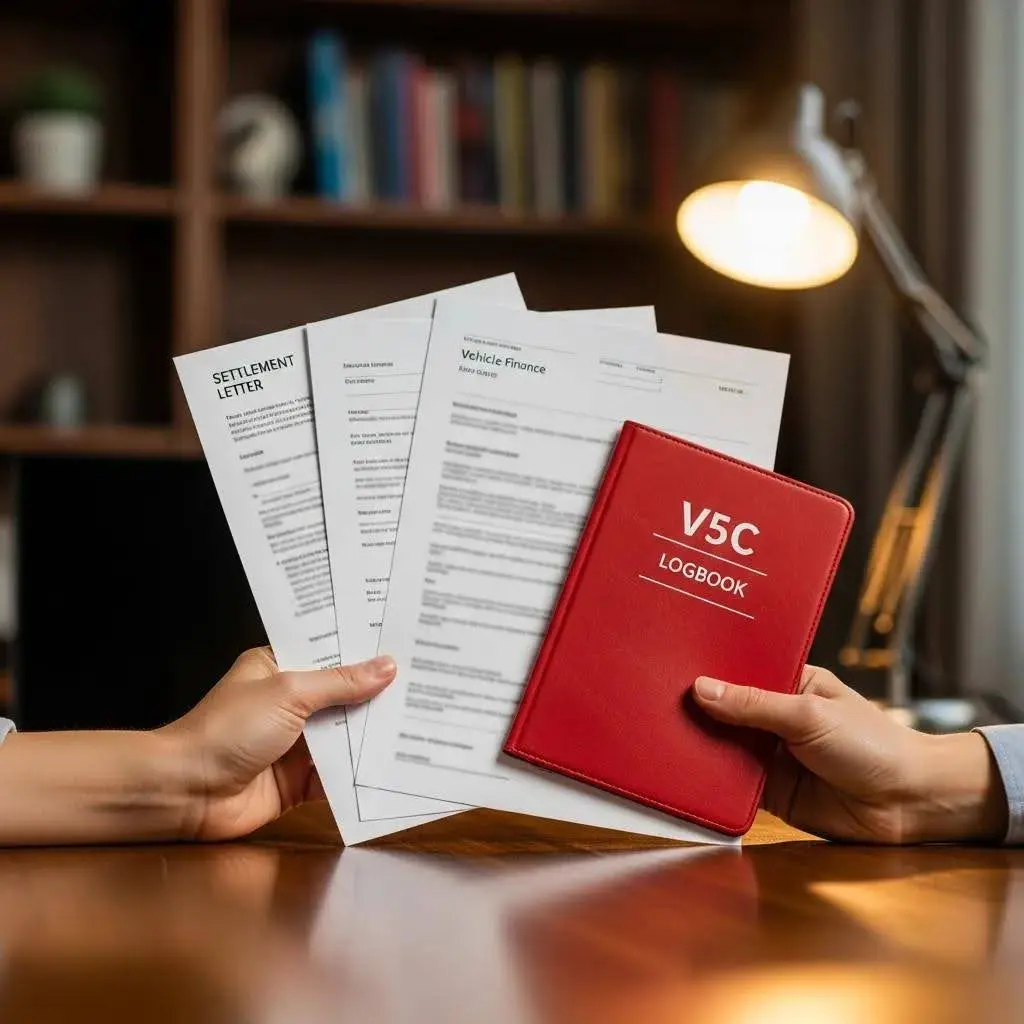
Key documents include the V5C logbook (showing registered keeper details), proof of identity for the seller, the lender’s account reference and the written settlement figure or settlement letter from the finance provider.
Buyers and buyers’ representatives also often ask for service history and MOT records as part of the valuation, but the core paperwork to clear the lender’s security is the settlement confirmation and evidence of payment.
Keep copies of all communications with the lender, any payment receipts, and the completed V5C change-of-keeper section to finalise transfer. Having these documents ready shortens the sale timeline and reassures buyers that the vehicle will be transferred free of encumbrance.
How Does Cash Your Vans Buy Vans with Outstanding Finance?

Cash Your Vans buys vans with outstanding finance by managing the settlement process directly with the lender and handling the paperwork so sellers do not have to coordinate multiple parties.
The service facilitates the sale by obtaining the settlement figure, liaising with the finance provider to arrange payment, and completing ownership transfer documentation at collection. Cash Your Vans explicitly offers an instant quote, free nationwide collection and instant payment (cash or direct bank transfer) which together support a fast, hassle-free sale for owners of financed vans.
They accept vehicles in any condition including damaged or non-runners and provide a straightforward flow from quote to collection that reduces administrative burden for the seller.
| Seller Role | Seller Action Required | What Cash Your Vans Does |
|---|---|---|
| Provide basic van details | Share registration, mileage and settlement figure | Obtain a formal quote, request settlement from the lender and schedule collection |
| Supply settlement letter | Give lender contact and account details | Liaise with the lender, arrange direct settlement of the finance |
| Complete final checks | Sign transfer documents at collection | Pay the seller instantly (cash or direct bank transfer) and handle the V5C transfer |
This table shows the practical division of tasks: the seller supplies essential information and documentation while Cash Your Vans manages lender contact, settlement and payment logistics. That division speeds completion and reduces the amount of coordination required from the seller.
What Is the Step-by-Step Process to Sell Your Financed Van to Cash Your Vans?
Selling to Cash Your Vans typically follows a clear sequence: obtain an instant quote, provide the lender’s settlement figure, agree a final price, and arrange collection where payment is completed.
The service requests basic details (registration, mileage, condition and settlement figure) to produce a firm offer and, once accepted, they liaise with the finance provider to settle the outstanding balance directly.
At collection the company completes the paperwork, pays the seller instantly (cash or direct bank transfer) and moves ownership by completing the V5C transfer process. This approach reduces the seller’s administrative burden and provides a predictable, fast sale timeline.
How Cash Your Vans Handles Finance Settlement and Ownership Transfer
Cash Your Vans works with the lender to obtain the exact settlement figure and arranges payment to clear the finance, after which any surplus funds are passed to the seller in a single transaction.
Cash Your Vans handles the communication and settlement so the seller does not need to make separate lender payments or chase confirmation, and the company’s fast, hassle-free process including paperwork handling ensures the V5C transfer and related documents are completed at collection.
Payment is instant at point of collection, either as cash or a direct bank transfer, and the company accepts vans in any condition including damaged or non-runners so valuation is practical and realistic. This managed settlement and transfer reduces risk and produces a smoother, faster completion than many private sales.
What Happens If Your Van Is Worth Less Than the Outstanding Finance?
When a van’s market value is lower than the outstanding finance balance, this is negative equity (a shortfall) and it requires either covering the difference or negotiating an arrangement with the lender or buyer.
Negative equity means the sale proceeds won’t fully pay the lender, so the seller must decide whether to pay the shortfall from savings, roll the debt into another finance agreement, or agree terms with a specialist buyer who may handle the shortfall differently.
Understanding the arithmetic of negative equity and the practical options helps you choose the least risky route and avoid unexpected liabilities. Below are common options sellers can consider when facing negative equity.
- Pay the shortfall from personal funds to clear the lender and transfer a clean title.
- Roll the shortfall into a new finance agreement with a lender (if available).
- Negotiate a settlement plan with the lender or sell to a specialist buyer who manages the gap.
Each option has trade-offs in affordability, credit implications and convenience, so weigh them against your financial situation and the speed at which you need to sell.
How Negative Equity Affects Selling a Financed Van
Negative equity reduces the amount you can pass to the lender via sale proceeds and often requires an additional payment to clear the account, which can deter private buyers and complicate dealer offers.
For example, if your van is worth £6,000 on the market but your outstanding balance is £8,000, you face a £2,000 shortfall that must be bridged if you want the lender’s charge removed at sale.
Early settlement charges and accrued interest can increase that shortfall, so getting an accurate written settlement figure is essential before negotiating. Knowing the size of the shortfall informs whether to sell to a specialist buyer, pay the gap, or seek alternative finance to refinance the remaining balance.
How Cash Your Vans Helps When You Owe More Than the Van Is Worth
Cash Your Vans can assist by obtaining the lender’s settlement figure and discussing settlement options directly with the lender on the seller’s behalf, offering a transparent valuation and practical ways forward.
Where negative equity exists, the company can explain whether it will settle the finance directly and how any shortfall would be handled or discussed with the seller; their process is designed to be pragmatic for owners needing a fast, managed sale.
Because they accept vehicles in any condition, including damaged or non-runners, sellers may receive a realistic cash offer that minimises further costs related to keeping or advertising a financed van. This kind of managed approach helps sellers understand realistic outcomes and choose the most practical route.
Frequently Asked Questions
This final section answers common questions owners have when selling a financed van and provides direct, actionable guidance to reduce confusion and support quick decisions. Each answer below is short and designed for clarity so you can get the next steps quickly.
Can I Sell a Van with PCP or Hire Purchase Finance?
Yes, you can sell a van with PCP or HP finance, but you usually need to settle the outstanding balance or have the lender’s agreement; PCP often includes a balloon payment, which can make early sale more complex.
Contact your lender for a written settlement figure and confirm whether the buyer can pay the lender directly or if the lender requires the registered keeper to authorise payment.
Specialist buyers or brokers often buy vans with PCP or HP and will liaise with the lender to settle the account on completion. Providing accurate settlement documentation to any prospective buyer speeds the process and avoids legal complications.
Can a Dealer Buy My Van with Outstanding Finance?
Some dealers will buy a van with outstanding finance, typically by settling the lender’s account as part of the trade-in or purchase process, but many require proof of settlement or lender consent first.
Dealers may factor any shortfall into the trade-in valuation or offer to structure finance to cover negative equity, though this depends on the dealer’s policies.
Specialist buying services can be more straightforward for quick sales because they often manage lender settlement and paperwork directly and can accept vans in any condition. Always ask how the dealer intends to handle the lender settlement and request written confirmation when the finance is cleared.
What Happens If I Sell a Van Without Settling the Finance?
Selling a van without settling the finance is risky: the lender may still have the legal right to repossess the vehicle, and the buyer may inherit an encumbered asset or face legal action. This situation can lead to repossession, disputes over title, and potential liability for the original seller if the buyer resells the van unaware of the encumbrance.
If you discover a sale completed without settlement, contact the lender immediately, supply all sale documentation and seek legal or specialist advice to resolve the charge. The safest route is always to obtain written settlement confirmation and complete the V5C transfer only after the lender’s interest is released.