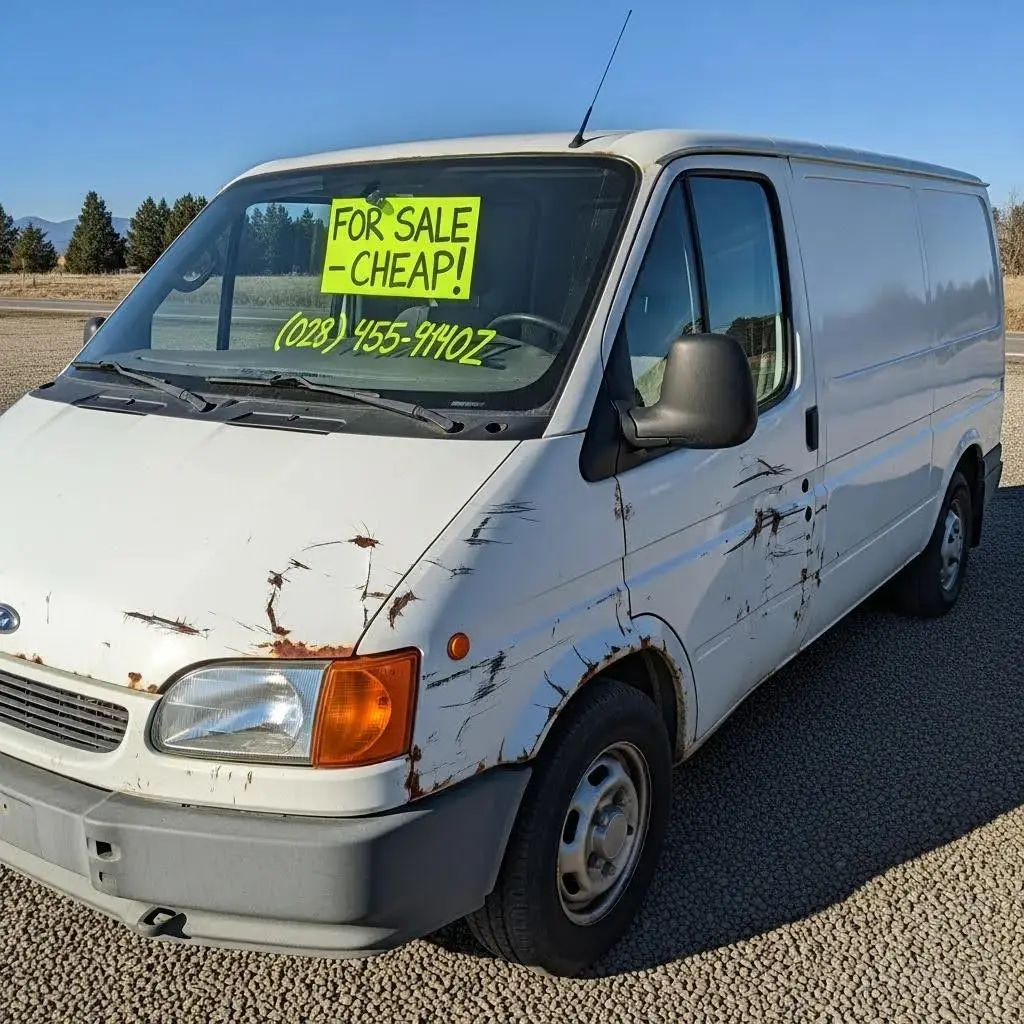
Yes, you can sell a van with bodywork damage. Specialist buyers and nationwide services often buy vans in most conditions: dents, scratches, rust, panel damage, failed MOTs, or non-runners.
They offer a practical, fast route to turn a damaged vehicle into cash without costly repairs or long private-sale delays. This page explains who buys damaged vans in the UK, what types of bodywork issues are accepted, the easy selling process, and whether it’s worth repairing before you sell.
You’ll learn how cosmetic and structural damage affect valuation, what details buyers need for a quick quote, and a simple rule of thumb to decide whether to repair or sell as-is. You’ll also find clear lists, comparison tables, and a three-step workflow built for sellers who want speed and certainty.
Who Buys Vans with Bodywork Damage in the UK?
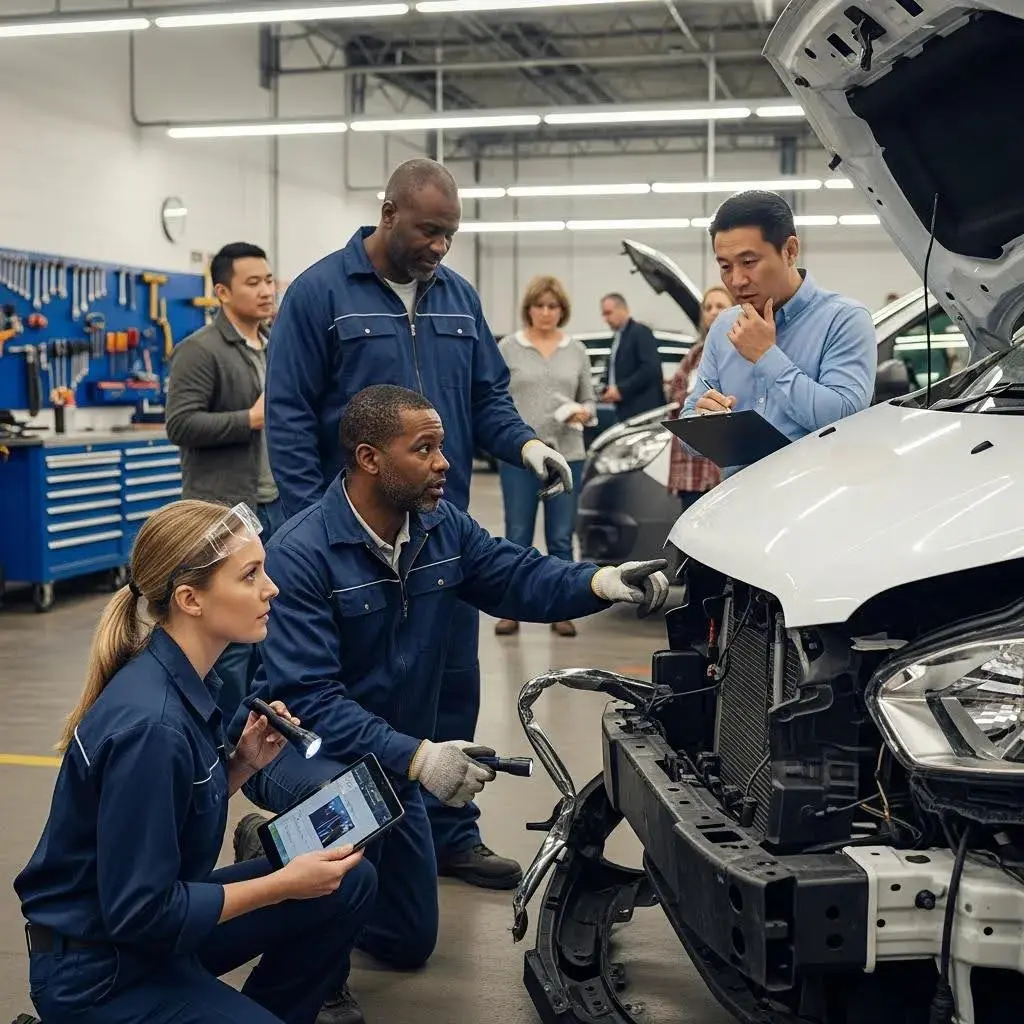
The market for damaged vans breaks down into specialist buyers, scrapyards and breakers, trade buyers, and national instant-buy services. Each buyer type values different things and offers different levels of convenience.
Specialist buyers look for repairable vehicles or parts, scrapyards pay for salvageable metal and components, trade buyers take fleet or replacement vans with visible wear, and national instant services buy at scale and handle collection and paperwork.
Knowing these options helps you choose the best balance of price and convenience. Below is a quick summary of what to expect from each type.
- Specialist damaged-vehicle buyers typically offer stronger prices for repairable vans and handle paperwork.
- Scrapyards and breakers: accept severely damaged or non-running vans for salvage value and quick removal.
- Trade buyers: buy fleet or replacement vehicles, often tolerating cosmetic wear.
- National instant-buy services: focus on speed with quick online quotes, collection, and fast payment.
Next, we outline which companies specialise in damaged-van purchases and the services they provide.
Companies Specialising in Buying Damaged Vans
Specialist damaged-vehicle buyers are firms that regularly buy commercial vehicles in mixed condition and offer valuation, collection, and paperwork help. They value vans based on parts demand and repairability, then provide a clear offer or same-day bank transfers on collection.
Many also help with ownership transfer paperwork and arrange often-free collection, which makes the sale straightforward for you. These features often make specialist buyers a strong option for vans with bodywork damage, especially if you want less hassle.
Cash Your Vans Makes Selling Damaged Vehicles Simple
Cash Your Vans buys vans, trucks, and motorhomes in a wide range of conditions and reduces admin with three clear benefits: instant online quotes, free nationwide collection, and immediate payment.
We accept vehicles with body damage, failed MOTs, or non-runner status, so you don’t have to pay for repairs or wait for a private buyer. A fast online valuation plus organised collection and payment turns a damaged vehicle into money in your account quickly and securely, ideal if you value speed and certainty.
What Types of Bodywork Issues Can You Sell?
You can sell vans with a wide range of bodywork issues, from small cosmetic faults to large structural damage. Acceptance and price depend on severity and repairability: dents, scratches, and surface rust lower value modestly and are usually acceptable to specialists, while accident or frame damage affects safety and market value more and can be treated as a write-off.
Knowing these categories helps you describe the van accurately when you ask for a quote, which improves quote accuracy and collection planning.
Knowing the difference between cosmetic and structural damage is key when assessing a vehicle’s condition.
Below are the most common damage types sellers see.
- Cosmetic damage: small dents, light scratches, and surface rust that generally need minor work.
- Panel and localised damage: larger dents, misaligned panels, or damaged doors that may require replacement panels.
- MOT-related issues and non-running status: mechanical or electrical faults affecting roadworthiness.
- MOT-related issues and non-runner status: mechanical or electrical faults affecting roadworthiness.
Before you compare repair costs, this short table sets realistic expectations for how different damage types affect offers.
Different damage types have predictable repair implications and influence buyer offers.
| Damage Type | Typical Severity / Repair Implication | Buyer Expectation |
|---|---|---|
| Dents & Scratches | Low to moderate, cosmetic respray or filler | Small drop in price; commonly accepted by specialists |
| Rust & Corrosion | Moderate, may need panel work or localised repair | Price reduction varies with the extent and location |
| Panel Damage (doors/wings) | Moderate, panel replacement or alignment | Usually acceptable if repairable; reduces private-sale appeal |
| Structural / Frame Damage | High, safety-sensitive, and costly repairs | Often treated as a write-off, offers can fall significantly |
This quick guide helps you present the van honestly when requesting an instant quote and shows what to expect from each buyer type.
How Does the Selling Process Work for Vans with Bodywork Issues?
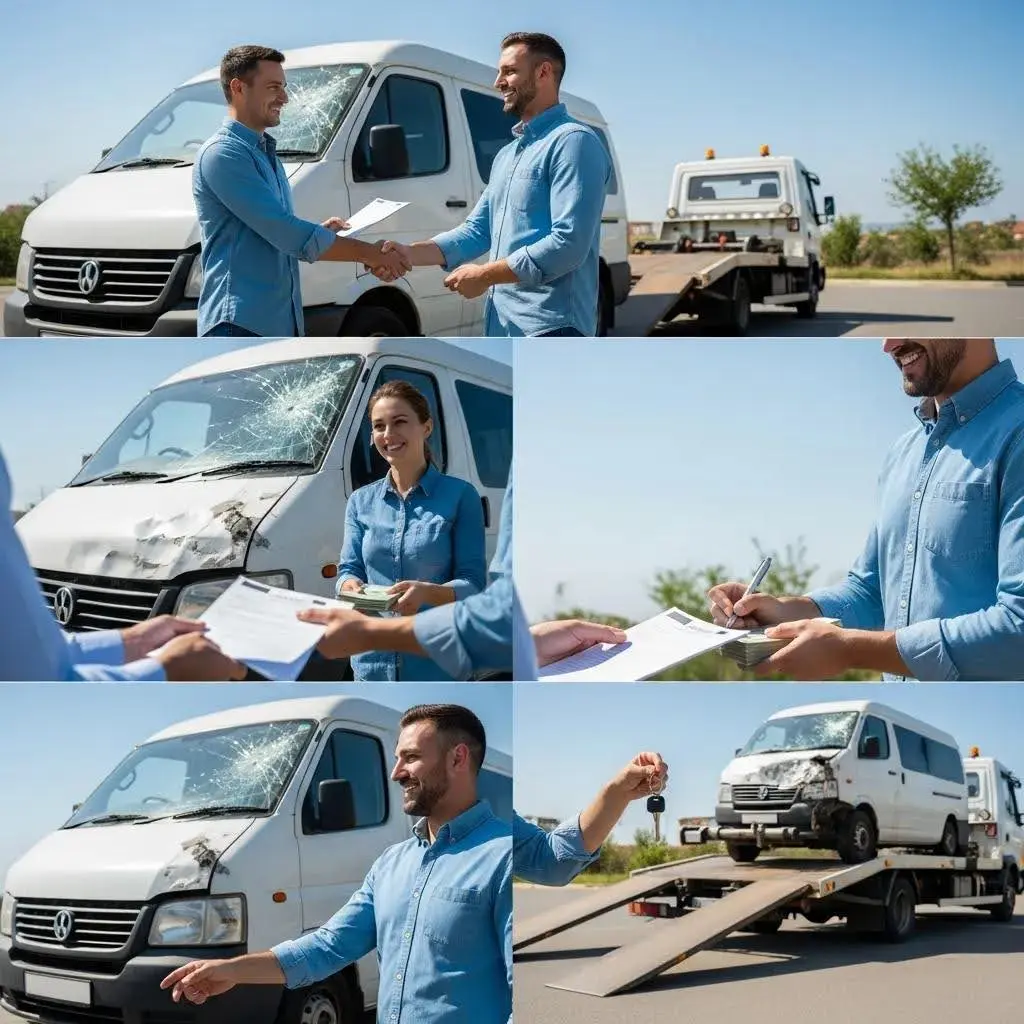
Selling a damaged van usually follows a simple three-step process focused on speed, clear valuation, and convenient collection and payment.
Buyers ask for the registration, condition details, and photos to give an instant online quote; if you accept, they arrange free collection and pay on handover, often by immediate bank transfer (and sometimes cash).
Prepare the V5 and ID to complete the transfer; the buyer handles the rest. This streamlined approach is why many sellers choose specialist or national instant buyers when they need a fast, reliable sale.
- Enter basic details (registration, mileage, condition, photos) to get an instant quote.
- Accept the offer, book a free nationwide collection, and confirm the paperwork required.
- Receive payment on collection and hand over ownership documents to complete the sale.
These steps keep the sale quick and clear for sellers who want a low-stress outcome. Below are the details buyers need for an accurate quote.
Steps to Get an Instant Quote and Free Collection
To get a dependable instant quote, provide the vehicle registration, current mileage, clear photos showing bodywork issues, and an honest note of any mechanical faults or MOT status. Buyers use this to give an indicative offer that’s usually confirmed at collection after a quick check.
They’ll explain collection logistics and paperwork on acceptance, typically the V5 transfer, and a receipt or sale agreement. Good photos and accurate information improve offer accuracy and speed up collection.
Quick, accurate information helps avoid re-quotes and keeps the collection smooth.
Instant Payment for Damaged Vans
Payment is usually made as an immediate bank transfer at handover (and sometimes cash on collection), depending on the buyer’s policy and your preference. Before handing over keys and documents, check the buyer’s ID and confirm the funds have arrived.
You should receive a written receipt or sale confirmation that records the transaction and any terms. Immediate payment reduces the risk of buyer default and gives you funds straight away to cover repairs, storage, or replacement vehicles.
Is It Worth Repairing Bodywork Before Selling?
Usually not, repairing bodywork before a sale rarely pays off for the most common issues because repair costs often exceed the extra you’ll get on resale, especially for older or high-mileage vans.
Whether to repair depends on the repair cost, expected uplift, and your sales route: private buyers might pay more for a cosmetically tidy van, but specialist and instant buyers value convenience and often give better net results once you factor in repair costs.
Compare repair estimates with likely sale price increases to decide. The short list below shows when repair can make sense.
- Minor cosmetic fixes (small dents/scratches): low cost but often not fully recovered at resale.
- Panel repairs or resprays: higher cost; sometimes worthwhile for newer vans, but limited return on older ones.
- Structural repairs: expensive and rarely economical unless the van is of high value or essential for business.
When repair costs approach or exceed the expected uplift, selling as‑is to a specialist or an instant buyer is generally the quicker, more economical option.
This table compares common repair options, conservative cost estimates, and typical selling outcomes to help you decide.
| Repair Option | Estimated Cost / Time | Typical Selling Outcome |
|---|---|---|
| Small dent/scratch repair | £100–£400; 1–2 days | Minor uplift; often not fully recovered in the sale price |
| Panel replacement/respray | £400–£1,500; 3–7 days | Moderate uplift for newer vans; limited return for older vans |
| Structural/frame repairs | £1,000–£4,000+; 1–4 weeks | High cost; usually uneconomical unless the van has high value |
Use these tips as practical thresholds: if repair costs are close to the expected uplift, selling as-is is usually the faster, more cost-effective choice. If you want a quick sale, get an instant quote online, arrange free nationwide collection, and take immediate payment.
Frequently Asked Questions
Can I Sell My Van If It Has Mechanical Issues and Bodywork Damage?
Yes. Many buyers, especially specialists and national instant-buy services, will buy vans that aren’t roadworthy. Be honest about mechanical faults when you request a quote, as it affects the offer and helps avoid surprises on collection day.
How Should I Prepare My Van To Get The Strongest Offer?
Make the van tidy and presentable, inside and out. Take clear, well-lit photos that show the damage and key details, and gather paperwork like the V5 logbook and service history. Accurate information builds buyer confidence and speeds up quoting and collection.
What Should I Do If I Get Multiple Offers For My Damaged Van?
Compare offers not just by price but by terms: collection timing, payment method, and buyer reputation. A slightly lower but reliable offer with quick collection can be better than a higher offer with uncertain terms. Always verify the buyer before agreeing.
Are There Any Fees When Selling My Damaged Van?
Most reputable buyers, especially national instant-buy services, don’t charge fees and cover collection costs. Still, read the terms and conditions carefully; some buyers may have exceptions or conditions that affect your payout. Clarify any fees before you accept an offer.