Selling or scrapping your van shouldn’t be complicated. Get an instant online quote, book a free nationwide collection, and receive payment at handover. This guide walks you through selling or scrapping a van, truck, or motorhome anywhere in the UK, from instant
valuations and collection logistics to options for damaged or non-running vehicles, the legal steps for scrapping, and what to expect at payment.
It covers paperwork, MOT issues, and vehicle condition so you can prepare, secure a fair price, and complete a lawful disposal with confidence, including a simple 3-step selling process, the role of Authorised Treatment Facilities, and the payment methods used, with practical checklists and concise action points to move you smoothly from quote to collection.
How Can I Sell My Van Quickly And Easily In The UK?
The quickest route is to request an instant online valuation, agree on a convenient collection slot, and receive secure payment at handover. The process is straightforward: an online form collects key details, then produces a no-obligation valuation based on make, model, age, mileage, and condition so you can decide fast.
An instant quote cuts negotiation time and lets you compare options before committing, and free nationwide collection removes the need to sort transport. Below is the simple three-step process that most quick-sale services use to keep the sale predictable and fast.
- Enter basic vehicle details and an honest description of its condition to get an instant, no-obligation quote online.
- Confirm a collection time and prepare the paperwork for handover.
- Hand over the vehicle and receive payment by bank transfer or cheque at collection.
These three steps remove common friction and set clear expectations for timing, making it easier to get the vehicle and paperwork ready for a smooth sale.
The Instant Van Quote Process
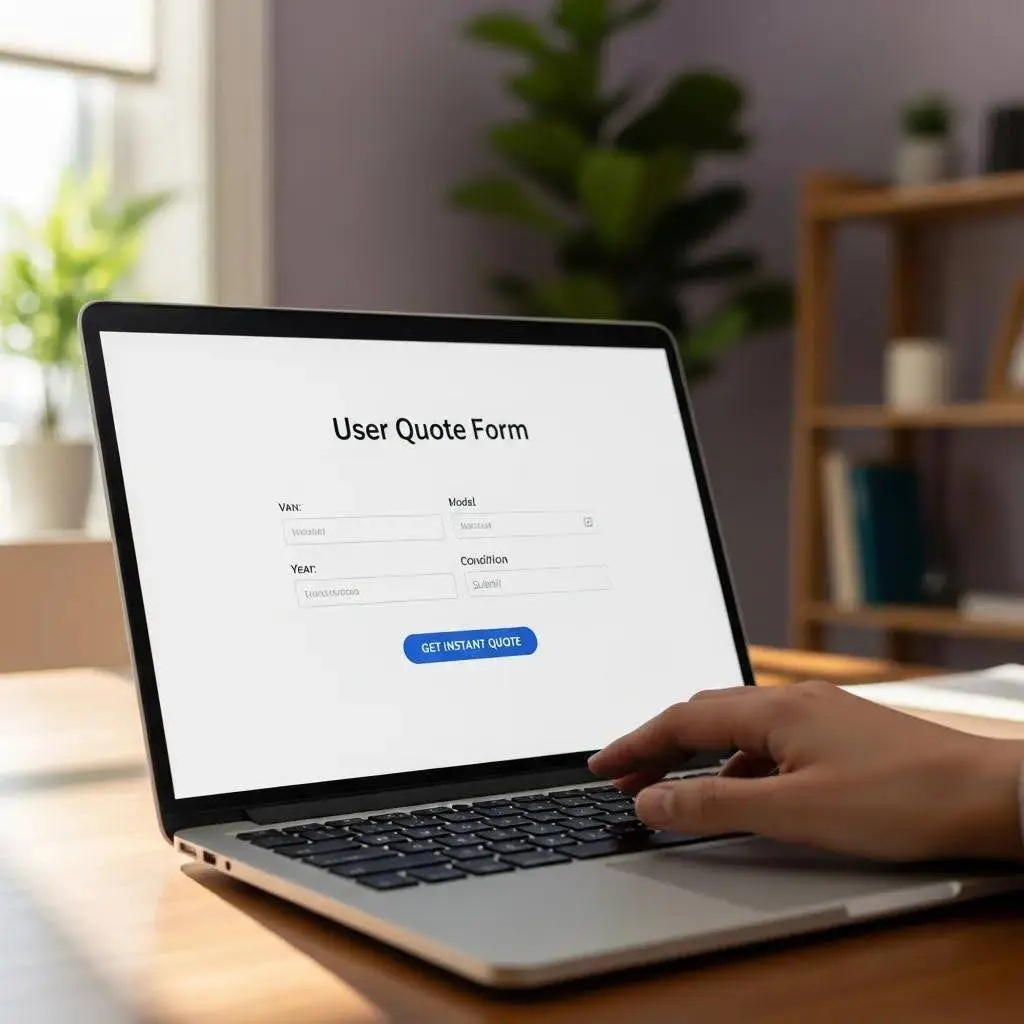
An instant van quote asks for the registration, make, model, mileage, and a short description of condition, then produces a rapid valuation using market and salvage factors.
The system balances vehicle desirability against likely repair costs, parts value, and salvage potential to give a clear, no-obligation price you can accept or decline.
Quotes appear quickly, often within minutes, and, after you accept, a follow-up call or message confirms collection details, usually within 24–48 hours. Knowing which details affect price helps you give accurate information and improves the reliability of the valuation.
Free Nationwide Collection
Free nationwide collection means the buyer arranges transport across the UK at no cost to you, using a recovery method suited to the vehicle’s condition. Collections are booked for a mutually convenient time, and the driver will expect ID and proof of ownership, such as the V5, at handover.
For non-runners, the buyer brings a winch or flatbed; choosing an accessible collection point helps avoid delays. Preparing the vehicle and paperwork before the driver arrives speeds up handover and payment on the spot.
| Step | Action | Selle Expectations r / Required Information |
|---|---|---|
| 1 | Request an instant online quote | Registration, make/model, mileage, and condition summary. |
| 2 | Confirm the collection slot | Agree on the collection date, time, and location details. |
| 3 | Handover and Payment | Provide ID, the V5 (if available), and sign the transfer of ownership |
What Are My Options For Selling A Damaged Or Non-Runner Van?
Damaged or non-running vans still have value through salvage, parts resale, or lawful scrapping. Many buyers accept vehicles in poor condition. Your main options are selling for parts (if useful components remain), selling as repairable salvage, or scrapping at an Authorised Treatment Facility for recycling.
Each route affects likely price, collection method, and paperwork, so the right choice depends on repair costs versus salvage value and how quickly you need the vehicle removed. The comparison below shows common condition types and typical outcomes to help you decide.
Different condition types influence sale options and expected returns:
| Condition Type | Typical Outcome | Expected Value / Notes |
|---|---|---|
| MOT Failure | Sale as non-runner or repairable salvage | Lower value due to likely repair costs |
| Engine Fault / Non-Runner | Sale for salvage/parts or recovery to an ATF. | Value depends on the remaining usable components |
| Body Damage | Parts sale or repairable salvage | Panels and interior parts retain value |
| Written Off | Scrapped at an ATF or sold for parts | Often offers the lowest market value but provides the quickest disposal |
This comparison helps you choose whether to sell for parts, salvage, repair, or legal scrappage, depending on what best matches your priorities for time and return.
Selling A Van That Has Failed Its MOT
Yes, vans that have failed their MOT are commonly bought as non-runners, salvage, or scrap, but the valuation usually reflects the likely repair bill. A failed MOT reduces market value because buyers factor in remedial work; disclosing MOT status and defects upfront prevents last-minute renegotiation at collection.
Share details of failure items and be prepared for a lower offer if major systems need repair; minor faults tend to have less impact. Being transparent about MOT condition speeds the process and lets the buyer organise recovery or repairs.
Selling A Van With Body Damage Or Mechanical Issues
When selling a van with body damage or mechanical faults, clear photos and honest descriptions help buyers assess value. Take multiple images from different angles and add a brief description of each issue. This helps buyers spot reusable parts or judge repair feasibility and can improve offers.
Buyers will arrange the appropriate recovery (winch or flatbed) and adjust the price to reflect repair costs; agreeing to these terms in writing avoids surprises at collection. A short damage log and any service receipts usually lead to a faster, fairer sale.
How Do I Legally Scrap My Van In The UK?

To scrap a van legally, you must transfer it to an Authorised Treatment Facility (ATF) and follow the rules on ownership transfer and destruction documentation. The main legal steps are:
transfer ownership correctly, ensure the vehicle is processed at an ATF that can issue a DVLA Certificate of Destruction when appropriate, and accept permitted payment methods rather than cash.
Using an authorised route prevents environmental harm, ensures hazardous materials are de-polluted, and creates the paperwork trail regulators expect. The checklist below summarises the legal steps to scrap responsibly.
- Complete and document the transfer of ownership before the vehicle is scrapped.
- Use an Authorised Treatment Facility (ATF) for de-pollution and processing.
- Obtain the DVLA Certificate of Destruction (CoD) if the vehicle is permanently destroyed.
Following these steps protects you legally and ensures hazardous fluids and parts are handled appropriately for the environment.
The Scrap Metal Dealers Act 2013: What It Means For You
The Scrap Metal Dealers Act 2013 changed how scrap metal purchases are paid and recorded; cash payments for scrap metal are prohibited to improve traceability and reduce illegal activity.
For sellers, that means legitimate scrap transactions use bank transfer or cheque and are logged, creating an audit trail and legal protection. Be wary of anyone offering cash for scrap; this is non-compliant. Expect genuine buyers to explain the payment method and provide documentation during transfer to an ATF.
Using Authorised Treatment Facilities For Van Disposal
Authorised Treatment Facilities handle de-pollution, parts recovery, and environmentally safe recycling, and they issue the DVLA Certificate of Destruction when a vehicle is permanently scrapped.
ATFs follow regulated processes to remove hazardous fluids, recycle metals, and salvage usable components safely, protecting the environment and shielding sellers from future liability.
Choosing an ATF-backed disposal route ensures legal compliance and provides the paperwork needed for DVLA records. It’s the responsible way to dispose of an end-of-life vehicle
What Payment Methods And Timelines Can I Expect When Selling My Van?
You should expect payment by bank transfer or cheque at collection. Bank transfers are often instant at handover, and cheques are used in certain cases. Cash payments for scrap are not allowed because of legal limits.
Timelines are usually quick: once collection is booked, payment is completed at handover, so you leave with no outstanding obligations. Reputable buyers don’t apply hidden fees; any legitimate adjustments for undisclosed damage should be agreed in writing.
The table below sets out typical payment methods and timelines, so you know what to expect.
| Payment Method | Typical Timeline | Notes |
|---|---|---|
| Bank Transfer | Instant at collection | The seller receives confirmation and a receipt |
| Cheque | Provided at the collection | May require bank clearance time |
| No Cash Payments | N/A | Cash payments for scrap metal are prohibited by law |
Instant Payment Via Bank Transfer Or Cheque
Instant bank transfers are usually made at collections using mobile banking, with the driver providing confirmation and a written receipt so you can verify funds before handing over the keys. If a cheque is used, get written acknowledgement and be aware of clearance times; check the cheque if you’re unsure.
Always obtain written proof of transfer and a signed handover form to avoid disputes. Clear documentation at collection protects both parties and completes the transaction.
Hidden Fees When Selling Your Van
Legitimate buyers typically don’t add hidden fees; offers reflect the agreed valuation, and any lawful post-inspection adjustments should be documented and mutually accepted before collection.
Deductions usually relate to undisclosed damage or large discrepancies from the description; these must be agreed and recorded rather than presented as surprise charges.
Ask for written confirmation of the final offer and any adjustments to avoid misunderstandings and keep the sale transparent.
If you’re ready to move quickly, Cash Your Vans offers instant online valuations, free nationwide collection, and fast payment at collection as part of a simple three-step process, requesting an instant quote with your vehicle details to get started.
Frequently Asked Questions
What Documents Do I Need To Prepare For Selling My Van?
Have the V5C registration document ready, plus any service history or repair receipts that could increase the value. If the van failed its MOT, note the failure items. You’ll also need proof of identity, such as a driving licence or passport, for the handover. Having these documents organised speeds up the sale and avoids delays.
Can I Sell My Van If I Still Owe Money On It?
Yes, you can sell a van with outstanding finance, but the finance must be settled first. Contact your finance provider for a settlement figure. Once the balance is paid, you’ll receive the necessary documents to transfer ownership. Selling before settling the finance can complicate the sale because the lender may still have a claim on the vehicle.
What Happens If My Van Is Stolen Or Written Off?
If your van is stolen or written off, report it to the police and your insurer straight away. For stolen vehicles, your insurance may cover the loss depending on your policy. If it’s written off, your insurer will assess the vehicle and offer a payout based on its pre-incident market value. Keep all relevant paperwork ready to help the claims process run smoothly.
How Can I Ensure I Get A Fair Price For My Van?
Start by checking its market value with online tools and be honest about the condition. Provide clear photos and detailed descriptions, and highlight recent repairs or upgrades. Getting multiple quotes from different buyers helps you compare offers. Transparency about the van’s history builds trust and usually results in a fairer price.