Every van owner eventually asks: keep fixing it or cash it out? Today, this guide walks you through five clear signs that selling is the smarter move, financially and operationally. We explain how age, mileage, repair frequency, and market demand cut resale value so you can decide whether to invest in repairs or sell while you still get a fair price.
You’ll find simple thresholds to apply, a decision checklist for business owners, and practical next steps for listing or disposing of an older van. The tips apply to cargo, passenger, and service vans and show how buyers judge age, condition, and maintenance history.
Common Signs Your Van Is Losing Value

Depreciation is the loss in value of a van over time. Age, miles, condition, and outdated tech all lower what a buyer will pay. Buyers price in how much life and maintenance remain, so spotting visible and mechanical warning signs helps you avoid throwing good money after bad. Below are the easy-to-spot cues that mean your van may be losing value faster than it should.
Studies show that maintenance and repair choices can affect a commercial van’s resale value.
Most owners notice these five common depreciation signals:
- Advanced age with no recent major service: Older vans that haven’t had significant recent services usually need parts that are harder and more expensive to source.
- High cumulative mileage: Very high odometer readings make buyers assume major upcoming work and reduce their offers.
- Frequent, recurring repairs: Repeat problems tell buyers the vehicle isn’t reliable, so they lower their offers.
- Visible bodywork damage and rust: Corrosion or structural issues point to costly fixes and safety concerns.
- Outdated features or poor interior condition: Missing safety features or a worn interior make the van less attractive to most buyers.
These signs add up. If you find several at once, expect a sharper drop in value and a stronger case for selling instead of repairing.
How Van Age Shapes Resale Value
Age matters because each year raises the chance of part failure and removes warranty coverage. Older vans often cost more to keep running: parts can be scarce, labor takes longer, and buyers factor all that into offers. A simple rule of thumb: light commercial vans usually lose the most value in the first three to five years, then decline more steadily.
Past typical service life, buyers apply bigger discounts. Knowing how age, warranty status, and parts availability intersect helps you decide if holding on will cost you more in the long run.
High Mileage And What It Really Means
Mileage is a quick way for buyers to judge wear. High miles suggest imminent major services, timing belts, transmissions, or engine work, so offers come down, and some buyers back away. A complete, clean service history can offset some concerns: documented preventive maintenance often recovers value that raw miles alone would reduce.
Remember to compare your odometer to what’s normal for your van’s class; daily-use service vans are judged differently than weekend family vans.
When Repair Bills Mean It’s Time To Sell
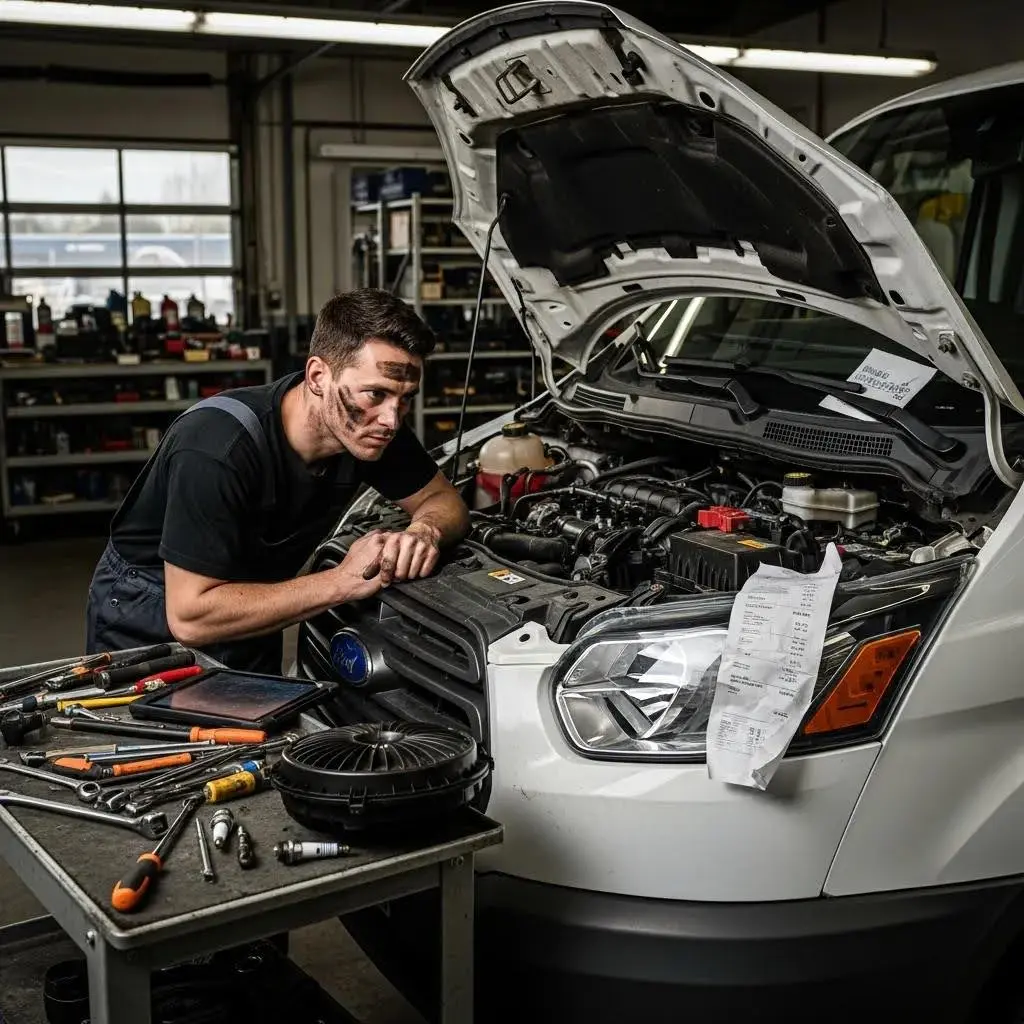
It’s time to sell when repair costs, frequency, or downtime outweigh the van’s value and usefulness, in short, when repairs cost more than the benefit of keeping the vehicle. Compare a solid repair estimate to a realistic resale estimate, and include lost work time in your math. The simple indicators below help you decide quickly.
Research also explores the wider economic and environmental trade-offs between repairing and replacing vehicles.
Use these thresholds to trigger a sale:
- When repair costs regularly exceed about 50% of the van’s market value.
- Several major repairs are needed in a short period (for example, multiple major components in the same year).
- Repair-related downtime causes measurable business losses or missed appointments.
Those simple rules help you act fast. Below is a compact look at common high-cost repairs and how they affect resale value.
| Repair Type | Typical Cost Range | Impact on Resale |
|---|---|---|
| Engine rebuild or replacement | $3,000–$8,000 | High, major reliability concern |
| Transmission overhaul | $2,500–$6,000 | High, many buyers avoid transmission work |
| Rusted body panels / structural repair | $1,000–$5,000+ | Medium, High, affects safety and appearance |
| Major electrical system faults | $800–$3,000 | Medium, reduces buyer confidence |
| Turbo or major fuel system work | $1,200–$4,000 | Medium, impacts performance and efficiency |
Use this table to compare repair quotes with your van’s likely selling price and decide whether to fix or sell.
A quick note for trade owners: if your business relies on specialized equipment, keeping uptime might justify some repairs. But sometimes replacing the van is the cheaper way to keep jobs moving. Factor both repair costs and lost working time into your decision.
Most Costly Repairs On Older Vans
Older vans commonly face expensive failures in engines, transmissions, major electrical systems, and corrosion-damaged structures. These jobs need special labor and parts, which drives up the price.
Watch for signs like persistent fluid leaks, slipping gears, or intermittent electrical problems. Early fixes save money, but repeated symptoms often point to deeper failures. Different van uses change the risk:
Cargo vans that haul heavy loads stress drivetrains, while passenger vans often show interior and HVAC wear. Spotting patterns early helps you weigh repair costs against market value and fleet needs.
Comparing Repair Costs Vs. Resale Value
Compare costs in three clear steps: get repair estimates, find a realistic resale value, and apply a financial rule to guide your choice. This gives you a simple, defensible decision.
- Get at least two repair quotes so you don’t overpay.
- Research comparable sales or trade-in values to estimate what you’d get on the market.
- Use a rule like “repair if cost < 30% of value; sell if cost > 50% of value,” and adjust for the downtime impact.
Follow those steps to produce a straightforward calculation and a written reason for repairing short-term or selling to avoid mounting losses.
When To Replace A Commercial Vehicle
Replacing a commercial vehicle is a balance of money, uptime, tax strategy, and long-term planning. Consider replacing when the sum of repair bills, lost time, and fuel inefficiency is higher than the cost of a newer vehicle.
Replacement also makes sense if your business needs have changed, a different capacity, better fuel economy, or modern safety features. The checklist below helps you weigh cash flow against reliable operations.
A total cost of ownership analysis helps fleet managers and small businesses understand the long-term cost picture
Use this checklist when considering replacement:
- Calculate total cost of ownership: Add expected repairs, fuel, insurance, and downtime for the next 12 months.
- Compare to replacement ROI: Estimate purchase or lease cost, financing, and the maintenance savings from a newer van.
- Assess operational impact: Decide if reliability problems are costing you revenue or customers.
These steps turn gut feel into numbers and priorities. For mobile trades that can’t miss appointments, coordinating vehicle replacement with equipment servicing keeps work flowing. Plan vehicle changes alongside equipment maintenance so you can protect customer commitments during any transition.
Financial Upsides Of Selling An Old Van
Selling an old van frees up cash, cuts recurring repair and fuel costs, and makes maintenance simpler, improving cash flow and predictability. Short-term, you get a one-off payment; long-term, you lower unexpected downtime and shrink parts inventories.
For example, if expected repair and downtime costs exceed payments for a newer van, replacing it can be the smarter financial move. Balance immediate proceeds with ongoing savings to decide whether selling now improves your business position.
Lifestyle And Business Changes That Affect The Decision
Non-financial reasons often lead to a sale: shifting from deliveries to on-site work, converting a van into a camper, or needing fewer vehicles for family reasons. Think through likely routes, payload needs, and how long you plan to keep a new vehicle.
A trade owner expanding services may need a larger van and should sell for an upgrade. A family converting a van might prioritize interior condition over low mileage. Align the vehicle choice with your plans.
Which Factors Most Affect Resale Value?
Resale value comes down to market demand, condition, documented service history, seasonality, and local buyer preferences. Demand varies by area and van type; cargo vans tend to be in higher demand in cities, while passenger vans sell better where families or shuttles are common.
Present the van clean, with recent maintenance records, and fix small, high-return issues to recoup more than the repair cost. Below is a short summary of what buyers care about and what you can do to help.
| Factor | What It Means for Buyers | Practical Tip |
|---|---|---|
| Age & Mileage | Predicts remaining useful life | Show full service records and highlight recent major servicing |
| Condition (mechanical & cosmetic) | Signals future ownership cost | Fix safety items, clean thoroughly, and remove odors |
| Market Demand | Local buyer interest and competition | Check local listings and price based on recent comparable sales |
| Service History | Proof of preventive care | Gather receipts and digital logs to show consistent maintenance |
These are the levers sellers can use to protect or improve offers, combining good documentation with a few targeted fixes for the best return.
How Market Demand Affects Selling Price
Local demand determines whether buyers compete for your van, and that affects both price and time on market. Demand changes with the economy, seasons, and local industry trends.
Quick steps to check demand:
- Watch local classifieds for similar vans
- Note recent sold prices, not just asking prices
- List when the demand for your van type is strongest
For example, service vans often sell faster and for more when contractors are hiring, or rental fleets are tight. Timing your listing can improve your return.
Vehicle Condition And Why It Matters Most
Condition, mechanical, body, and interior are the clearest signals of future ownership cost. Small safety and mechanical fixes (brakes, alignment, warning lights) and a professional clean usually give better returns than cosmetic-only work.
Showing a clear service history and fixing safety items first builds buyer trust and reduces negotiation room. Getting the van ready before you list shortens time on market and strengthens your bargaining position.
Frequently Asked Questions
What Should I Consider Before Selling My Van?
Before selling, check the van’s overall condition, maintenance history, and current local demand. Think about age, mileage, recent repairs, and whether selling fits your financial and operational goals. If the van needs frequent fixes or has lost a lot of value, selling may be the right move. Research local listings so you can time the sale to get the best return.
How Can I Improve My Van’s Resale Value?
Address mechanical issues, keep up with routine maintenance, and get a good interior and exterior clean. Provide full service records and repair receipts; buyers pay more for documented care. Minor cosmetic fixes and safety repairs usually return more than they cost.
Is It Better To Sell My Van Privately Or Trade It In?
Selling privately usually brings a higher price but takes more time and effort. Trading in is faster and easier, especially if you’re buying another vehicle, but dealers typically offer less. Choose based on how much time you have and whether you prefer convenience over maximum return.
What Documents Do I Need To Sell My Van?
Gather proof of ownership, a bill of sale, maintenance records, inspection reports, and any warranty paperwork. If the van has a loan, have payoff details ready. Clear documentation speeds up the sale and gives buyers confidence.