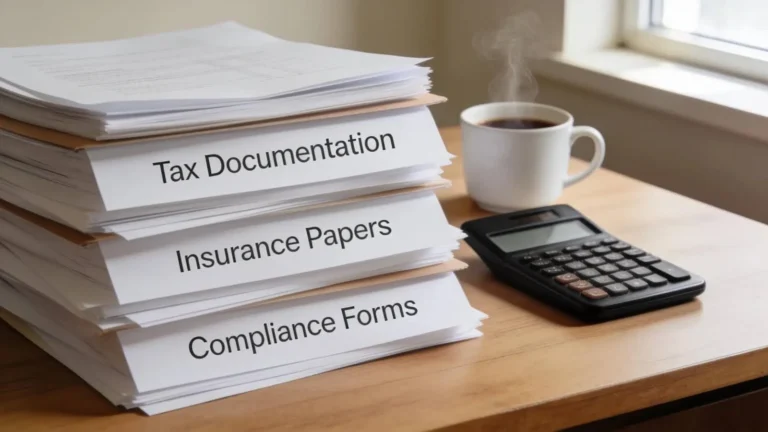
UK legal and administrative requirements for commercial vehicles can feel complex. One missed MOT or tax renewal can mean a fine or operational delays. It does not matter whether you own a single van or a small fleet.
Today, this guide draws on our expertise to walk you through everything you need to know, from MOT requirements and road tax to insurance, registration, and the legal process for selling your commercial vehicle.
MOT Requirements You Must Meet For Commercial Vehicles
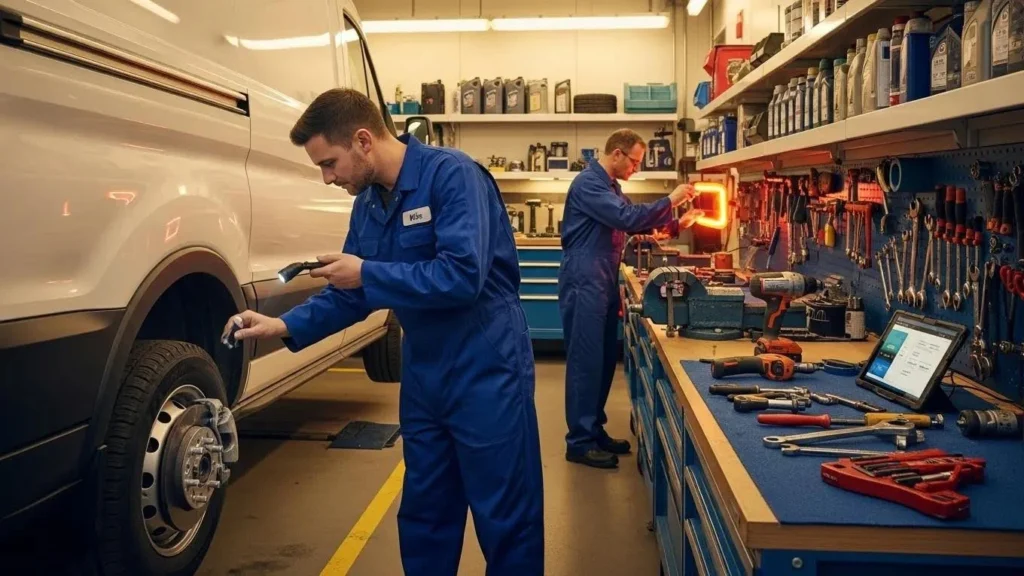
The MOT test is one of the most important legal obligations for commercial vehicles in the UK. Administered under the Ministry of Transport framework, the test ensures your vehicle meets the minimum safety and environmental standards required for use on public roads.
When Does Your Van Need Its First MOT
For most vans and light commercial vehicles, the MOT becomes compulsory on the third anniversary of first registration. After that, the test must be passed annually without exception. Some heavier commercial vehicles are subject to different testing schedules and may require annual tests from an earlier point.
If you are unsure which category your vehicle falls into, check with the DVSA (Driver and Vehicle Standards Agency) or the vehicle manufacturer.
What an MOT Test Cover
The MOT inspection covers a wide range of safety and roadworthiness checks, including:
- Brakes and brake performance
- Lights, including headlights, indicators, and brake lights
- Steering and suspension components
- Tyres, including tread depth and condition
- Exhaust emissions
- Windscreen condition and wiper operation
- Horn function
- Seatbelts and mirrors.
Passing all these checks results in an MOT certificate, which is your proof of roadworthiness. Without a valid certificate, your commercial vehicle cannot legally be driven on a public road, and your insurance may be invalidated in the event of an accident.
Penalties for Driving Without a Valid MOT
Driving a commercial vehicle without a valid MOT can lead to a fine of up to £1,000. Your vehicle may also be impounded. Beyond the fine, you risk driving without valid insurance, which carries its own serious legal consequences. Keep your MOT renewal date in your calendar and book the test in advance to avoid any lapse.
UK Road Tax Rules for Your Commercial Vehicles in 2026
Road tax, officially known as Vehicle Excise Duty (VED), is a legal requirement for all vehicles used or kept on public roads in the UK. The amount of tax payable depends on the vehicle’s emissions and type, with different bands and rates applicable.
Understanding these rules is essential for compliance and avoiding penalties.
Current Van Road Tax Bands And Rates
For most light commercial vehicles, VED is charged at a flat rate rather than being linked to CO2 emissions in the same way as private cars. However, the exact rate depends on the vehicle’s tax class, its age, and the current DVLA rate tables.
Because rates are reviewed and updated by the government, always check the latest figures on the DVLA website before renewing. Relying on figures from previous years risks underpaying.
Environmental Factors and Road Tax
The UK government has placed increasing emphasis on emissions reduction. Vehicles with lower CO2 output may qualify for reduced tax rates, and some municipalities impose additional restrictions or charges on older, higher-emission vehicles.
If your commercial vehicle is older and running on a diesel engine, it is worth checking whether you fall within any low-emission zone rules that could affect operating costs. Electric and low-emission commercial vehicles typically benefit from reduced or zero VED rates.
Paying And Renewing Road Tax For Commercial Vehicles
You can renew road tax for a commercial vehicle online via the DVLA website, by telephone, or in person at a Post Office branch. To renew, you will need:
- The vehicle’s registration number
- The V5C registration document (logbook)
- A valid MOT certificate (if the vehicle is of the age that requires one)
- Payment details.
It is advisable to set a reminder two to three weeks before your tax expiry date. Taxing a vehicle is now linked to the MOT and insurance records held by the DVLA, so both must be valid before the system will allow renewal.
Commercial Vehicle Insurance Requirement In The UK
Insurance is a critical aspect of operating a commercial vehicle in the UK. The law mandates that all commercial vehicles must have at least third-party insurance coverage. This insurance protects against claims made by other parties in the event of an accident.
Mandatory Types Of Commercial Vehicle Insurance
The mandatory types of insurance for commercial vehicles include third-party insurance, which covers damage to other vehicles and injuries to other people. Additionally, many van owners opt for comprehensive insurance, which provides broader coverage, including damage to their own vehicle. Understanding these insurance requirements is vital for legal compliance and financial protection.
Choosing Reliable Insurance For Your Van
When selecting insurance for a commercial vehicle, van owners should consider several factors. These include the level of coverage needed, the vehicle’s usage, and the insurance provider’s reputation. It’s also important to compare quotes from different insurers to find the best deal. Accurate information about the vehicle and its intended use will help ensure that the insurance policy meets legal requirements and provides adequate protection.
How To Register Your Commercial Vehicle Properly In The UK
Registering a commercial vehicle in the UK is a straightforward process that involves submitting specific documents to the Driver and Vehicle Licensing Agency (DVLA). This registration is essential for legal operation on public roads and must be completed before the vehicle can be used.
How to Register a New Commercial Vehicle
When you buy a new commercial vehicle from a dealer, registration is typically handled on your behalf as part of the purchase process. The dealer will submit the necessary paperwork to the DVLA, and you will receive your V5C registration document (logbook) in the post within two to four weeks.
How to Register a Used Commercial Vehicle
If you buy a used commercial vehicle privately, registration must be transferred to your name promptly. The seller should sign the V5C and hand it to you at the point of sale. You then complete the new keeper section and send it to the DVLA. The DVLA will issue a new V5C in your name.
If the vehicle does not come with a V5C, you will need to apply for a new logbook using form V62, available from the Post Office or the DVLA website. A fee applies, and you will need to provide proof of identity and ownership.
Documents Required For Van Registration
Depending on the situation, you may need some or all of the following:
- Completed V55/4 form (for first registration of a new vehicle)
- V5C or V62 (for used vehicle transfers)
- Proof of identity (driving licence or passport)
- MOT certificate (if applicable)
- Proof of insurance
- Payment for any applicable fees or vehicle tax
Getting these documents in order before approaching the DVLA will make the process significantly smoother.
How To Sell Your Commercial Vehicle Quickly And Legally In The UK
Selling a commercial vehicle in the UK involves adhering to specific legal requirements to ensure a smooth transaction. Understanding these requirements can help van owners sell their vehicles quickly and without complications.
Legal Documents Needed To Sell A Commercial Vehicle
The following documents are essential when selling a commercial vehicle in the UK:
- V5C registration document: This proves you are the registered keeper and allows you to complete the transfer of ownership. You must notify the DVLA of the sale on the day it takes place.
- Valid MOT certificate: If the vehicle is over three years old, a valid MOT certificate is required. If the MOT has expired, you are not legally permitted to drive the vehicle to a buyer, though it can be transported on a trailer or collected by a specialist buyer.
- Service history: While not legally required, a complete service history will increase buyer confidence and can positively influence the price you achieve.
Notifying the DVLA of a Sale
When you sell a commercial vehicle, you must inform the DVLA immediately. You can do this online or by completing the relevant section of the V5C and posting it to the DVLA.
Failing to notify the DVLA means you remain legally associated with the vehicle, which can cause problems if it is used in an accident or accumulates parking fines after the sale.
Why Choose Cash Your Vans?
Cash Your Vans is a nationwide commercial vehicle buying service, helping van, truck, and lorry owners across the UK sell quickly and fairly. We offer free valuations, free nationwide collection, and payment on collection every time.
We buy vehicles in all conditions, including non-runners, MOT failures, and vehicles with body damage. Our team uses up-to-date market data to ensure every offer is accurate and competitive.
Frequently Asked Questions
What are the penalties for not having a valid MOT for my commercial vehicle?
Driving a commercial vehicle without a valid MOT certificate can lead to severe consequences, including hefty fines, points on your driving license, and insurance complications. Without a valid MOT, your vehicle is technically unroadworthy, which could also impact your legal standing in an accident.
Additionally, you may be unable to renew your vehicle’s road tax or its insurance coverage.
How do I change the ownership of my commercial vehicle when selling it?
Changing the ownership of a commercial vehicle involves submitting the new owner’s details on the V5C registration document. It’s essential to complete this notification to the DVLA promptly after the sale to ensure accurate records. Both the seller and buyer should retain copies of the signed document for their records.
This step is critical in avoiding legal complications related to future liabilities or taxes associated with the vehicle.
Can I appeal against an MOT failure for my commercial vehicle?
If your commercial vehicle fails the MOT test, you have the right to appeal the decision. You can either request a re-check at the same garage after the necessary repairs or, if you disagree with the assessment, take your vehicle to another approved MOT testing station for a second opinion.
Ensure that the repairs are completed to meet the necessary standards before retesting to increase your chances of passing on the next attempt.
What are the environmental considerations for commercial vehicles regarding road tax?
In the UK, road tax for commercial vehicles is heavily influenced by the vehicle’s CO2 emissions. Higher emissions typically result in higher tax rates.
As part of the UK’s commitment to reducing air pollution and promoting greener transportation, many municipalities may also impose additional fines or restrictions on older, more polluting vehicles.
You should consider opting for electric or low-emission vehicles, which can benefit from reduced road tax.
Can I sell my commercial vehicle if it has no MOT?
Yes, but you cannot drive it to a buyer on the road. The vehicle must be transported. Cash Your Vans can buy and collect vehicles with no MOT.