A van’s exhaust system plays an important role in controlling emissions, reducing engine noise, and directing exhaust gases safely away from the vehicle. For commercial vans that cover high mileage or spend long periods on busy roads, regular exhaust checks can help identify leaks, corrosion, damaged components, and emissions-related faults before they become more serious.
Understanding Why Van Exhaust System Maintenance Matters
A van exhaust system consists of several components working together. Depending on the vehicle, these may include:
- Exhaust manifold
- Catalytic converter
- Diesel particulate filter
- Selective catalytic reduction system
- Silencers or mufflers
- Exhaust pipes
- Sensors
- Mounting brackets and hangers
These components help move exhaust gases away from the engine and reduce harmful emissions before gases leave the tailpipe. A fault in one part of the system can affect performance, emissions, noise, or fuel efficiency.
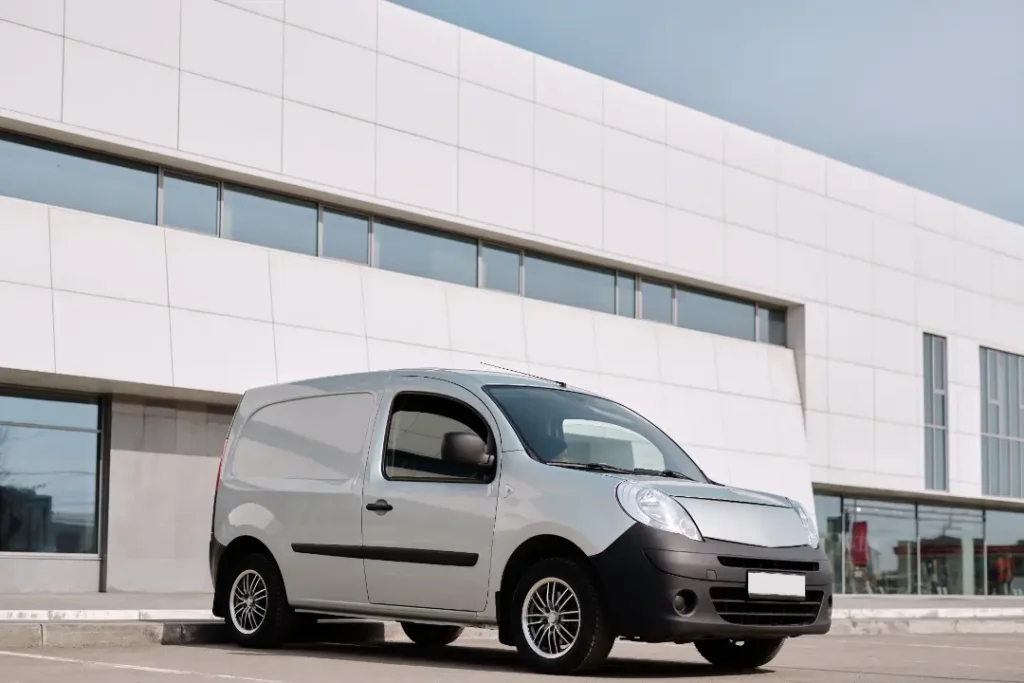
Commercial Vans Can Experience Greater Exhaust Wear Because of Mileage and Working Conditions
Commercial vans often cover more miles than private passenger cars. Delivery vehicles, trade vans, service vehicles, and fleet vans may operate daily in stop-start traffic, on motorways, or across rough working environments.
This can expose the exhaust system to heat cycles, moisture, road salt, dirt, and vibration.
Regular checks can help identify developing problems before they affect other components.
Common Signs That a Van Exhaust System May Need Attention
A healthy exhaust system should not suddenly become much louder. Drivers may notice:
- Rattling
- Hissing
- Popping
- Metallic vibrations
- Deep roaring sounds
- Knocking from underneath the vehicle
These noises can have several causes, including loose brackets, damaged pipes, corrosion, or leaks. A professional inspection can help locate the source of the problem.
Exhaust Smells Inside or Around the Van Should Be Investigated Promptly
Strong exhaust smells can indicate a leak or another problem within the exhaust system. Exhaust gases should be directed safely away from the vehicle.
If fumes are noticeable inside the cab, the van should be checked rather than continuing normal use without investigation. Drivers should also pay attention to warning lights or changes in engine performance.
Dashboard Warning Lights Can Point to Emissions or Exhaust-System Problems
Modern vans use sensors to monitor emissions-related systems. A warning light may be linked to:
- Diesel particulate filter issues
- Oxygen or exhaust sensors
- AdBlue or SCR faults
- Catalytic converter problems
- Engine-management faults
- Emissions-control problems
A dashboard warning does not always identify the exact cause, so proper diagnosis may be required.
Rust and Corrosion Can Damage Exhaust Components Over Time
Exhaust systems regularly experience extreme temperature changes. When a van starts cold and heats up, condensation can form inside sections of the system. Moisture combined with road salt and general wear can contribute to corrosion.
Short journeys may also prevent the exhaust from staying at full operating temperature long enough, which can leave more moisture within the system. Visible surface rust does not always mean immediate replacement is required, but holes, cracks, or weakened components should be inspected.
Exhaust Mountings and Brackets Should Also Be Checked for Wear or Damage
Exhaust pipes are supported by brackets, rubber mounts, and hangers. If these parts become damaged or loose, the exhaust can move excessively or strike other parts of the vehicle.
This may produce knocking or rattling noises, particularly over bumps. Replacing a small worn mounting early can sometimes prevent additional stress on the rest of the exhaust system.
Diesel Van Owners Should Pay Attention to DPF and AdBlue Systems
Many modern diesel vans use a diesel particulate filter, or DPF, to capture soot from exhaust gases. The filter needs to regenerate periodically by burning accumulated soot.
Frequent short journeys or low-speed driving may make regeneration more difficult on some vehicles. Warning signs of a DPF issue can include:
- Dashboard warning lights
- Reduced engine performance
- Increased fuel consumption
- Frequent regeneration
- Limp mode
- Difficulty completing regeneration
Drivers should follow the vehicle manufacturer’s guidance if a DPF warning appears.
AdBlue and SCR Systems Form Another Important Part of Modern Diesel Exhaust Control
Many Euro 6 diesel vans use AdBlue together with selective catalytic reduction technology. AdBlue helps the emissions system reduce nitrogen oxide emissions.
Low AdBlue levels normally trigger dashboard warnings before the fluid runs out. Faults can also occur within pumps, injectors, sensors, or other SCR components. These issues should be disclosed if the van is being sold.
Routine Exhaust Checks Can Help Prevent Larger Repair Bills
Van owners can look for basic warning signs without dismantling the exhaust system. Useful checks include:
- Looking underneath for visible corrosion.
- Checking for hanging or misaligned exhaust sections.
- Listening for unusual noises.
- Monitoring dashboard warning lights.
- Noticing changes in exhaust smell.
- Watching for changes in engine performance.
- Checking whether the exhaust appears unusually smoky.
These checks do not replace professional servicing, but they can help identify when further inspection is needed.
Service Records Can Show Buyers That Exhaust and Emissions Problems Have Been Addressed
Maintenance records provide useful information about how a commercial vehicle has been cared for. Invoices may show repairs or replacements involving:
- Exhaust pipes
- Sensors
- DPF components
- Catalytic converters
- AdBlue systems
- Exhaust mountings
- Emissions repairs
A complete maintenance record does not guarantee a higher selling price, but it can give buyers a clearer picture of the van’s history.
Exhaust Condition Can Affect a Used Van’s Value
A damaged exhaust system can affect a van’s resale value because repairs may be required. However, exhaust condition is only one factor. A buyer may also consider:
- Age
- Mileage
- Make and model
- MOT status
- Service history
- Engine condition
- Gearbox condition
- Bodywork
- Tyres
- Current market demand
Two vans with similar registration years can therefore receive different valuations.
An Exhaust Fault Does Not Automatically Prevent a Commercial Van From Being Sold
Owners do not always need to repair every exhaust problem before selling. Common issues owners may need to disclose when selling a van include:
- Exhaust leaks
- DPF problems
- AdBlue faults
- Engine warning lights
- High mileage
- MOT failures
- Mechanical damage
- Bodywork damage
- Non-running condition
Sellers should disclose known faults accurately when requesting a valuation.
Comparing Exhaust Repair Costs With the Van’s Current Value
Some exhaust repairs are relatively minor, while others can become expensive. Replacing a damaged mounting may cost far less than replacing emissions-control components such as a DPF, catalytic converter, or SCR-related part.
Before authorising major repairs, owners can compare:
- Estimated repair cost
- Current van value
- Vehicle age
- Mileage
- Other upcoming repairs
- MOT requirements
- Replacement vehicle costs
For an older commercial vehicle with several faults, selling may sometimes be more practical than continuing to invest in repairs.
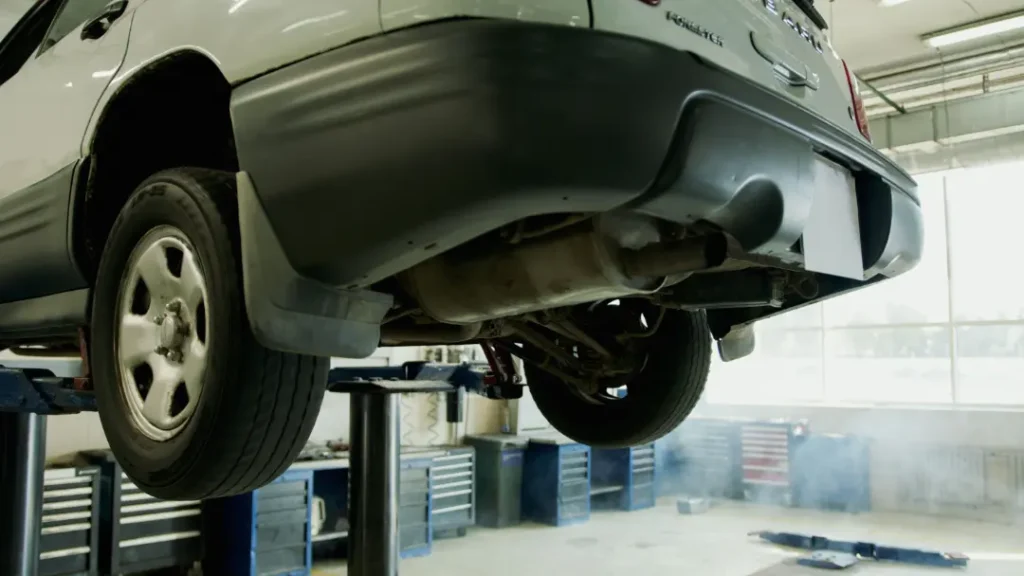
Requesting a Valuation Before Repairing the Van Can Help Owners Compare Their Options
Cash Your Vans provides an online valuation process for commercial vehicles. Useful information to have ready includes:
- Registration number.
- Mileage.
- Exhaust problems.
- Warning lights.
- MOT status.
- Mechanical condition.
- Bodywork condition.
- Service history.
Knowing the vehicle’s possible selling value can help owners decide whether to repair, keep, or sell the van.
Preparing a Van With Exhaust Problems for Sale
An accurate vehicle description helps reduce complications later. Sellers should mention issues such as:
- Loud exhaust noise
- Exhaust leaks
- DPF warning lights
- AdBlue problems
- Engine-management lights
- Visible exhaust damage
- Excessive smoke
- Reduced performance
Known faults should not be hidden before the vehicle is inspected or collected.
Preparing the Vehicle Documents Can Make the Final Handover Easier
Before collection, van owners should gather the available paperwork. This may include:
- V5C registration certificate
- MOT records
- Service history
- Repair invoices
- Vehicle keys
- Spare keys
- Outstanding finance information
Personal belongings, tools, and equipment should also be removed before the vehicle changes hands.
Selling Directly Can Be an Alternative to Repairing and Advertising Privately
Some private buyers may prefer a commercial vehicle that can be used immediately without repair work. Exhaust faults, warning lights, or emissions problems may reduce buyer interest or lead to repeated negotiations.
A private sale can also involve:
- Creating advertisements
- Uploading photographs
- Responding to enquiries
- Arranging viewings
- Negotiating the price
- Handling test drives
- Dealing with cancelled appointments
A direct commercial vehicle sale provides another option.
Cash Your Vans Considers Commercial Vehicles in a Wide Range of Conditions
Cash Your Vans buys vans with different ages, mileages, and mechanical conditions across the UK. Owners can request a valuation before committing to the sale.
For a van with expensive exhaust repairs, emissions faults, or several other mechanical issues, this can provide a practical alternative to paying for repairs before advertising privately.
Sell a Van With Exhaust Problems Through Cash Your Vans
Exhaust and emissions problems can make an older van expensive to maintain. DPF faults, AdBlue issues, exhaust leaks, and warning lights may also make private selling more difficult.
At Cash Your Vans, we buy vans, trucks, and other commercial vehicles across the UK. We consider vehicles in many conditions. This includes damaged, high-mileage, mechanically faulty, and non-running vans.
You can request an online valuation by giving us accurate vehicle details. Include relevant details about the mileage, MOT status, service history, exhaust condition, and any known emissions faults. We use this information to assess the vehicle and provide an offer.
Frequently Asked Questions
What Are the Most Common Signs of a Van Exhaust Problem?
Common signs include louder exhaust noise, rattling, hissing, strong exhaust smells, dashboard warning lights, reduced performance, visible rust, and unusual smoke. These symptoms can have different causes, so professional diagnosis may be needed.
Can I Sell a Van With a Damaged Exhaust System?
Yes. An exhaust fault does not automatically prevent a commercial vehicle from being sold. Cash Your Vans considers vans with exhaust problems, DPF faults, AdBlue issues, high mileage, bodywork damage, and other mechanical problems.
Does a Faulty Exhaust Reduce the Value of a Used Van?
It can. Buyers may consider the likely cost of repairs when valuing the vehicle. However, mileage, age, service history, model, MOT status, bodywork, and current demand also affect the final valuation.
Should I Repair My Van’s Exhaust Before Selling It?
Not always. Minor repairs may make sense, but expensive exhaust or emissions work may not be worthwhile on an older or high-mileage vehicle. Comparing the repair cost with the van’s current value can help you decide whether repairing or selling is the better option.