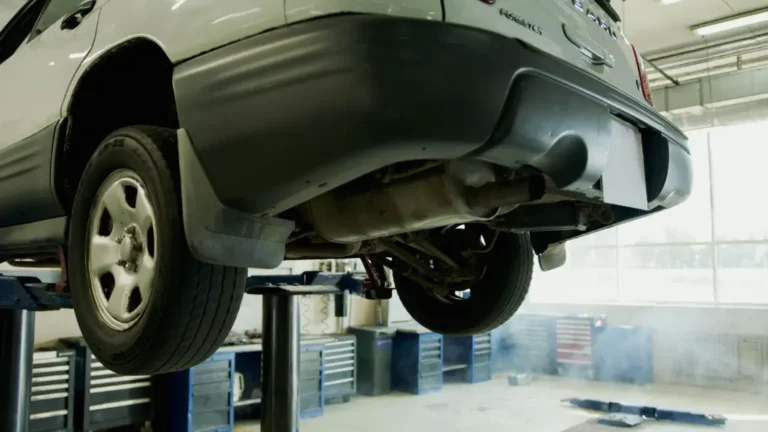
A van’s suspension affects comfort, handling, stability, tyre wear, and how safely the vehicle responds on the road. For commercial vehicles that regularly carry tools, stock, equipment, or heavy loads, suspension components can experience considerable wear over time.
UK van owners should pay attention to knocking noises, uneven tyre wear, poor handling, excessive bouncing, or changes in ride height. These signs may point to worn suspension components that require inspection.
Understanding Why Van Suspension Maintenance Matters
A van’s suspension connects the vehicle body to the wheels while helping absorb bumps and maintain tyre contact with the road. Depending on the vehicle, the system may include:
- Shock absorbers
- Springs
- Bushes
- Control arms
- Ball joints
- Anti-roll bars
- Mounts and linkages
These components work together to help the van remain stable during braking, cornering, acceleration, and normal driving. Commercial vehicles can place considerable stress on suspension systems because they often carry heavier loads than passenger cars.

Regular Inspection Can Help Identify Wear Before It Develops Into a More Expensive Problem
Suspension components wear gradually. A driver may initially notice a minor knocking noise or slight change in handling before the problem becomes more obvious.
Ignoring early symptoms can lead to additional wear on tyres or connected components. A professional inspection is sensible when the van begins to feel different on the road or develops unusual noises.
Common Signs That a Van Suspension System May Need Attention
Unusual noises are among the most common signs of suspension wear. Drivers may notice clunking or knocking when travelling over speed bumps, potholes, uneven surfaces, or rough roads.
Possible causes can include worn bushes, drop links, ball joints, mounts, or other suspension parts. Not every noise comes from the suspension, so professional diagnosis is important before replacing components.
Uneven Tyre Wear Can Indicate Alignment, Suspension, or Steering Problems
Tyres should generally wear evenly when the suspension, wheel alignment, and steering geometry are working correctly. Excessive wear on one side of a tyre can indicate a problem.
Van owners should watch for:
- Uneven tread wear
- Rapid tyre wear
- Steering pulling to one side
- Vibration through the steering wheel
- Changes in handling
These signs should not be ignored, particularly on commercial vans that regularly cover high mileage.
Excessive Bouncing or Poor Stability Can Suggest Worn Dampers or Springs
A van that continues bouncing after travelling over a bump may have worn shock absorbers or another suspension issue. Drivers may also notice increased body roll around corners or excessive movement under braking.
If the van feels unstable, an inspection should be arranged before continuing regular commercial use.
Heavy Loads Can Increase Wear on a Van’s Suspension
Commercial vans are designed to carry loads, but regularly operating close to the vehicle’s maximum capacity can increase wear. Construction workers, couriers, delivery drivers, tradespeople, and fleet operators may place particularly high demands on their vans.
Suspension wear may occur faster when vehicles regularly travel with:
- Heavy tools
- Building materials
- Machinery
- Parcels
- Stock
- Commercial equipment
Driving conditions also matter. Frequent journeys over potholes, uneven roads, construction sites, or rough surfaces can place additional strain on suspension parts.
Staying Within the Van’s Permitted Weight Limits Helps Protect the Suspension and Other Components
Overloading a commercial vehicle can affect handling, braking, tyres, suspension, and overall vehicle control. Van owners should understand the vehicle’s permitted weight limits and avoid carrying more than the manufacturer allows.
Correct load distribution also matters. Placing excessive weight over one side or axle can affect handling and increase stress on tyres and suspension components.
Routine Checks Can Help Keep a Van Suspension System in Better Condition
Van owners do not need to dismantle the suspension to identify obvious warning signs. Simple visual and driving checks can reveal potential problems.
Useful checks include:
- Inspecting tyres for uneven wear.
- Checking whether the van sits level.
- Listening for knocking or rattling noises.
- Monitoring steering behaviour.
- Noticing excessive bouncing.
- Checking whether the vehicle pulls to one side.
- Looking for visible damage around suspension components.
These checks do not replace professional servicing, but they can help owners recognise when an inspection may be needed.
Service and MOT Records Can Provide Useful Evidence of Previous Suspension Repairs
Keeping maintenance records can make it easier to track what work has been completed. Invoices may show replacement shock absorbers, springs, bushes, ball joints, tyres, alignment work, or other repairs.
This information can also be useful when selling the van. A documented history helps buyers understand the vehicle’s background rather than relying entirely on the seller’s description.
Suspension Condition Can Affect a Used Van’s Value
Suspension faults can influence the value of a used van because repairs may be required before the vehicle can return to regular service. However, suspension condition is only one part of the valuation.
Other factors may include:
- Vehicle age
- Mileage
- Make and model
- MOT status
- Service history
- Bodywork condition
- Engine condition
- Gearbox condition
- Tyre condition
- Current market demand
Two similar vans can therefore receive different valuations depending on how they have been maintained.
A Suspension Fault Does Not Automatically Mean a Van Cannot Be Sold
Some owners assume they must repair every mechanical problem before selling. That is not always necessary.
Cash Your Vans considers commercial vehicles with issues such as:
- Worn suspension components
- Damaged springs
- Shock absorber problems
- Steering faults
- High mileage
- Bodywork damage
- MOT failures
- Mechanical faults
- Non-running condition
Sellers should describe known faults accurately when requesting a valuation.
Requesting a Valuation Before Paying for Major Repairs Can Help Owners Compare Their Options
Repairing a suspension problem may make sense when the van is otherwise reliable and still suits the owner’s needs. For an older, high-mileage vehicle, however, the repair cost may need to be considered alongside other maintenance expenses.
Before committing to major work, owners can compare:
- Estimated repair cost
- Current vehicle value
- Remaining working life
- Other mechanical issues
- Upcoming MOT requirements
- Replacement vehicle costs
This can help determine whether keeping or selling the van is more practical.
An Online Van Valuation Provides a Useful Starting Point Before Making a Decision
Cash Your Vans allows commercial vehicle owners to request a valuation based on their vehicle details. Sellers should provide information such as:
- Registration number.
- Current mileage.
- Mechanical condition.
- Suspension problems.
- MOT status.
- Bodywork condition.
- Service history.
Accurate information helps ensure the valuation reflects the actual vehicle.
Preparing a Van With Suspension Problems for Collection
Sellers should explain any known mechanical issues before accepting an offer. This includes suspension knocks, damaged springs, poor handling, warning lights, or other faults.
Hiding a known problem can create unnecessary complications during the final handover. If the van is unsafe to drive, that should also be made clear before collection is arranged.

Removing Personal Items and Preparing the Documents Can Make the Handover Simpler
Before collection, owners should remove tools, equipment, paperwork, and other personal belongings from the van. Available documents should also be prepared.
These may include:
- V5C registration certificate
- MOT information
- Service records
- Repair invoices
- Vehicle keys
- Spare keys
- Finance information where applicable
Cash Your Vans can arrange collection for accepted commercial vehicles, including vehicles that may no longer be practical to drive.
Selling Directly Can Avoid the Delays of a Private Van Listing
Private buyers often look for vehicles they can begin using immediately. A van with suspension problems may therefore attract fewer enquiries or require repeated explanations during viewings.
Sellers may also face:
- Advertising costs
- Buyer negotiations
- Test-drive requests
- Missed appointments
- Repeated questions
- Last-minute price reductions
A direct sale provides another option for owners who do not want to repair or privately advertise the vehicle.
Cash Your Vans Considers Commercial Vehicles in a Wide Range of Conditions Across the UK
Cash Your Vans buys commercial vehicles with different ages, mileages, specifications, and mechanical conditions. The process allows owners to request a valuation first and decide whether the offer suits their situation.
For owners dealing with expensive suspension repairs or an older van approaching the end of its working life, this can provide a practical alternative to investing further money into the vehicle.
Sell a Van With Suspension Problems Through Cash Your Vans
Suspension repairs can become expensive, especially on an older or high-mileage van. If the repair cost no longer feels worthwhile, selling the vehicle may be another option.
At Cash Your Vans, we buy vans, trucks, and lorries across the UK. We consider vehicles in many conditions. This includes vans with worn suspension, damaged springs, shock absorber problems, steering faults, MOT issues, bodywork damage, and other mechanical problems.
You can request an online valuation by providing accurate details about your van. Tell us about the mileage, condition, MOT status, and any known suspension faults. We use this information to assess the vehicle and provide an offer.
Frequently Asked Questions
What Are the Most Common Signs of Suspension Problems in a Van?
Common signs include knocking or clunking noises, excessive bouncing, uneven tyre wear, pulling to one side, poor handling, unusual body roll, or changes in ride height. These symptoms can have different causes, so professional inspection is recommended before replacing components.
Can I Sell a Van With Damaged or Worn Suspension?
Yes. A suspension problem does not automatically prevent a van from being sold. Cash Your Vans considers commercial vehicles with suspension faults, mechanical problems, high mileage, bodywork damage, and other issues. Sellers should describe the condition accurately when requesting a valuation.
Does Suspension Condition Affect the Value of a Used Van?
It can. Buyers may consider the cost of suspension repairs when assessing a vehicle. However, the final value also depends on mileage, age, make and model, MOT status, service history, overall mechanical condition, and current demand.
Should I Repair the Suspension Before Selling My Van?
Not necessarily. The decision depends on the likely repair cost, the van’s value, its age, mileage, overall condition, and how long you plan to keep it. Requesting a valuation before paying for major repairs can help you compare the financial options.