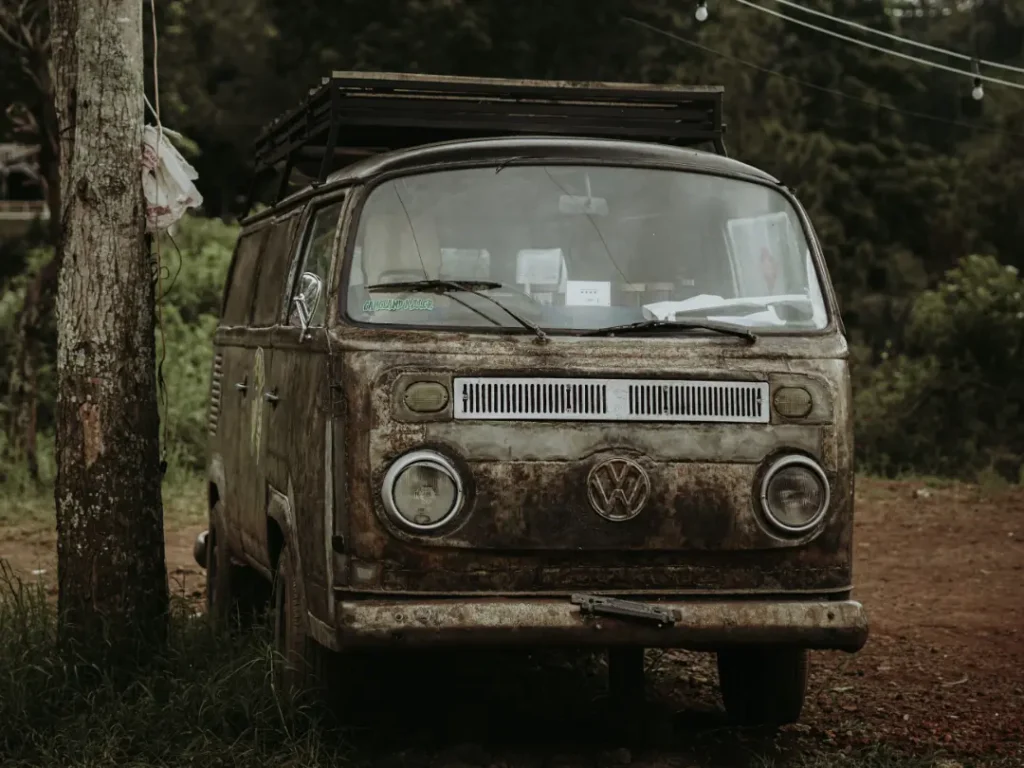
Rust can reduce the appearance, structural condition, and long-term value of a commercial van. UK weather, road salt, moisture, mud, and everyday commercial use can all contribute to corrosion, particularly around wheel arches, sills, doors, underbody components, and damaged paintwork.
Cash Your Vans buys commercial vehicles in a wide range of conditions, including older, high-mileage, damaged, and rust-affected vans. Sellers can request an online valuation, provide accurate details about the vehicle, and decide whether repairing or selling makes more sense.
Regular Cleaning Helps Reduce the Conditions That Encourage Rust
Commercial vans spend much of their working lives exposed to rain, standing water, dirt, and road debris. During colder months, road salt can collect around wheel arches, sills, suspension areas, and the underside of the van. Leaving this contamination in place can increase the risk of corrosion over time.
Regular washing helps remove these deposits before they remain trapped against painted or exposed metal. Owners should pay particular attention to:
- Wheel arches
- Door edges
- Sills
- Underbody areas
- Rear steps
- Load-area entrances
- Around mudguards
- Areas behind trim
Simply cleaning visible body panels while ignoring the underside can leave some of the most corrosion-prone areas untreated.

Drying and Inspecting the Van After Cleaning Makes Early Rust Easier to Spot
Cleaning also allows owners to inspect the vehicle closely. Small rust bubbles, scratches, chips, or discoloured patches may be easier to notice once dirt has been removed.
Early corrosion is usually easier to address than rust that has already spread beneath paint or weakened a metal panel.
Paint Damage Should Be Repaired Before Bare Metal Is Left Exposed
Paint does more than improve appearance. It also provides a protective barrier between metal and moisture. When a stone chip, scrape, or impact exposes bare metal, water and oxygen can begin the corrosion process.
Working vans are particularly vulnerable because they may regularly experience:
- Road debris
- Building-site damage
- Loading equipment
- Tight parking areas
- Branches and vegetation
- Tools contacting body panels
Small areas of paint damage should therefore be dealt with before rust has time to spread.
Minor Surface Damage Is Usually Easier to Correct Before Corrosion Reaches the Surrounding Paint
A small chip may require only basic preparation and touch-up treatment. Once rust begins spreading underneath surrounding paint, repairs can become more involved.
Owners should avoid simply painting over active corrosion. Rust should be properly prepared before protective coatings are applied. For larger areas, professional bodywork repair may be more appropriate.
Some Parts of a Van Are More Vulnerable to Rust Than Others
Rust does not develop evenly across a vehicle. Areas that trap water, dirt, and road salt are often more vulnerable. Common places to inspect include:
- Front and rear wheel arches
- Sills
- Bottoms of doors
- Sliding-door tracks
- Chassis and underbody areas
- Around windscreen edges
- Fuel filler areas
- Rear load doors
- Floor edges inside the load area
Mud can hide developing corrosion, so a dirty surface should not be assumed to be rust-free.
Drainage Holes Should Remain Clear So Water Does Not Sit Inside Body Panels
Many vehicle panels are designed with drainage points that allow trapped water to escape. If these become blocked with mud, leaves, or debris, moisture can remain inside the panel.
Owners should periodically check obvious drainage points around doors and body sections and remove accessible debris where appropriate. Persistent water inside a panel should be investigated rather than ignored.
Underbody Protection Can Help Reduce Exposure to Moisture and Road Salt
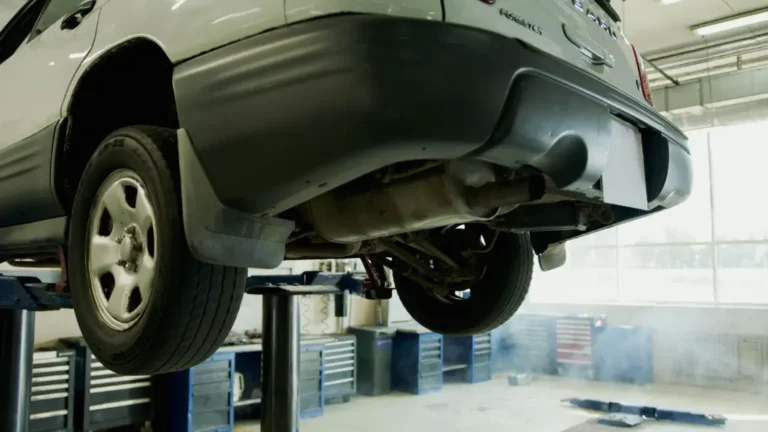
The underside of a commercial van is regularly exposed to water, grit, road salt, and impacts. Protective underbody treatments may help reduce direct exposure when correctly applied to a properly prepared surface.
The key point is preparation. Applying a coating over existing heavy rust or trapped moisture can hide rather than solve the problem. Owners considering underbody protection should make sure existing corrosion is assessed first.
Older Vans May Benefit From More Frequent Underbody Inspections
Age does not automatically mean serious rust, but older commercial vehicles have usually experienced more winters, road miles, and exposure. Regular underbody inspections can help identify:
- Surface corrosion
- Damaged protective coatings
- Rust around mounting points
- Corrosion near suspension areas
- Exhaust corrosion
- Structural rust
Any concern involving structural components should be inspected professionally.
Keeping the Van Dry Can Help Slow Interior and Load-Area Corrosion
Rust is not limited to exterior panels. Leaks around doors, roof fittings, windows, seals, or load-area openings can allow water into the van.
If moisture remains trapped beneath flooring, mats, or lining, corrosion can develop out of sight. Van owners should investigate:
- Damp flooring
- Water stains
- Wet insulation
- Musty smells
- Pooling water
- Damaged door seals
Finding and repairing a leak early can help reduce the risk of corrosion and interior damage.
Wet Tools and Materials Should Not Be Left Against Metal Surfaces for Long Periods
Commercial vans may carry wet equipment, building materials, or muddy tools. Leaving moisture directly against exposed metal can contribute to corrosion.
Load areas should be cleaned periodically, and standing water should not be left beneath equipment or flooring.
Rust Can Affect the Value of a Used Van
A small cosmetic rust patch is very different from corrosion affecting structural metal. When valuing a used commercial vehicle, buyers may consider:
- Location of the rust
- Size of the affected area
- Whether corrosion is cosmetic or structural
- Vehicle age
- Mileage
- MOT history
- Overall mechanical condition
- Service history
- Make and model
- Current market demand
Two vans with similar mileage can therefore receive different valuations if one has significantly more corrosion.
Structural Rust Can Have a Greater Effect on Value Than Minor Cosmetic Corrosion
Rust affecting sills, chassis components, suspension mounting areas, or other structural sections may require more substantial repair. This can influence both roadworthiness and resale value.
Minor surface rust may have less impact, particularly on an older working van, but it should still be disclosed accurately when seeking a valuation.
Preventing Rust Can Help Preserve a Van for Longer
Van owners do not need an elaborate routine. Basic preventative care can include:
- Washing the van regularly.
- Cleaning wheel arches and underbody areas.
- Repairing paint chips promptly.
- Checking vulnerable areas for rust.
- Keeping drainage points clear.
- Investigating water leaks.
- Keeping the load area dry.
- Checking protective coatings for damage.
Regular preventative care is more effective than waiting until rust becomes obvious.
Service and Repair Records Can Help Show How the Vehicle Has Been Maintained
Keeping invoices for bodywork, rust treatment, underbody protection, and other repairs can provide useful information when the van is sold. These records do not guarantee a particular price, but they give a buyer a clearer picture of the vehicle’s maintenance history.
Selling a Van With Rust Is Still Possible
Some owners spend money repairing corrosion because they assume a damaged van cannot be sold otherwise. That is not always necessary.
Whether repairs make financial sense depends on:
- The severity of the corrosion
- Repair cost
- Vehicle age
- Mileage
- Overall condition
- Current value
- Other mechanical problems
A minor repair may be worthwhile on a newer van, while extensive rust repair may make less financial sense on an older high-mileage vehicle.
Cash Your Vans Considers Older and Rust-Affected Commercial Vehicles
Cash Your Vans buys vans in a wide range of conditions.
This can include vehicles with:
- Cosmetic rust
- Bodywork damage
- High mileage
- Mechanical faults
- MOT issues
- Accident damage
- Non-running condition
Known corrosion should be described accurately when requesting a valuation.
Preparing a Rust-Affected Van for Sale
Sellers should avoid hiding corrosion beneath temporary cosmetic fixes. Instead, provide an honest description of visible rust and any known structural issues.
Useful details may include:
- Where the rust is located
- Whether panels have holes
- Whether corrosion has been mentioned during an MOT
- Previous rust repairs
- General bodywork condition
- Current mileage
- Mechanical condition
Clear information can help reduce last-minute complications.
Vehicle Documents and Maintenance Records Should Be Prepared Before Handover
If the sale proceeds, owners should gather available documents such as:
- V5C registration certificate
- MOT history
- Service records
- Bodywork repair invoices
- Vehicle keys
- Spare keys
- Finance information where applicable
Tools, equipment, and personal belongings should also be removed before collection.
Sell a Rust-Affected Van With Cash Your Vans
Rust can make an older van harder to maintain and more difficult to sell privately. Extensive corrosion can also make repair costs difficult to justify.
At Cash Your Vans, we buy vans, trucks, and lorries across the UK. We consider vehicles in many conditions. This includes vans with cosmetic rust, bodywork damage, high mileage, MOT issues, mechanical faults, and non-running problems.
You can request an online valuation by providing accurate details about your vehicle. Tell us about the mileage, bodywork condition, MOT status, and any known corrosion. We use this information to assess the van and provide an offer.
Frequently Asked Questions
What Is the Best Way to Prevent Rust on a Van?
Regular washing, removing road salt and mud, repairing paint chips quickly, checking vulnerable areas, and keeping the van dry can all help reduce corrosion. Wheel arches, sills, door bottoms, and underbody areas deserve particular attention.
Where Does Rust Commonly Develop on Commercial Vans?
Common areas include wheel arches, sills, door bottoms, sliding-door tracks, underbody sections, load-area edges, and places where water or dirt becomes trapped. The exact problem areas vary by vehicle design and age.
Does Rust Reduce the Value of a Used Van?
It can. Minor cosmetic rust may have a limited effect, while structural corrosion can reduce value more significantly because repairs may be expensive. Age, mileage, service history, mechanical condition, and market demand also influence the valuation.
Can I Sell a Van That Already Has Rust?
Yes. A van does not need perfect bodywork to be sold. Cash Your Vans considers commercial vehicles with rust, bodywork damage, high mileage, mechanical faults, and other issues. Sellers should describe the corrosion accurately when requesting a valuation.