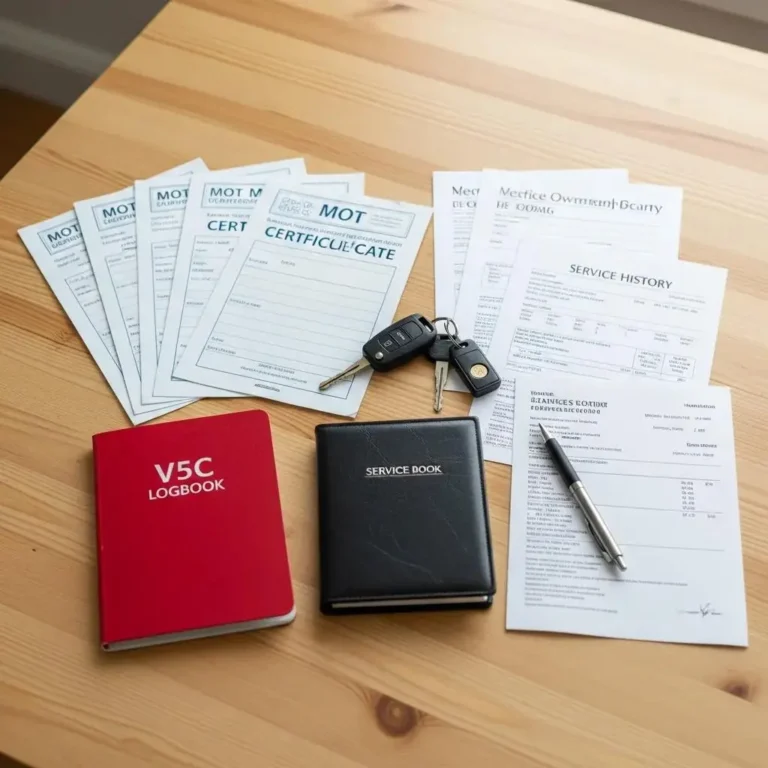
Service history is the paper or digital record of work, inspections, and repairs your van has had, and it directly shapes buyer confidence and resale value across the UK.
This guide explains what full, partial, and no service history mean for commercial vans and motorhomes, how records typically affect prices in 2025, and practical options if you don’t have all the paperwork.
Many sellers worry that missing stamps or online logs will seriously reduce value; here you’ll see typical percentage uplifts and penalties, the other factors buyers consider, and realistic selling ways so you can pick the right route.
What Is Van Service History, And Why Does It Matter?
Service history is the log of maintenance and repairs carried out on a vehicle, recorded in service books, dealer invoices, MOT logs, or manufacturer portals. It matters because it lowers buyer uncertainty: clear records show routine care, reduce the risk of hidden faults, and make pre-sale checks quicker.
Fleets usually have regular stamped or digital logs; private owners often have partial records or receipts. Where paper is missing, electronic service history and MOT records can help bridge the gap.
A tidy service record normally shortens the time it takes to sell and strengthens your negotiating position because buyers factor in lower post-sale repair risk.
Knowing which documents buyers expect helps you gather the right paperwork before getting valuations or organising inspections.
The role of documented service history in reducing buyer risk mirrors how clear information builds customer confidence in other services.
Below are the common types of evidence buyers check, and how each affects perceived reliability.
- Service book entries: Clear, dated stamps or notes showing routine servicing or workshop work.
- Dealer invoices: Itemised bills that confirm parts and labour for major repairs.
- Digital service records and MOT history: Online logs that confirm dates, services, and mileage.
In short, verifiable maintenance builds trust and generally supports a higher resale price.
What Full, Partial, And No Service History Mean For Vans
Full service history (FSH) means a consistent, dated record of scheduled maintenance, often with dealer stamps or linked digital entries. Partial service history (PSH) shows some documented work but with gaps, which can raise questions about what happened during the missing periods.
No service history (No SH) means there are no formal records; buyers then rely on MOT history, any receipts you have, and a mechanical inspection.
Fleets commonly show FSH through management systems, while private sellers more often present PSH or No SH when work is done informally. Finding digital entries on manufacturer portals or matching MOT dates to receipts can help turn an unclear history into a verifiable one.
Buyers use these categories to estimate future repair risk, and the next section explains how that affects negotiation behaviour.
How Service History Influences Buyer Confidence
Service history signals how likely a van is to remain reliable and how soon it might need work. When records are missing, buyers and traders lower offers because unknown maintenance intervals increase the perceived risk to key components.
A clear history usually leads to quicker, unconditional offers, fewer mechanical contingencies, and less chance of immediate post-sale problems. Trade buyers will still consider vans with limited records but will factor that uncertainty into their margins, often offering less or insisting on inspections.
Showing routine servicing and consistent mileage across MOT and service entries is the easiest way to restore buyer confidence and speed up negotiations.
Historical studies of the automotive market show the long-standing importance of transparent information in building buyer trust.
If you’re worried about missing paperwork, there are routes to sell quickly without full records; we outline those below.
Cash Your Vans buys vans, trucks, and motorhomes in any service condition and offers an instant, no-obligation quote plus free nationwide collection and fast payment.
That means sellers without full documentation can still secure a straightforward sale and avoid the time a private listing requires. If speed and simplicity matter, consider requesting a quote to compare offers.
How Much Does Service History Add To Van Value In The UK?
Service history usually moves value in measurable ranges: a full service history generally adds value, while no service history typically reduces offers. In the 2025 market, a full service history commonly uplifts a van’s guide value by around 5–15%, while a missing or no service history can cut value by roughly 10–25% and, in some higher-risk cases, up to 30%.
The exact effect depends on age, mileage, make/model, and current condition. Supplying receipts, matching MOT records, and invoices for recent work can narrow those penalties by lowering buyer uncertainty.
Research supports the link between maintenance records and how commercial vehicles are financially assessed. The table below summarises typical uplifts and penalties so you can compare at a glance.
| Service Record Level | Typical Price Impact | Notes |
|---|---|---|
| Full Service History (FSH) | −5–10% | Best when records are continuous and match MOT/mileage |
| Partial Service History (PSH) | −5–10% | Penalty varies with gaps and supporting receipts |
| No Service History (No SH) | −10–25% (up to −30%) | Market, age, and condition can worsen or soften the penalty |
This shows how verifiable servicing reduces buyer risk and usually improves offers; below, we unpack the typical uplift you might expect with FSH.
Typical Value Increase With A Full Service History

A full service history raises value because it proves scheduled maintenance and reduces doubt about neglected items. The 5–15% uplift reflects buyer confidence that the van is less likely to need immediate major repairs, especially valuable for older vans, where history is a key longevity indicator.
For example, on a guide price of £8,000, a 10% FSH uplift would add about £800 to an offer, all else equal. Uplifts tend to be larger for desirable makes and models and smaller for mass-market utility vans, where buyers mostly focus on current condition and mileage.
Knowing the typical uplift helps you decide whether it’s worth documenting or repairing before you sell.
How Missing Or Partial Service History Impacts Van Price
Missing or partial history increases perceived risk and normally reduces offers because buyers budget for potential hidden defects. Partial histories usually lead to modest discounts as buyers assume some maintenance gaps; no history can trigger larger penalties since buyers may assume worst-case neglect.
Factors that reduce the penalty include low, verified mileage, a clear recent MOT history, and receipts for recent major work. For heavily damaged or non-running vans, records matter less because condition and repair costs dominate valuation.
But for clean-running vans, a lack of records usually leads to a clear negative adjustment.
Buyers quantify this uncertainty during inspection and valuation, so any corroborating documents typically improve your position at offer time.
Can You Sell A Van Without Service History In The Uk?
Yes, you can sell a van without service history in the UK, but the route you take affects speed, price, and paperwork. Options include private sale (potentially higher price but longer selling time), trade or specialist buyers (faster sale, lower offers), part-exchange when buying another vehicle, or recycling/scrap for severely damaged or non-running vans.
Gathering MOT history, receipts, and a clear description of the vehicle reduces disputes and can attract better offers even without formal service books. Understanding realistic timelines and likely offers for each channel helps you choose what matters most: maximum return, speed, or convenience.
The list below compares common sales channels and their pros and cons for vans lacking records.
- Private sale: Potentially higher price, but longer selling time and more buyer scrutiny.
- Trade/specialist buyer: Fast sale with minimal paperwork; offers reflect uncertainty.
- Part-exchange: Convenient when buying another vehicle, though you may accept a dealer margin.
Once you choose a route, preparing documents and setting reasonable expectations will help smooth the sale and reduce haggling.
Options When Selling Without Service Records

When records are missing, match your selling route to your priorities and readiness. Private sale usually delivers the best headline price but needs transparency and time for inspections. Dealers and trade buyers offer speed and convenience but lower offers that reflect margin and uncertainty.
Specialist buyers and salvage purchasers handle non-runners or badly damaged vans where records have little impact. Collate MOT history, any receipts, and notes on recent work to improve outcomes across channels.
If you want a firm target price, consider a quick professional valuation before listing privately.
A clear comparison helps you weigh the trade-off between time and price and prepares you for likely buyer questions and inspection points.
How Cash Your Vans Helps With Vans Lacking Service History
Cash Your Vans buys vans, trucks, and motorhomes in any condition, including vehicles without service records- and offers a simple, quick way to sell. The process is simple: get an instant, no-obligation quote, accept an offer if it suits you, then arrange free nationwide collection with fast payment by cash or bank transfer.
This suits sellers who want speed and minimal paperwork rather than chasing the top private-sale price. If convenience and certainty matter more than the highest possible offer, a specialist buyer like Cash Your Vans can make the sale straightforward.
This service is especially useful when compiling records or arranging repairs that would delay or complicate the sale.
Frequently Asked Questions
How Can I Improve The Value Of My Van If I Have No Service History?
If you don’t have full service records, gather whatever you do have: recent MOT certificates, receipts, invoices, and any workshop notes. Be transparent about the van’s condition and list recent repairs. A mechanical inspection report can reassure buyers and often leads to better offers. Presenting the van cleanly and honestly usually reduces buyer scepticism.
What Should I Do If I Find Missing Service Records For My Van?
Contact past garages or dealers to request copies of invoices or stamps. Check online portals and MOT history for supporting entries. If records remain missing, compile any receipts you have and prepare a clear timeline of known work. Proactive documentation helps show the van has been cared for and can improve negotiating leverage.
Are There Specific Types Of Vans That Retain Value Better Than Others?
Yes. Crew vans, refrigerated vans, and long-wheelbase models often hold value better because demand is higher. ULEZ-compliant vans also tend to attract more buyers in urban areas. Understanding which models are in demand locally helps you pick the right time to sell and maximise value.
How Does The Age Of My Van Affect Its Resale Value?
Age is a major factor: older vans usually depreciate faster and can prompt lower offers due to perceived maintenance risk. However, an older van with a full service history and low verified mileage can still command a good price. Regular upkeep and clear documentation help offset age-related depreciation.