No, you don’t have to service your van before you sell if you choose a buyer who purchases vehicles in any condition. This guide shows when a service makes financial sense and when it simply wastes time and money.
You’ll get clear cost-versus-value rules, typical UK service cost ranges and clear options for selling without a full service or repair. Many people assume a service always boosts resale value, but the real return depends on repair costs, the van’s age and who you sell it to.
Private buyers often pay more for a full service history; cash buyers typically buy as-is. We map the choices you’ll face, why people service before selling, an ROI checklist with example scenarios, how as-is buyers work, how to get an instant quote and sell without repairs, rules for no-MOT or non-runners, plus low-cost prep that still improves saleability.
Along the way you’ll find checklists, decision prompts and practical steps to help you decide whether to service or sell as-is.
Why Do People Usually Service Their Van Before Selling?
Servicing before a sale is a common step because it signals the van has been cared for, reduces buyer uncertainty and can sometimes increase resale value for private sales or dealer trade-ins.
The idea is simple: a documented service history lowers perceived risk, which can turn hesitant viewers into buyers or nudge a dealer’s trade-in price up. For private sales, a recent service can shorten time on the market and justify a small price premium.
Dealers use service records to estimate refurbishment costs and residual value. Knowing these motivations helps you decide if a service matches your sale goals, the next section looks at real cost versus likely uplift so you can make that call.
Benefits Of Servicing Before A Private Sale Or Dealer Trade‑in
A recent service offers clear benefits many buyers expect. It boosts buyer confidence by proving preventative maintenance, cuts the chance of hidden faults and often speeds up negotiations. Small repairs found during a service, brake pads, bulbs or basic maintenance, remove common objections and can widen your pool of buyers, and make trade-ins smoother and less conditional.
These wins matter most when the repair costs are low compared with the likely uplift, which is exactly what the cost-versus-benefit section below helps you work out.
Full Service History: How It Affects Buyer Confidence And Value
A full service history is a trust signal: it tells buyers the van’s been looked after and suggests lower future costs. That can produce noticeable differences in price for newer or higher-value vans, especially for business buyers or anyone planning long-term use.
But the value of paperwork declines for older, high-mileage vans where wear and tear matters more than receipts. In those cases, use the cost-vs-benefit framework below to see if servicing is worth it.
Is It Worth Servicing Your Van Before Selling? Cost Vs. Benefit Analysis
Deciding whether to service your van comes down to a simple ROI test: compare the cost of the work with the likely resale uplift and don’t spend more than you expect to recover. Small fixes that remove obvious buyer objections often give a positive return, while big jobs seldom pay off for older or high-mileage vans.
Below we list typical UK cost ranges for common items and a practical rule of thumb so you can judge whether to get work done. After the table, we give concrete examples that show when a service will pay and when selling as-is is the smarter choice.
The typical UK costs below are illustrative averages, regional differences and your van’s specifics will affect actual quotes, so check prices before committing to repairs.
| Service/Repair Item | Typical UK Cost (illustrative) | Likely Resale Uplift (approx) |
|---|---|---|
| Oil & filter change | £50–£100 | £0–£50 |
| Brake pads (axle) | £100–£200 | £50–£150 |
| Full service (major) | £150–£400 | £100–£300 |
| Timing belt change | £350–£700 | £100–£300 |
| MOT advisories fix | £50–£350 | £0–£200 |
This table shows that only relatively low‑cost items regularly pay for themselves in a sale; expensive services like a timing belt usually don’t return full cost unless the van has higher value otherwise. The next section breaks down typical UK costs in more detail.
Typical Uk Costs For Van Servicing And Repairs
Servicing jobs in the UK range from cheap preventative tasks to costly component replacements that are seldom recovered when you sell. An oil and filter change or a bulb replacement is cheap and can remove buyer objections, whereas major work, timing belt, gearbox, etc., is expensive and often better left to a buyer who plans to repair.
The practical approach is to get quotes for any big jobs and compare them to the expected uplift: if a repair costs less than the likely increase in sale price, it may be worth doing. With those ranges in mind, the next section explains how servicing can affect your asking price in concrete terms.
How Servicing Can Increase Your Van’s Sale Price
Servicing can raise the sale price by reducing buyer-perceived risk and removing immediate tasks the buyer would face. The uplift depends on repair type, the van’s age and the buyer.
For minor fixes, you might see a modest uplift in asking price in private sales, while dealers usually adjust trade-in offers based on refurbishment costs rather than paying extra solely for service history.
Example: a sensibly priced brake job might help you secure a faster sale or a stronger private-sale offer, a positive ROI if it shortens listing time. Rule of thumb: do repairs when the repair cost is lower than the expected uplift; otherwise document the condition honestly and consider selling as-is to a buyer who purchases any condition.
Can You Sell Your Van Without Servicing? How Cash Your Vans Makes It Easy
Yes, you can sell your van without a service if you choose a buyer who purchases vehicles as‑is. These buyers value vans based on condition, mileage and demand, and they factor refurbishment or parts resale into their offers.
Selling without a service saves time, avoids upfront repair bills and transfers repair risk to the buyer, a good option for older vans, fleet disposals or damaged vehicles.
If you’d rather skip repairs, Cash Your Vans buys vans as‑is and offers instant quotes, free collection and fast payment. Below are the main advantages of selling without a service and how a buyer like Cash Your Vans simplifies the process.
- No repair bills: Sell without paying for repairs, parts or labour.
- Faster sale: Avoid weeks of listings and negotiations.
- Clear pricing: Offers reflect condition and reduce uncertainty.
Selling without a service usually makes sense when repair costs are high compared with the likely uplift. The next section explains the buyer model and the practical benefits for sellers.
Why Cash Your Vans Buys Vans Without Service History
Cash Your Vans follows an as‑is buying model: we accept vans regardless of service history and price them based on condition, photos and key details. Buyers like us refurbish, part out or wholesale vehicles, so we can make fair offers even when paperwork or running condition is imperfect.
That means less hassle and a predictable outcome for sellers, offers are based on condition rather than drawn‑out private negotiations. This model suits sellers who want speed and certainty over chasing a small extra premium through servicing.
Benefits Of Selling An Unserviced Van To Cash Your Vans
Selling to an as‑is buyer brings fast, practical benefits that often outweigh a small price bump from servicing. You avoid unexpected repair bills, get a quick valuation and can arrange collection without the usual private‑sale admin.
Cash Your Vans offers instant quotes, free nationwide collection and on‑the‑spot payment, cutting the time and effort for private sellers and fleet managers alike. The next section outlines the simple steps to get an instant quote and complete the sale without doing a service.
How To Sell Your Van Without A Service: Simple Steps To Get An Instant Quote
Selling without a service is straightforward when you know what buyers need and how the process works from quote to collection. The route is: give accurate details, get an instant quote based on condition, accept an offer if it fits your expectations, then arrange collection and payment.
Here are the practical steps so there are no surprises.
- Gather vehicle details: registration, make/model and mileage.
- Describe condition: list faults, accident history and whether it runs.
- Request an instant quote: enter details for a fast valuation.
- Accept the offer and arrange collection: confirm logistics and paperwork.
- Complete the sale: hand over keys and required documents for payment.
These steps show how simple selling as‑is can be. If you want a quick sale, get an instant quote from Cash Your Vans, after you accept, the next section explains what buyers need for an accurate offer.
Details Needed For An Accurate Instant Quote
Providing clear, accurate information improves quote accuracy and reduces the chance of adjustments at collection. Prepare a checklist before requesting a valuation. Key details are: registration number, exact mileage, a clear description of mechanical issues or accident damage, MOT status and any service records you do have.
Photos of the exterior, interior and any faults speed up assessment and usually lead to firmer offers. Honest disclosure reduces friction and makes collection and payment smoother, that process is outlined next.
| Detail | Why It Matters | Expected Accuracy |
|---|---|---|
| Registration | Identifies the vehicle specification and history | Exact |
| Mileage | Major factor in depreciation and valuation | Within 500–1,000 miles |
| Condition notes | Helps determine refurbishment or parts value | Honest, concise descriptions |
| MOT status | Indicates roadworthiness and repair needs | Specify last MOT date / advisories |
Providing these details upfront gives buyers a reliable baseline for an instant quote and helps avoid last-minute changes at handover. The following section explains typical collection and payment steps for as-is sales.
Free Collection And Instant Payment Process
After you accept an offer, collection and payment complete the sale. As‑is buyers commonly offer a scheduled collection window, quick documentation checks (V5C and ID) and immediate payment by bank transfer at handover.
Free nationwide collection removes the need to arrange transport or show the van to multiple private buyers, and instant payment transfers ownership quickly and securely. Having paperwork ready and keys available shortens collection time and finishes the sale efficiently.
Can You Sell A Van With No Mot Or As A Non‑runner Without Servicing?
Yes, vans without a current MOT or that are non-runners can still be sold, although their valuation will reflect extra risk and repair costs. Buyers who accept any condition will price accordingly depending on whether the vehicle is repairable, suitable for parts or best treated as salvage.
Honest disclosure of MOT status and running conditions is essential to get a fair offer and avoid legal issues. If you prefer not to repair, get an instant quote from Cash Your Vans, we buy no-MOT and non-running vans and factor condition into the offer. The tables below show typical value impacts and how non-runners are handled.
| Condition | Buyer Acceptance | Typical Price Reduction vs. Serviced |
|---|---|---|
| No MOT (repairable) | Accepted with disclosure | 10–30% deduction |
| No MOT (major faults) | Accepted for parts/repair | 30–60% deduction |
| Non‑runner (repairable) | Accepted, affects transport | 20–50% deduction |
| Non‑runner (total loss) | Accepted for salvage/parts | 50–80% deduction |
The table shows that buyers will accept no‑MOT and non‑running vans, but offers reflect repair, transport and legal costs. Compare these deductions with repair estimates to choose the best route.
Selling A Van Without Mot: Value And Sale Impact
Selling without a valid MOT typically narrows the buyer pool and lowers offers because buyers must factor in repair costs and legal limits on road use. Buyers either repair and re-MOT the vehicle or strip it for parts, both routes carry costs.
Typical deductions vary, but being clear about MOT status, advisories and recent failures helps buyers price accurately and speeds the sale. That transparency also reduces the risk of disputes after the sale and smooths handover logistics.
How Cash Your Vans Handles Damaged Or Non‑running Vans
Cash Your Vans buys vehicles regardless of running condition. We assess value from the details and photos you provide, then arrange free collection and payment even for non-runners. Our offers reflect expected refurbishment or parts value, so you don’t need to arrange towing or costly repairs.
For sellers, this means a predictable, streamlined process: provide an honest condition report, accept the quote and we handle collection and settlement. It’s a good option for private sellers and businesses disposing of damaged or non-running stock.
What Should You Do Instead Of Servicing Before Selling Your Van?
If you decide not to service, there are low-cost steps that boost saleability without mechanical work: clean the van, take good photos, prepare documents and describe the condition honestly. These actions improve first impressions and make it easier for remote buyers to assess the vehicle. The next sections provide a practical prep checklist and explain why cleaning still helps when selling as-is.
Preparing Your Van For Sale Without Servicing Or Repairs
Small, cheap preparations usually have the biggest impact: clear photos, a tidy presentation and accurate paperwork make listings more attractive and cut down on buyer questions.
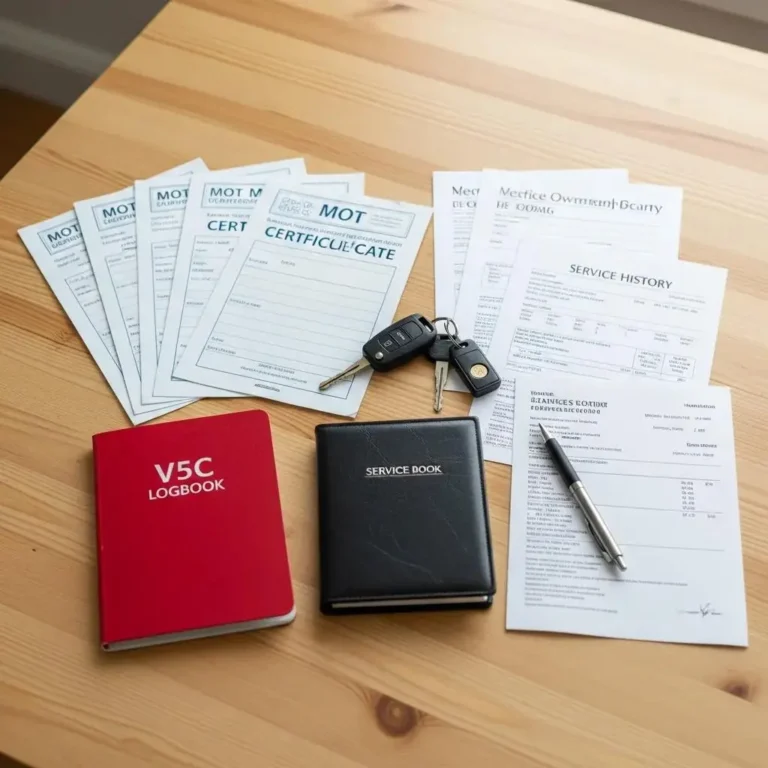
Do an exterior and interior clean, remove personal items, photograph key areas and faults, and gather documents like the V5C, MOT certificates and any receipts.
A little time here can speed up offers from as-is buyers and help them visualise the van’s condition more clearly.
- Clean interior and exterior: Better first impressions and clearer photos.
- Take clear photos: Include the odometer, engine bay, damage and overall condition.
- Gather documents: V5C, MOT and any receipts improve transparency.
Good presentation builds buyer trust, sets realistic expectations and reduces negotiation friction so the sale completes faster.
Why Cleaning Still Helps Even Without Servicing
Cleaning changes buyer perception immediately: a tidy van suggests basic care and makes buyers more comfortable even if there are mechanical faults. It’s psychological, less visible neglect lowers the bar for offers and can speed up the sale.
Easy tips: vacuum, remove stains, wash the exterior and clean key surfaces for photos. Modest presentation improvements often shorten time on the market and smooth negotiations with buyers who purchase as-is. If you’re ready to sell quickly, get an instant quote from Cash Your Vans for a straightforward, no-repair sale.
Frequently Asked Questions
What Are The Risks Of Selling A Van Without Servicing?
Selling without a service can lead to lower offers and more buyer questions because of perceived hidden faults.
If the van has significant mechanical issues and you don’t disclose them, that can cause disputes after the sale. Be transparent about conditions and document known faults to reduce those risks and make the sale smoother.
How Can I Determine The Right Buyer For My Unserviced Van?
Look for companies or buyers who state they buy vehicles “as‑is”, their price based on current condition, mileage and parts/refurbishment value rather than demanding a full service history. Check reviews, compare instant quotes and choose a buyer who offers clear, up‑front terms for as‑is sales.
What Documentation Do I Need To Provide When Selling My Van?
Key documents are the V5C registration certificate, any MOT certificates and any service records you have. Also prepare a clear description of the van’s condition, including known faults or damage. Having these ready builds trust and speeds up the sale.
How Does The Age Of My Van Affect Its Resale Value?
Age significantly affects value, older vans typically depreciate faster and attract lower offers. A strong service history can help, but for high-mileage or older vans, mechanical condition usually matters more than paperwork. Know the market for your model and set realistic expectations.