Yes, you can sell a van with no road tax in the UK, but you must follow specific legal rules and a few simple steps before ownership changes hands. Untaxed vehicles must not be driven on public roads, so most sales are collection-only, handled by a recovery service, or completed after the seller declares a SORN.
Today, this guide explains the legal requirements, how the DVLA handles transfers, common seller headaches, and practical fixes so you can complete a fast, compliant sale.
Below you’ll find sections on legality, DVLA notification, buyer concerns, transport and testing, and how Cash Your Vans makes selling an untaxed or SORN vehicle straightforward.
What Are The Legal Steps To Sell A Van Without Road Tax?

Selling an untaxed van requires you to understand Vehicle Excise Duty (VED), SORN rules, and the V5C transfer so the sale is legal and you’re protected. Road tax (VED) belongs to the vehicle and does not transfer with ownership; if tax was paid in advance, you may be entitled to a refund once the DVLA is notified.
Complete the V5C transfer correctly, tell the DVLA promptly, and do not drive the untaxed vehicle on public roads. The table below summarises how the requirements change with tax and SORN status.
| Sale Scenario | Key administrative requirement | Practical impact |
|---|---|---|
| Taxed van | Complete the V5C transfer and inform the DVLA | Buyer can drive once insured and taxed |
| Untaxed van | Arrange collection; notify the DVLA; don’t drive the van | Seller must transfer ownership and may be able to claim a refund |
| SORN-declared van | SORN stays until the buyer taxes it; notify the DVLA on sale | Vehicle can’t be driven, buyer arranges transport |
Given these differences, have the V5C ready, be upfront about the MOT and condition, and arrange collection or recovery rather than trying to drive an untaxed van to a buyer.
What Is Vehicle Excise Duty (VED) And Why Does It Matter
Vehicle Excise Duty (VED), commonly called road tax, is charged on the vehicle and funds vehicle licensing. VED does not transfer to a new owner when a vehicle is sold; any remaining tax can be refunded to whoever paid it once the DVLA records the sale.
That means buyers must tax the vehicle themselves before driving it. Sellers should complete the V5C transfer and notify the DVLA to trigger any refund and remove future liability. Knowing VED rules helps you set realistic price and collection expectations.
Selling A Van With No Road Tax Or Mot
Yes, you can legally sell a van without road tax or an MOT, but the vehicle must not be driven on public roads, and both parties must be clear on its condition and how it will be transported. Selling without an MOT is common for project vans or non-runners, and the sale price will usually reflect repair and MOT costs.
Most buyers will collect using a recovery vehicle, or you can sell to a buyer who offers free collection to avoid moving the van yourself. Honest descriptions and clear paperwork reduce disputes and make the DVLA transfer smoother.
How The DVLA Process Affects The Sale Of Untaxed And Sorn Vans
The DVLA’s records, the V5C transfer, and any SORN declaration determine legal responsibility after a sale, so following the correct DVLA steps protects both the seller and the buyer. Notifying the DVLA promptly using the V5C (or online where available) removes your liability for road tax or penalties and starts any refund for unused tax.
The buyer should get the new keeper slip or updated V5C details so they can tax the vehicle before using it on the road. Follow these steps to notify the DVLA and transfer ownership.
- Complete the relevant section of the V5C with the buyer’s details and the sale date.
- Submit the V5C notification to the DVLA (online if possible) and give the green new keeper slip to the buyer.
- Keep proof of the sale and the date; any tax refund will be processed after the DVLA updates its records.
Notifying the DVLA quickly reduces the risk of fines or penalties in your name and helps the buyer tax the vehicle before they use it.
Sorn And Its Effect On Selling Your Van
A SORN (Statutory Off Road Notification) confirms that a vehicle is kept off public roads and removes the need to pay VED while it remains off the road. SORN doesn’t stop you from selling the vehicle, but it does mean the van cannot be driven on the road until it’s taxed again by the new owner.
If the van is SORN at sale, make that clear in your listing; the buyer will need to tax it before driving unless they collect it using private land or a recovery service. Clear communication about SORN status and paperwork builds buyer confidence despite the restriction.
How To Notify The DVLA When Selling A Van Without Road Tax
Notifying the DVLA requires accurate buyer details, a completed V5C transfer, and clear proof of sale so the DVLA can update records and process any tax refund. Essential details are the buyer’s name and address, the date of sale, and the vehicle information from the V5C; mistakes slow things down and can leave you exposed.
After you notify the DVLA, keep the receipt or reference and check for a tax refund once the transfer is recorded. Use this short checklist to avoid missing anything.
- Complete the V5C sections with accurate buyer information.
- Keep dated proof of the sale and any messages with the buyer.
- Confirm and record the vehicle’s SORN status for the buyer.
Completing these steps promptly ends your responsibility and lets the buyer tax and insure the vehicle before any legal use.
What Challenges Do Sellers Face When Selling Untaxed Or Sorn Vans?

Selling an untaxed or SORN van brings practical and market challenges: buyer hesitation, difficulty arranging viewings or test drives, transport logistics, and lower offers that reflect repair and compliance costs.
Buyers discount untaxed or no-MOT vans because of the likely cost of repairs, MOTs, and transport, which can lengthen negotiations.
Clear paperwork, good photos, and honest descriptions reduce suspicion and open options like collection-only sales or specialist buyers who accept all conditions.
Below are common problems and pragmatic ways to handle them.
- Buyer reluctance: Be upfront about the vehicle’s history and offer collection so buyers aren’t expected to drive it away.
- Transport logistics: Use recovery or paid collection services to remove the vehicle legally and safely.
- Valuation shortfalls: Set a realistic price that reflects MOT and repair costs, and supply service and repair receipts where possible.
Buyer Reluctance Towards Untaxed Vans
Buyers worry about hidden faults, not being able to test-drive, and the admin involved in taxing and insuring an untaxed van. The expected cost to make the van roadworthy, MOT, mechanical work, and transport- influences offers, so many buyers ask for discounts or collection-only terms.
Being transparent about the condition, recent servicing, and known faults reduces haggling and builds trust. Offering clear transport options and paperwork can turn a wary buyer into a motivated one.
How To Overcome Transport And Testing Challenges With Untaxed Vans
To move and inspect untaxed vans, arrange professional recovery, use buyer collection services, or conduct inspections on private land where the van can be legally moved. Recovery and collection remove the legal risk of driving an untaxed vehicle and make it easier for buyers. Mobile mechanics or on-site checks give buyers confidence.
Have the V5C, keys, and good photos ready, and agree on a clear collection time to keep the process smooth. These steps reduce friction and speed up the sale.
How Cash Your Vans Makes Selling A Van With No Road Tax Easier
Cash Your Vans specialises in buying vans, trucks, and motorhomes across the UK and provides a fast route for sellers of untaxed or SORN vehicles. Their offer is simple: instant, no-obligation quotes online; free nationwide collection; and immediate payment by cash or bank transfer at collection, ideal when a vehicle can’t be driven.
They buy vans in any condition, including untaxed vehicles, MOT failures, damaged units, and non-runners, and help with the paperwork to remove many typical seller headaches. Get an instant quote.
| Selling option | Speed | Collection | Paperwork | Suitability for untaxed/SORN vans |
|---|---|---|---|---|
| Private sale | Slow to moderate | Buyer arranges collection | Seller manages the V5C | Possible but often complicated |
| Advertised dealer sale | Moderate | Often, the buyer arranges collection | The dealer handles some paperwork | Varies by dealer |
| Cash Your Vans | Fast | Free nationwide collection | Minimal paperwork with help | Well-suited to untaxed or SORN vans |
Process For Selling Any Van, Including Untaxed Or Sorn Vehicles
When you sell to a specialist buyer, the steps are straightforward: get an instant online quote, accept the offer, book a free collection, and then receive payment on collection. The same flow applies whether the van is taxed, untaxed, SORN, damaged, or a non-runner.
You’ll provide the registration, condition notes, and V5C details for an accurate quote, then pick a convenient collection time. On collection, the buyer completes the paperwork, checks identity and ownership, and pays by cash or bank transfer as agreed.
This minimises travel, paperwork, and risk for you.
Benefits Of Using Cash Your Vans For Untaxed Vans
Using a buyer that accepts vans in any condition gives you practical benefits: speed, no need to organise transport, transparent offers that reflect the van’s condition, and help with paperwork so you aren’t left managing DVLA notifications alone.
Free nationwide collection removes the legal and logistical problem of moving an untaxed or SORN vehicle, and instant payment at collection gives certainty. You’ll save time, avoid drawn-out negotiations, and reduce the risk of unpaid deposits or no-shows common in private deals.
For many sellers, a simple offer plus collection and immediate payment is the fastest, lowest-risk way to turn an untaxed van into cash. Get an instant quote.
Frequently Asked Questions
Can I Sell My Untaxed Van If It Has Outstanding Finance?
Yes, you can, but you must tell the buyer about any finance agreement. The finance company usually retains ownership until the debt is paid off. Contact your finance provider to get a settlement figure or arrange for the finance to be cleared so the sale can proceed legally. Being upfront protects you and the buyer and avoids future complications.
What Should I Do If My Untaxed Van Is Not In A Drivable Condition?
If the van isn’t drivable, you still have options: sell it for parts, to a scrap dealer, or to a specialist buyer who handles non-runners. Be honest about the condition in your listing to attract the right buyers. Using a collection service is often the easiest path; they’ll pick up the vehicle without you having to drive it, keeping you on the right side of the law.
How Can I Determine The Value Of My Untaxed Van?
Value depends on the make, model, year, condition, and market demand. Check similar listings online and use valuation sites for guidance. Be realistic about costs for repairs or an MOT, since these reduce the price buyers are willing to pay. A full service history and clear receipts can help secure a better offer.
What Paperwork Do I Need To Prepare For Selling My Untaxed Van?
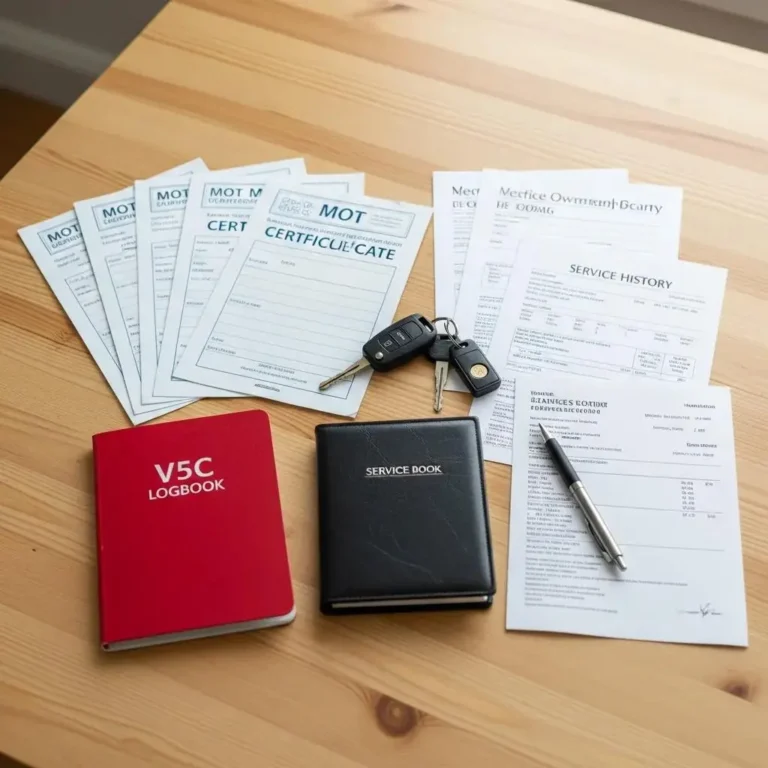
The key document is the V5C registration log; complete it with the buyer’s details. Also, gather service history, MOT certificates (if any), and receipts for repairs or parts. Keep dated proof of the sale and note if the vehicle is SORN. Having paperwork ready speeds up the sale and gives buyers confidence.