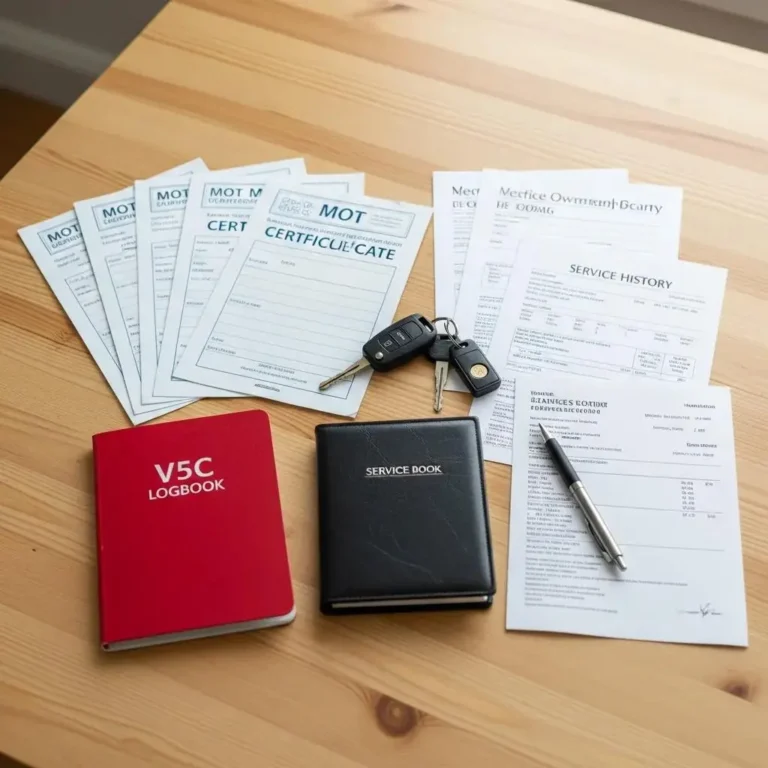
A lot of people ask: “Can I scrap my van if I don’t have the V5C?” The short answer is yes, you can sell or scrap a van without the logbook, but you must be able to prove ownership and follow the DVLA notification process with a legitimate buyer.
This guide explains what the V5C is, which alternative documents usually work, how to notify the DVLA if the logbook is missing, and which organisations can legally take your vehicle.
You’ll get clear, step-by-step actions to complete a lawful scrappage or sale in the UK, plus tips on choosing a buyer who handles paperwork and collection.
What Is A V5c Logbook And Why Does It Matter?
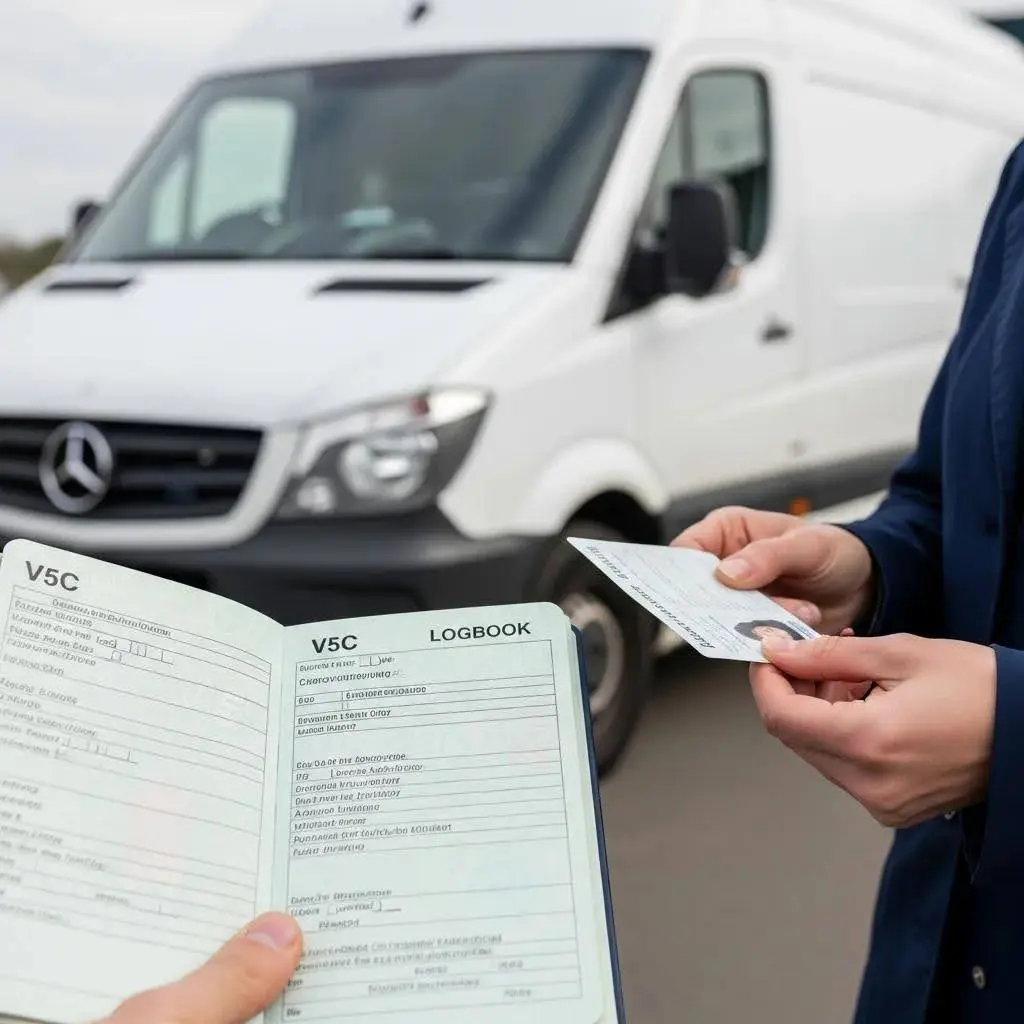
The V5C is the DVLA’s registration document. It records the vehicle’s registration number, VIN, and the registered keeper’s name and address, making it the main administrative record used when a van is transferred or disposed of.
Because the DVLA uses the V5C to confirm who’s responsible for a vehicle, having it speeds up ownership checks and helps resolve tax or liability questions when the van changes hands.
Without the V5C, buyers and scrappers will need other evidence of ownership and may ask for extra paperwork so DVLA or compliance teams can complete their checks.
Knowing what the V5C does helps sellers avoid delays, and if you’d rather have a streamlined route when the logbook is missing, you can get an instant quote.
Information Your V5c Contains About Your Van
The V5C shows the vehicle registration number, the vehicle identification number (VIN), the registered keeper’s name and address, plus basic details like make, model, and colour. These details let buyers, authorities, and the DVLA match the physical van to the correct record and trace the keeper responsible for tax and notifications.
Getting the VIN and registration number right is especially important when ownership is in doubt; the VIN is the definitive physical identifier. Understanding these details makes it easier to assemble alternative documents that replicate the V5C’s verification role when the logbook is lost.
The DVLA’s Role In Vehicle Registration
The Driver and Vehicle Licensing Agency (DVLA) keeps the UK’s official vehicle register, updates keeper details, and processes notifications when vehicles are sold, transferred, or scrapped. Notifying the DVLA after a sale or scrappage helps ensure you aren’t held liable for future tax, fines, or offences linked to that vehicle.
The DVLA can also issue or replace documents where appropriate and record Certificates of Destruction supplied by authorised treatment facilities.
Knowing the DVLA’s role explains why a written notification or record of sale is recommended if you’re disposing of a van without a V5C, which leads into the practical steps below on how to complete the disposal legally.
How Can I Scrap My Van Without A V5c Logbook?
You can legally scrap or sell a van without its V5C by collecting alternative proof of ownership, choosing a reputable buyer or an Authorised Treatment Facility, and notifying the DVLA in writing with clear vehicle and buyer details. The process is straightforward:
gather ID and vehicle documents, find a buyer or ATF that accepts vehicles without the logbook, send a DVLA notification letter or use the buyer’s paperwork, and keep copies and proof of collection or destruction. Below is a practical checklist to follow when the V5C is missing.
- Collect alternative documents that prove ownership or your link to the van.
- Contact a buyer, scrapper, or ATF that accepts vehicles without a V5C and can provide a Certificate of Destruction (CoD) or a sale receipt.
- Notify the DVLA in writing with the vehicle registration, VIN (if known), your name, and the buyer/ATF details; keep proof of postage or a digital confirmation.
- Keep all paperwork and receipts until the DVLA confirms the change or the ATF issues a CoD.
These steps help protect you legally and ensure there’s a clear record before you hand the van over. If you’d prefer a practical option that covers missing V5C cases, including paperwork and collection, you can get an instant quote.
Alternative Proof Of Ownership
When the V5C is unavailable, buyers and ATFs usually accept a combination of photo ID, proof of address, vehicle documents, and sale receipts to establish ownership.
Useful items include a passport or driving licence, a recent utility bill or bank statement for address, an MOT certificate, insurance documents showing the vehicle registration, and any purchase invoice or receipt.
Presenting several documents that match on name, address, and registration makes acceptance more likely and speeds up checks. The table below summarises common documents, what they prove, and practical notes for acceptance.
Acceptable Documents to Help Prove Ownership:
| Document | What It Proves | Practical Notes |
|---|---|---|
| Passport or Driving Licence | Photo ID and name match | Use the same name as shown on the sale paperwork |
| Utility Bill or Bank Statement | Proof of address | Use documents dated within the last 3 months, where possible |
| MOT Certificate | Vehicle details and registration number | Supports VIN/registration match when the V5C is missing |
| Insurance Certificate | Evidence that the vehicle was insured by you | Shows an active link to the registration and the keeper |
| Purchase Invoice/Receipt | Proof of transaction | Useful if the sale was recent or the invoice is in your name |
Using a combination of these documents makes the process smoother when selling without a logbook and gets you ready for the DVLA notification explained next.
Notifying The DVLA when Scrapping Without A V5c

If you can’t produce a V5C, notify the DVLA in writing with your name and address, the vehicle registration, the VIN (if known), the date of sale or scrappage, and the buyer or ATF’s details. Keep copies and proof of postage for your records.
A short, factual letter should list your details, vehicle identifiers, the buyer or facility name, and the date, and include any reference or sale receipt number given by the buyer.
Sending this notification helps protect you from future liability and helps the DVLA update its records when a formal V5C is later issued or when a CoD arrives from an ATF.
Keep all correspondence, ask for written confirmation of receipt, or request that the buyer confirm they will notify the DVLA on your behalf.
Who Can Help Me Scrap My Van Without A V5c?
There are a few lawful options: an Authorised Treatment Facility (ATF) that issues a Certificate of Destruction, a licensed dealer or scrapper that accepts vehicles without a logbook, or a direct vehicle buyer who specialises in vans in any condition.
To pick a reputable provider, check their ATF status, ask for a CoD or sale receipt, and confirm they will handle DVLA notification or supply the correct paperwork. The checklist below shows what to look for.
- Check for an ATF licence or ask for a Certificate of Destruction when the vehicle is scrapped.
- Request written confirmation of sale, collection details, and payment terms.
- Choose providers that offer free collection and accept non-runners or damaged vans where possible.
These checks help you stay legally compliant and protect you from future claims; next, we explain what an ATF does and why it matters.
Understanding Authorised Treatment Facilities
An Authorised Treatment Facility (ATF) is a licensed site that processes end‑of‑life vehicles, removes hazardous materials, recycles components, and issues a Certificate of Destruction confirming lawful disposal. ATFs follow environmental and regulatory standards, keep records of destroyed vehicles, and provide the documentation the DVLA needs.
Choosing an ATF means your van is disposed of responsibly, and you receive the paperwork that ends your legal responsibility. The table below compares provider types and when each is appropriate.
| Provider Type | Attribute | Best Use |
|---|---|---|
| Authorised Treatment Facility (ATF) | Issues a Certificate of Destruction and meets regulatory requirements | Use for permanent scrappage and environmental compliance |
| Licensed Dealer/Scrapper | May buy or arrange recycling; can assist with DVLA paperwork | Use if repair or resale is possible |
| Direct Vehicle Buyer | Instant purchase, accepts damaged or non-running vans | Use for a quick sale and convenient collection |
How Cash Your Vans Simplifies Selling Without A Logbook
Cash Your Vans is a UK company that buys vans, trucks, and motorhomes in any condition, including MOT failures, damaged vehicles, and non-runners. They provide an instant quote, free nationwide collection, accept vehicles without a V5, and offer a fast, hassle-free experience.
Their process usually includes a quick valuation, paperwork help, and collection, which reduces admin for sellers missing the logbook. If you want a direct solution after preparing your alternative documents and DVLA notification, you can get an instant quote.
Frequently Asked Questions
What Should I Do If I Can’t Find My V5c Logbook?
If you can’t find your V5C, you can still sell or scrap the van by gathering alternative proof of ownership, for example, a driving licence, passport, recent utility bill, or an MOT certificate.
Contact a reputable buyer or an Authorised Treatment Facility (ATF) that accepts vehicles without a V5C, and make sure you notify the DVLA in writing about the sale or scrappage so you aren’t held liable afterwards.
Can I Scrap My Van If It Has Outstanding Finance?
It’s not advisable to scrap a van with outstanding finance. The finance company usually retains ownership until the debt is settled, so scrapping could lead to legal issues. Contact your finance provider to agree on the next steps, which might mean settling the debt or getting permission to sell. Always resolve any financial obligations before proceeding.
How Long Does It Take To Receive A Certificate Of Destruction?
After your van is scrapped at an Authorised Treatment Facility (ATF), you should receive a Certificate of Destruction (CoD) within a few days in most cases. Times can vary by facility and their internal processes. Keep a copy of the CoD, it’s your proof that the vehicle was disposed of legally and helps when notifying the DVLA.
What Happens If I Don’t Notify The DVLA after Scrapping My Van?
If you don’t notify the DVLA after scrapping your van, you could remain liable for road tax, fines, or offences related to the vehicle. The DVLA needs to update its records to show you’re no longer the registered keeper. If no notification is made, you might receive letters about the vehicle, which can be confusing and could affect your records.