Selling your van starts with a few quick checks that protect you legally, speed up the sale, and improve the price. This guide explains what to inspect, why each check matters, and how to record the condition clearly for private buyers or specialist purchasers.
You’ll get a short, practical pre-sale checklist covering exterior, interior, mechanical, and paperwork items, simple DIY inspection steps, and clear guidance on when to repair versus sell as-is.
There’s also advice for damaged or non-running vans and how specialist buyers can reduce hassle and risk. You’ll find step-by-step checks, comparison tables for common mechanical items and documents, photo and listing tips, and what to do if you want an instant quote.
Key checks to do before you sell your van
A quick, focused inspection shows buyers what matters most and helps you be honest while getting the best possible price. The main checks are visual bodywork, interior condition and electrics, basic under-bonnet checks, and gathering ownership and service documents.
Each one reduces uncertainty and supports a fair valuation because it shows you’ve assessed the vehicle.
Use the short checklist below before booking any viewings or valuation appointments.
- Walk around the exterior for rust, dents, and windscreen chips, and note the biggest issues.
- Check the interior for cleanliness, working electrics, and that all safety equipment is present.
- Verify fluid levels and battery condition, and check for any dashboard warning lights.
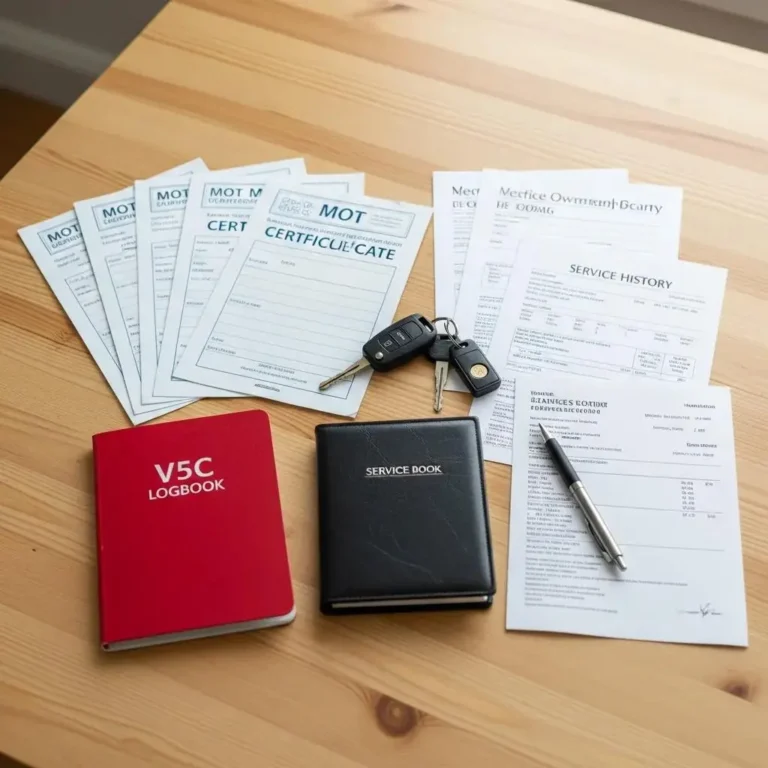
- Gather paperwork: V5C log book, MOT status and history, and any service receipts.
- Photograph damage and state whether the van is drivable or needs recovery.
Those five steps give a fast snapshot of the condition and make valuations and listings much smoother. The sections below explain how to inspect the exterior and interior in practical detail.
Inspecting your van’s exterior and bodywork before sale
Buyers notice the exterior first, and it strongly affects perceived value. Do a walk-around in good daylight: check panel gaps, look for rust bubbling at the wheelarches and sills, spot dents that catch the eye, and test all external lights.
Take photos of corrosion, dents, and windscreen chips from several angles so buyers can see size and location, which speeds up honest offers. Simple, low-cost fixes like replacing bulbs or cleaning grime around badges can make a big difference for little cost.
Clear exterior photos and notes also help when dealing with specialist buyers; they reduce repeat inspections and make it easy to decide if the van is drivable or needs collection.
Interior and cab checks to complete before selling
The inside affects buyer confidence and suggests how the van has been looked after. Vacuum and wipe surfaces, treat or replace heavily soiled seat covers, and remove personal items and strong odours.
Test dashboard lights, horn, heater, and main controls so you can report faults accurately, and check that the spare wheel, jack, and warning triangle are present. Photograph the cab and load area to show usable space and any stains or wear that might affect value.
A tidy, well-documented interior signals care and cuts down buyer suspicion about hidden issues, making negotiations quicker and smoother.
Which mechanical and under‑bonnet checks matter most before selling?
Simple mechanical checks confirm basic roadworthiness and highlight whether a professional’s attention is needed, both of which affect offers. Under the bonnet, focus on fluids, the battery, and obvious warning signs.
Separately, check brakes and tyres for safety and legality. The table below summarises common checks so you can compare conditions at a glance before viewings or valuations.
| Component | What to check | What the condition indicates |
|---|---|---|
| Battery | Terminals clean, no heavy corrosion, engine starts promptly | A healthy battery supports reliable starts; corrosion points to maintenance needs |
| Engine oil | Level on dipstick and colour (no milky appearance) | Low or dirty oil suggests overdue service or possible leaks |
| Coolant | Level in the overflow bottle and no visible leaks | Low coolant can indicate leaks or an overheating risk |
| Brake fluid | Level in the reservoir and colour (not very dark) | Low or dark fluid can mean wear or overdue maintenance |
| Belts & hoses | Visible cracks, fraying, or swelling | Ageing parts may need replacing and affect reliability |
Use this table to prioritise checks and to decide what to disclose to buyers. The next section gives simple, safe steps most owners can do themselves.
Quick checks for engine, fluid, and battery condition
A few non‑technical checks under the bonnet remove many buyer concerns. With the engine cold and the van on level ground, check the oil on the dipstick; it should be at the correct level and not milky.
Check the coolant in the overflow bottle for level and leaks, and look at belts and hoses for cracks or swelling. For the battery, ensure terminals are tight and mostly clean, and note if the starter is slow. A short note to buyers about battery condition is useful.
If you spot low fluids or worrying signs, disclose them when asking for valuations. A quick garage check can confirm whether a top‑up or minor service is all that’s needed before sale.
Basic brake and tyre checks to perform
Tyres and brakes are vital for safety and can affect offers or viewings. Check tyre tread depth across the main grooves (a 20p test or tread gauge works) and look for sidewall cuts or bulges that make a tyre unsafe.
Note the legal minimum tread depth for buyers. For brakes, listen for unusual noises, feel for vibration when braking, and note any soft pedal feel. Visible pad thickness through the wheel is a useful indicator, even if full measurements need a mechanic. Photograph tyre sizes and any visible wear patterns for honest listings.
Disclosing tyre and brake condition prevents surprise deductions at valuation and helps specialist buyers plan collection if the van isn’t drivable.
What documents should you prepare when selling your van in the UK?
Good paperwork proves ownership, shows maintenance, and speeds legal transfer, all of which support higher offers. Essential documents are usually the V5C log book, current MOT certificate or MOT history, and any service records or receipts. The table below explains each document and why it matters to buyers and valuers.
| Document | Purpose | Why it matters |
|---|---|---|
| V5C (log book) | Shows registered keeper details | Needed to transfer ownership and build buyer confidence |
| MOT certificate/history | Record of roadworthiness and failures/passes | A recent pass or full history reassures buyers and improves value |
| Service history & receipts | Record of maintenance and repairs | Demonstrates care and can increase the price or reduce negotiation |
| Purchase invoices | Proof of parts or major repairs | Helps verify significant work and justify higher offers |
Essential paperwork to gather: V5C, MOT, and service history
Start by finding the V5C and checking the vehicle details match the van and your listing: names, addresses, and VIN. Check MOT status and history online and collect recent MOT certificates; if the van failed, note failed items and whether it’s driveable.
Gather service invoices and receipts for parts or major repairs; these can materially affect valuation. If anything’s missing, note next steps (apply for a replacement V5C or print MOT history) and be honest with buyers about what’s unavailable.
| Document | Attribute | Why it matters |
|---|---|---|
| V5C | Proof of ownership and registered keeper | Needed to transfer the vehicle and reassure buyers |
| MOT | Record of roadworthiness and expiry date | A current pass increases value; a fail reduces offers |
| Service history | Dates, mileages, and works carried out | Shows maintenance and supports a higher valuation |
This gives a compact view of what each document does. Next, follow the legal DVLA notification steps when the sale completes.
Notifying DVLA and handling legal steps after the sale
Notifying the DVLA and completing transfer steps protects you from future liability and is straightforward. After the sale, inform the DVLA of the change of keeper using the V5C or the online service, and keep a copy of the notification or the green “sold” slip.
Keep a written record of the sale date, buyer details, and agreed price, and complete export or scrap paperwork if those apply. Accurately describing defects in adverts or forms reduces the risk of post‑sale disputes and meets legal expectations for honest representation.
Prompt DVLA notification protects you and helps you hand over keys and documents with confidence, which is especially useful when selling privately or to a specialist buyer.
Should you service or repair your van before selling?
Whether to repair before selling depends on the fault, repair cost, and likely value uplift. Routine maintenance often delivers small returns; major repairs can be uneconomic.

Compare repair estimates with the likely increase in sale price and whether repairs will sell the van faster. The table below compares common minor repairs and their typical impact to help decide where to invest before listing.
| Repair or Action | Typical Cost | Typical impact on sale/value |
|---|---|---|
| Oil change & basic service | Low (garage or mobile) | Small uplift; improves buyer confidence |
| New tyres (one or two) | Medium | Noticeable effect on safety and valuation if tread is low |
| Replacing bulbs & wipers | Very low | Improves presentation for minimal cost |
| Fixing a major engine fault | High | Often won’t return full cost; selling as‑is to a specialist may be better |
When servicing is worth doing to improve the sale value
A full service or repair pays off when the issue significantly reduces buyer interest or safety, for example, engine misfire, serious braking faults, or dangerous tyres. Routine servicing (oil, filters, and basic checks) usually costs little and removes common buyer objections.
Large gearbox or engine repairs rarely return full value unless the van is in demand. If repair costs approach market discounts for that fault, consider selling to a specialist buyer instead.
How minor repairs and cleaning affect sale success
Minor repairs and a thorough clean are low‑cost steps that often give big benefits in sales speed and price. A good interior and exterior clean, replacing blown bulbs, setting correct tyre pressures, and touching up small marks improve first impressions and reduce buyer negotiation points.
Photos taken after cleaning perform much better online and attract more enquiries, which can lead to quicker, higher offers. For older or high‑mileage vans, listing quality and small fixes usually pay off more than expensive mechanical work.
Small investments in presentation and minor maintenance boost perceived value and shorten time on the market. Decide on larger repairs after weighing cost against likely value uplift.
How to sell a damaged or non‑running van without extensive checks
Even damaged or non‑running vans can sell quickly if you focus on a few essential checks and clear documentation rather than full repairs. Specialist buyers will take vans in any condition, but you should still document condition, ownership, and whether the vehicle is driveable or needs recovery.
The short checklist below covers the minimum checks that matter for damaged or MOT‑failed vans to get an accurate instant valuation or recovery quote.
- Photograph all visible damage from multiple angles, including interior, engine bay, and underside, if you can.
- Confirm ownership documents and note anything missing; state MOT failure reasons if known.
- Say whether the van starts, rolls freely, or needs recovery, and list obvious hazards (fluid leaks, exposed airbags).
- Declare flood, fire, or structural damage clearly; these greatly affect offers and recovery costs.
Simple checks that still matter for damaged or MOT‑failed vans
For extensively damaged or non‑running vans, a few straightforward checks protect you and speed up offers. Verify V5C details if available and take clear photos of damage, including a visible VIN and registration plate to confirm identity.
Note whether the van will start, can be rolled, or needs winching, which affects collection logistics and cost. List obvious hazards like exposed wiring, fluid pooling, or crushed structural parts so that offers reflect the true condition.
Honest documentation reduces back‑and‑forth and speeds up instant valuations or collections from specialist purchasers while protecting you from later disputes.
How Cash Your Vans makes selling vans simple in any condition
Free collection removes the hassle of delivering a damaged or non-running van and is especially valuable for high-mileage or non-driveable vehicles. When a buyer organises collection and recovery, you avoid hiring recovery services and coordinating drop-offs, saving time and cost.
Paperwork handling cuts legal risk by ensuring DVLA notification and ownership transfer are done correctly, so you don’t need to manage forms or chase signatures. For many sellers, the time saved and certainty of completion outweigh small price differences between routes.
What are the benefits of using a specialist buyer for your van sale?
Selling to a specialist buyer cuts time, effort, and uncertainty compared with private sales. Specialists give instant valuations that consider age, mileage, and condition, arrange collection (including recovery), and complete paperwork to transfer ownership quickly. The list below summarises the main benefits so you can compare options easily.
- Fast, often instant quotations based on condition and key details.
- Free nationwide collection and recovery for non‑runners.
- Same‑day payment where logistics and paperwork allow.
- Paperwork handling and DVLA notification to reduce seller admin.
These advantages often make selling as‑is the better option rather than spending time and money on uncertain repairs. The sections below outline valuation factors and logistics in more detail.
Instant valuation and same‑day payment: how it works
An instant valuation uses the vehicle details, condition notes, and mileage to give an initial offer, with final confirmation after inspection or collection. Offers take into account age, mileage, service history, and visible damage, and may be adjusted slightly on inspection.
Honest condition notes reduce revisions. Same‑day payment is possible when paperwork is ready, and collection can be scheduled; payments are usually completed at collection.
Knowing what affects valuations helps set expectations when comparing private sales, trade‑ins, and specialist offers.
Why does free nationwide collection and paperwork handling matter?
Free collection removes the hassle of delivering a damaged or non‑running van and is especially valuable for high‑mileage or non‑driveable vehicles. When a buyer organises collection and recovery, you avoid hiring recovery services and coordinating drop‑offs, saving time and cost.
Paperwork handling cuts legal risk by ensuring DVLA notification and ownership transfer are done correctly, so you don’t need to manage forms or chase signatures. For many sellers, the time saved and certainty of completion outweigh small price differences between routes.
Cash Your Vans offers you an easy way to sell your vans, trucks, and motorhomes in any condition, with free nationwide collection, same‑day payment where feasible, and full paperwork handling to simplify the sale. If you want a quick sale without repairs or servicing, getting an instant quote is a sensible next step.
Frequently Asked Questions
1. How do I determine the right price for my van before selling?
Start by checking similar models in your area to see the current asking and sold prices. Sites like AutoTrader and eBay Motors are useful. Factor in age, mileage, condition, and any recent repairs or upgrades.
If you’re unsure, a professional valuation or a specialist buyer’s instant quote will give a clear benchmark so you can set a competitive, realistic price.
2. What should I do if I have lost my V5C log book?
If the V5C is lost, apply for a replacement from the DVLA using form V62 (online or by post). There’s a small fee, and it can take a few weeks. Be open with potential buyers about the missing document; many will still buy if you can provide other records, or you can sell to a specialist who accepts incomplete paperwork.
3. Are there any legal obligations I need to be aware of when selling my van?
Yes. You must accurately describe the vehicle and notify the DVLA of the change of keeper using the V5C. Provide relevant documents like the MOT and service history if available. Avoid misrepresentation; being honest about defects prevents disputes after the sale.
4. How can I make my van more appealing to potential buyers?
Focus on presentation and transparency. Clean the interior and exterior, fix small issues (bulbs, wipers, tyre pressures), and take clear photos from several angles. Provide a concise description of features, recent maintenance, and any faults. A fair asking price and honest listing build trust and attract serious buyers.