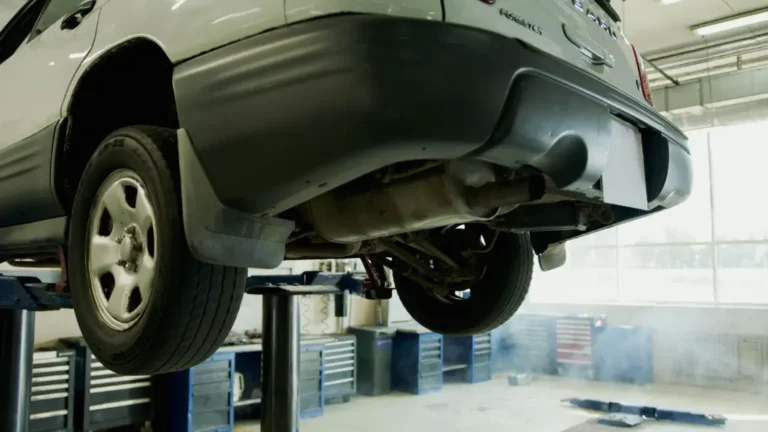
Sustainable logistics is becoming increasingly important for UK businesses operating commercial vehicles. Rising fuel costs, emissions rules, vehicle efficiency, maintenance, and changing fleet technology are encouraging companies to review how vans are used and replaced.
A greener fleet can involve electric vehicles, better route planning, reduced mileage, improved load management, and regular maintenance. When older vans become costly or inefficient, selling may be practical. Cash Your Vans buys commercial vehicles in many conditions, with free nationwide collection and same-day payment.
Sustainable Fleet Management Starts With Understanding How Vans Are Actually Used
A sustainable fleet strategy should begin with the journeys a business actually completes. A local delivery company operating predictable routes may have very different requirements from a builder carrying heavy equipment between sites or a national service business covering hundreds of motorway miles each week.

Fleet managers should consider factors such as:
- Average daily mileage
- Payload requirements
- Typical route length
- Urban or motorway use
- Access to charging
- Vehicle downtime
- Fuel consumption
- Maintenance costs
- Replacement cycles
Choosing the wrong vehicle can increase operating costs even when that vehicle appears environmentally attractive on paper. For example, an electric van may suit predictable urban deliveries where the vehicle returns to the same depot every evening. A business completing long-distance journeys with limited charging access may need a different approach.
Whole-life vehicle costs provide a clearer picture than purchase price alone
The purchase price represents only one part of the cost of operating a commercial van. Businesses should also consider fuel or electricity, servicing, tyres, repairs, insurance, road charges, downtime, depreciation, and eventual resale value.
A newer and more efficient van may cost more initially but could reduce operating costs over several years. An older van with a low purchase price may become expensive if fuel consumption rises or mechanical repairs become frequent. Looking at the full operating cycle helps fleet managers make better long-term decisions.
Electric Vans Can Support Lower-Emission Commercial Operations
Battery-electric vans are becoming increasingly visible across the UK commercial vehicle market. They can be particularly suitable for businesses completing regular routes where daily mileage is predictable, and vehicles return to a home, depot, warehouse, or business premises where charging is available.
Potential advantages include:
- No tailpipe emissions while driving
- Lower dependence on diesel
- Quieter operation
- Potentially lower routine drivetrain maintenance
- Suitability for repeated urban journeys
However, an electric vehicle is not automatically the right choice for every commercial operation. Payload, driving range, charging time, route length, weather, towing requirements, and available charging infrastructure all need to be considered.
Charging infrastructure should be planned before electric vans are added to a fleet
Businesses considering electric vans should assess where and when vehicles will charge. Depot charging can be practical for vehicles returning to the same base every night. Drivers taking vans home may require access to suitable domestic or workplace charging arrangements.
Businesses relying heavily on public charging should also consider charger availability, charging speed, route disruption, and the time vehicles may spend away from productive work. A successful transition therefore requires more than simply purchasing electric vans. Charging needs to become part of the fleet’s normal operating plan.
Better Route Planning Can Reduce Fuel Consumption and Unnecessary Mileage
Not every sustainable logistics improvement requires replacing a vehicle. Better route management can reduce unnecessary mileage before any major fleet investment takes place. Businesses can review delivery schedules, customer locations, traffic patterns, depot locations, and the order in which jobs are completed.
Reducing repeated journeys can help lower:
- Fuel consumption
- Electricity use
- Driver hours
- Vehicle wear
- Tyre wear
- Maintenance requirements
Even relatively small improvements become significant when multiplied across several vans operating throughout the year.
Combining deliveries and improving load planning can make each journey more productive
Poorly planned loads can result in vans travelling partially empty or making additional journeys that could have been avoided. Businesses can improve fleet efficiency by grouping deliveries, coordinating collections, reducing unnecessary returns to the depot, and assigning the right size of van to each job.
A larger vehicle is not always more efficient if it spends most journeys lightly loaded. Likewise, an undersized vehicle can create additional trips when one properly selected van could have completed the work in a single journey. Sustainable logistics therefore involves improving how vehicles are used as well as what powers them.
Vehicle Maintenance Plays an Important Role in Sustainable Fleet Operation
Routine maintenance supports both reliability and fleet efficiency. Poor tyre pressure, neglected servicing, worn components, warning lights, or unresolved engine problems can affect how efficiently a commercial vehicle operates.
Fleet managers should keep on top of:
- Tyre pressures and condition
- Scheduled servicing
- Oil and fluid levels
- Brake condition
- Engine warning lights
- Exhaust and emissions systems
- Battery condition
- Wheel alignment
Preventive maintenance can also reduce the likelihood of an unexpected breakdown that leaves a vehicle unavailable for work. Extending the useful life of a well-maintained van may sometimes be more practical than replacing vehicles unnecessarily.
Older vans should be assessed when maintenance and downtime begin affecting business efficiency
Keeping a vehicle indefinitely is not always the most sustainable or economical choice. An ageing van may require increasingly frequent repairs, experience longer periods off the road, or consume significantly more fuel than a suitable replacement.
Fleet operators should monitor repair spending and downtime rather than considering each repair in isolation. When maintenance costs become difficult to justify, selling the vehicle and moving to a more appropriate replacement may make better financial and operational sense.
Driver Behaviour Can Influence Fleet Fuel Use and Vehicle Wear
Vehicle technology is only one part of fleet efficiency. Harsh acceleration, heavy braking, unnecessary idling, speeding, and poor route choices can increase fuel consumption and vehicle wear. Businesses can encourage drivers to use smoother driving techniques and switch engines off during unnecessary extended idling where appropriate.

Telematics systems can also help larger fleets monitor patterns such as:
- Excessive idling
- Harsh braking
- Rapid acceleration
- Route deviations
- Mileage
- Fuel consumption
The goal should be improving efficiency and safety rather than simply monitoring drivers without context.
Driver training can support sustainable fleet policies across everyday operations
Clear driving policies can help businesses turn sustainability goals into everyday habits. Drivers should understand why the business is trying to reduce unnecessary mileage, idling, fuel use, and vehicle wear.
Providing clear expectations is more effective than introducing environmental targets without explaining how drivers can realistically contribute.
Replacing Older Vans Can Form Part of a Long-Term Green Fleet Strategy
Replacing every older van immediately is rarely practical. Instead, businesses can prioritise the vehicles that create the greatest operational problems. A replacement assessment may consider:
- Age
- Mileage
- Fuel consumption
- Emissions performance
- Maintenance history
- Repair costs
- Reliability
- Downtime
- Payload requirements
- Future business needs
This approach allows fleet managers to replace vehicles gradually rather than making expensive fleet-wide changes at once. Newer diesel, hybrid, electric, or other lower-emission options can then be considered according to the work each van needs to perform.
Selling surplus commercial vehicles can release funds for future fleet investment
Older vans can continue costing a business money even when they are no longer used regularly. Insurance, storage, maintenance, depreciation, and administrative costs can continue while a vehicle sits idle. Selling surplus vehicles can release capital that may be used towards newer vans, charging equipment, fleet technology, maintenance, or other business expenses.
Cash Your Vans purchases commercial vehicles in a wide range of conditions, including:
- Older vans
- High-mileage vehicles
- Damaged vans
- Non-running vehicles
- Fleet vehicles
- Trucks and lorries
Damaged or non-running vans can still be submitted for a valuation.
Cash Your Vans Provides a Straightforward Option for Retiring Older Commercial Vehicles
Selling several commercial vehicles privately can require advertising, answering enquiries, arranging viewings, negotiating prices, and dealing with buyers individually. That process can become particularly inconvenient for fleet operators replacing multiple vehicles. Cash Your Vans provides a more direct route.
Sellers can provide vehicle details, review the valuation, and decide whether they want to proceed. If an offer is accepted, collection can be arranged from the vehicle’s location. Free nationwide collection is particularly useful when the van is damaged, non-running, or no longer convenient to drive.
Same-day payment can help businesses move quickly into the next stage of their fleet plan
Fleet replacement often involves balancing vehicle purchases and sales. Receiving payment promptly can help businesses avoid leaving unnecessary capital tied up in commercial vehicles that are no longer required. Cash Your Vans provides same-day payment once the agreed sale and collection are completed.
For businesses developing sustainable logistics and green van fleet strategies, disposing of unsuitable or ageing vehicles can therefore become part of a wider transition towards a more efficient commercial fleet.
Support Your Green Fleet Strategy With Cash Your Vans
At Cash Your Vans, we help businesses sell commercial vehicles that no longer fit their fleet needs. This can include older, high-mileage, damaged, and non-running vans from fleets.
When a van becomes inefficient, unreliable, or expensive to maintain, selling it can support a wider fleet replacement plan. Businesses may then use the released funds towards newer vehicles, charging equipment, maintenance, or other operational costs.
We accept valuation requests for damaged and non-running vans. Sellers can provide accurate details about the vehicle and its condition. We then assess the commercial vehicle based on the information supplied.
FAQs
What is a green van fleet strategy?
A green van fleet strategy is a plan for reducing the environmental and operational impact of commercial vehicles. It can include choosing more efficient vans, introducing electric vehicles where suitable, improving route planning, reducing unnecessary mileage, maintaining vehicles properly, and retiring older vans when they become inefficient.
Do businesses need to replace every diesel van with an electric van?
No. Electric vans can work well for many businesses, but they are not automatically suitable for every route or workload. Daily mileage, payload, charging access, journey length, towing requirements, and operating costs should be considered before changing vehicle type.
How can businesses make an existing van fleet more sustainable?
Businesses can improve route planning, reduce idling, maintain correct tyre pressures, service vehicles regularly, improve load management, combine deliveries, monitor fuel use, and train drivers to operate vehicles more efficiently. These changes can improve sustainability without replacing the entire fleet.
Can Cash Your Vans buy older or non-running fleet vehicles?
Yes. Cash Your Vans buys commercial vehicles in a wide range of conditions, including older, high-mileage, damaged, and non-running vans. Sellers can request a valuation and arrange free nationwide collection if they decide to proceed.