Eco-friendly operation of commercial vans lowers fuel bills and reduces environmental impact.
In this guide, we outline practical steps drivers and fleet managers can take to improve fuel efficiency, change driving habits, and maintain vehicles for better economy. It also explains how selling your van can help finance a switch to a more efficient model.
Fuel Saving Tips for Vans

Small operational changes add up. Key practical actions include:
- Optimise Routes: Use GPS and routing tools to avoid delay-prone roads and cut journey time.
- Manage Load: Remove unnecessary weight and fit cargo to minimise drag and fuel use.
- Driver Training: Teach smooth acceleration/braking and efficient gear use to save fuel.
These steps reduce consumption and operating costs. If you plan to upgrade, selling your current van can help fund a more efficient vehicle.
How Can Commercial Van Drivers Improve Fuel Efficiency?
Fuel economy relies on driving technique and vehicle care. Effective methods include:
- Utilising Telematics Systems: Track driver behaviour and identify improvements with real-time data.
- Regular Vehicle Maintenance: Keep the van tuned, tyres properly inflated, and fluids topped up to maintain efficiency.
- Driver Training Programs: Ongoing training sustains better driving habits and long-term savings.
Focus on these areas to lower fuel use and operational expense.
What Are the Most Effective Eco Driving Techniques for Vans?
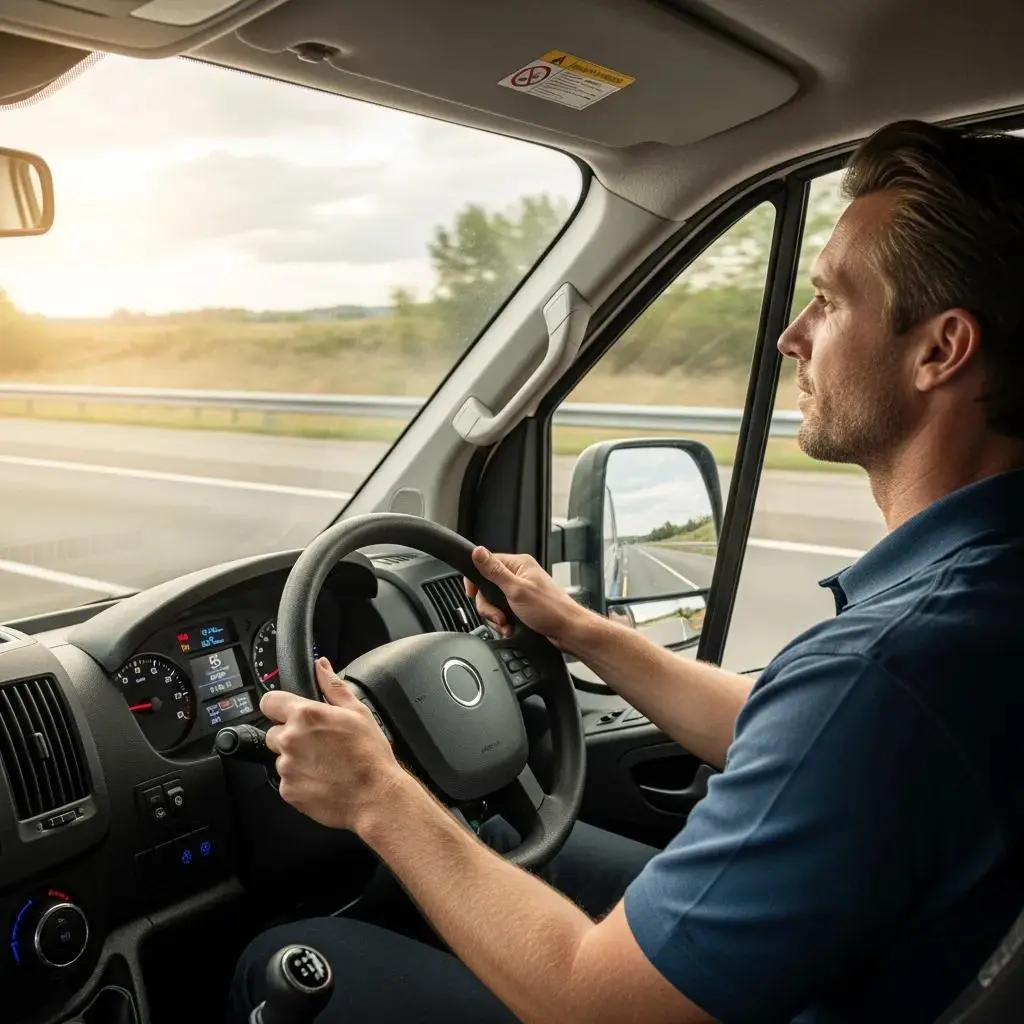
Core techniques that drivers can apply immediately:
- Maintaining Steady Speeds: Avoid speed swings and hard acceleration.
- Reducing Idling: Turn the engine off during extended waits.
- Using Proper Gears: Shift to keep the engine in its efficient range.
Consistent application of these habits yields measurable fuel savings.
How Does Driving Behavior Impact Van Fuel Consumption?
Driver choices directly affect consumption. Important factors:
- Impact of Idling: Excessive idling wastes fuel and increases emissions.
- Importance of Steady Driving: Smooth driving reduces fuel used during speed changes.
- Role of Vehicle Maintenance: A well-serviced van runs more efficiently.
Recognising these effects helps drivers make better operational choices.
Which Maintenance Practices Enhance Van Fuel Economy and Reduce Emissions?
Regular, focused maintenance keeps vans efficient. Key practices:
- Regular Vehicle Maintenance: Schedule routine checks for engine, tyres and fluids.
- Driver Training: Teach drivers how maintenance affects fuel economy.
- Monitoring and Metrics: Track fuel use and service intervals to spot problems early.
Prioritising maintenance reduces emissions and running costs.
How Does Regular Van Maintenance Contribute to Efficient Driving?
Maintenance keeps components working and prevents issues that raise consumption. Benefits include better fuel efficiency, fewer breakdowns, and lower operating costs.
What Specific Maintenance Actions Lower Van Emission Levels?
Target these items to cut emissions:
- Addressing DPF Blockages: Inspect and maintain the filter regularly.
- Checking Catalytic Converters: Ensure they’re functioning correctly.
- Maintaining Fuel Injectors: Keep injectors clean for proper combustion.
These actions reduce a van’s environmental footprint.
How Can Route Planning and Driving Habits Reduce Fuel Use in Commercial Vans?
Combine smart routing with driver habits for better efficiency. Practical strategies:
- Using Advanced Routing Software: Choose routes that avoid congestion and reduce miles.
- Ensuring Optimal Weight Distribution: Load vans to balance weight and support efficient driving.
- Implementing Eco-Driving Techniques: Reinforce efficient driving in training
What Are the Benefits of Optimised Route Planning for Fuel Savings?
Optimised routes reduce distance and time, lowering fuel consumption and letting vehicles maintain steadier speeds for better efficiency.
How Does Reducing Idling Time Improve Van Fuel Efficiency?
Cutting idling saves fuel, lowers emissions and reduces operating costs. Encourage drivers to switch engines off during extended waits.
What Are the Advantages of Upgrading to Greener Commercial Vans?
Upgrading brings several advantages:
- Sustainability: Newer vans often emit less and use fuel more efficiently.
- Lower Environmental Impact: Modern designs typically have a smaller environmental footprint.
- Lower Running Costs: Improved fuel economy lowers long-term expenses.
Upgrades can be a cost-effective investment for fleets seeking sustainability and savings.
How Do Green Vehicle Upgrades Support Eco-Friendly Driving?
Greener models integrate technologies that reduce fuel use and emissions while improving reliability and uptime.
How Can Selling Your Van for Cash Facilitate Transition to Fuel-Efficient Models?
Selling an older van can free funds to invest in a greener replacement. Benefits:
- Immediate Funds: Quick cash helps with the purchase of a newer vehicle.
- Avoiding Repair Costs: Move away from recurring repair bills on older vans.
- Hassle-Free Process: Services like Cash Your Vans simplify selling and speed the transition.
Why Choose Cash Your Vans for Your Commercial Van Upgrade?
At Cash Your Vans, we specialise in providing a fast, reliable way for commercial van owners to sell their vehicles for cash. We understand the importance of upgrading to more fuel-efficient and eco-friendly vans to reduce environmental impact and operating costs. Our service is designed to make this transition as smooth as possible.
We offer quick cash offers that help you finance the purchase of greener, more efficient commercial vans. By selling your older van to us, you avoid the hassle and expense of ongoing repairs, allowing you to invest in vehicles that support sustainable driving practices.
Our team is committed to supporting eco-friendly initiatives by facilitating the upgrade process for fleets and individual drivers alike. We provide transparent valuations and a straightforward selling experience, ensuring you get the best value for your van while contributing to a cleaner environment.
Choose cash your vans to help you move towards a more sustainable future with ease and confidence.
Frequently Asked Questions
What are the environmental benefits of eco-friendly driving in commercial vans?
Eco-friendly driving in commercial vans significantly reduces greenhouse gas emissions, contributing to cleaner air and a healthier environment. By adopting fuel-efficient practices, such as optimising routes and reducing idling, drivers can lower their carbon footprint. Additionally, newer, greener van models often feature advanced technologies that minimise emissions. This not only helps in meeting regulatory standards but also supports a company’s sustainability goals.
How can telematics improve fuel efficiency in commercial vans?
Telematics systems provide real-time data on driving behavior, allowing fleet managers to monitor and analyse performance metrics. By tracking factors such as speed, acceleration, and braking patterns, telematics can identify areas for improvement. This data enables targeted driver training and encourages safer, more fuel-efficient driving habits. Over time, the implementation of telematics can lead to significant reductions in fuel consumption and operational costs, making it a valuable tool for fleet management.
What role does driver training play in eco-friendly driving?
Driver training is crucial for promoting eco-friendly driving habits. By educating drivers on techniques such as smooth acceleration, proper gear usage, and the importance of maintaining steady speeds, companies can enhance fuel efficiency. Ongoing training programs help reinforce these practices, ensuring that drivers remain aware of their impact on fuel consumption. Ultimately, well-trained drivers contribute to lower emissions and reduced operational costs, making training an essential investment for any fleet.
How can businesses measure the effectiveness of their eco-driving initiatives?
Businesses can measure the effectiveness of eco-driving initiatives by tracking key performance indicators (KPIs) such as fuel consumption, emissions levels, and maintenance costs. Implementing telematics systems allows for real-time monitoring of these metrics, providing insights into driving behavior and vehicle performance. Regularly reviewing these data points helps identify trends and areas for improvement, enabling companies to adjust their strategies and maximise the benefits of eco-friendly driving practices