Need to sell your van quickly? In this guide, we explain which types of vans buyers commonly accept and how you can turn almost any commercial vehicle into cash across the UK.
You’ll get clear van category definitions, practical examples of popular makes and models, how damaged or non-running vans are assessed, and a step-by-step route from valuation to instant payment.
Many owners worry that conversions, MOT failure, or missing paperwork will stop a sale; in most cases, they won’t. Read on for a quick reference chart of van types, simple condition categories, a three-step selling process built for speed, and checklists to help you get an instant quote.
Which Types Of Vans Does Cash Your Vans Buy?
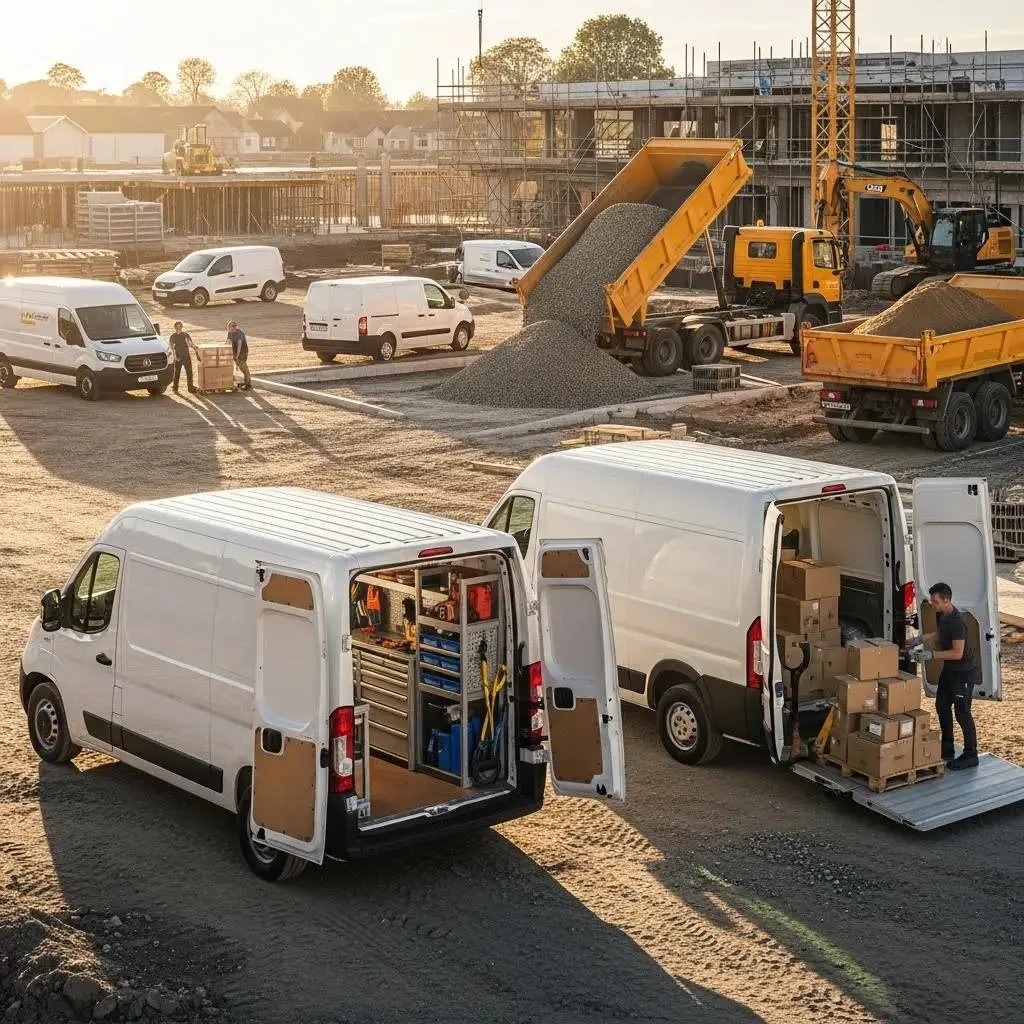
We buy a wide range of light commercial vehicles used by tradespeople and leisure owners. When valuing a van, we focus on its category, condition, and load-carrying features.
The list below summarises the main van types we accept and the typical uses that affect interest and price, things like payload, tail lifts, or fitted racking. Knowing your van’s type and how it’s used helps speed up valuation and get you a more accurate instant quote.
Common van types accepted include:
- Panel vans for general cargo and trades, common makes include Ford, Vauxhall, and Mercedes.
- Luton and box vans with large load volume and tail-lift options for removals.
- Tipper and dropside vans are used on construction sites, even if hydraulics need attention.
- Motorhomes, camper vans, and minibuses, both standard and converted, for leisure use.
In practice, make and model rarely block a sale; buyers look at whether the vehicle works for their needs. The table below gives quick examples, typical uses, and notes on conditions so you can identify your van at a glance.
| Van Type | Example Models / Typical Use | Acceptance Notes |
|---|---|---|
| Panel van | Ford Transit, Vauxhall Vivaro, trade deliveries | Usually accepted in most conditions; body dents or rear-door damage are often negotiable |
| Luton van | Luton with tail lift removals and bulky loads | Accepted, including fitted tail lifts; hydraulic faults may lower the value, but don’t stop the sale |
| Tipper / Dropside | Isuzu, Mitsubishi, construction loads | Accepted even with hydraulic or bed damage; valuation reflects repair needs |
| Motorhome / Camper van | Converted panel vans, leisure travel | Accepted in many conditions; living fittings are considered alongside the chassis condition |
This quick reference shows that most nationwide buyers will consider these categories and will often accept vans with specialised fittings or moderate damage. If you’re unsure which category your van fits, state its primary use and any fitted equipment when requesting a quote.
Panel Vans Accepted For Sale In The UK
A panel van is a closed cargo vehicle for carrying goods rather than passengers. Buyers look at payload, wheelbase, and any internal racking when valuing it. Common examples are the Ford Transit, Vauxhall Vivaro, and Mercedes Sprinter.
These vans are accepted whether they’re well-used trade vehicles or private vans with higher mileage. Cosmetic issues, dents, scratched paint, or a damaged rear door rarely stop a sale if the engine and chassis condition are clear.
Provide basic details, registration, mileage, and photos of any damage, and you’ll get a realistic instant quote quickly, followed by collection and payment arrangements.
Luton, Tipper, And Pickup Vans We Buy
Luton vans, tippers, and pickups are specialist types used for removals, construction, and mixed duties. Buyers assess load volume and the condition of fitted equipment. Luton vans with tail lifts or box bodies are accepted even if the lift needs work; hydraulic faults usually reduce the value, but do not prevent acceptance.
Tipper hydraulics that are intermittent or failed are accepted with an adjusted price. Pickups and flatbeds are popular for their flexibility and are accepted in a wide range of conditions, including bed damage or worn towing gear.
For larger or heavier vehicles, include dimensions and fitted equipment in your quote request so that free nationwide collection can be arranged smoothly.
Can I Sell My Damaged or Non-Running Van?
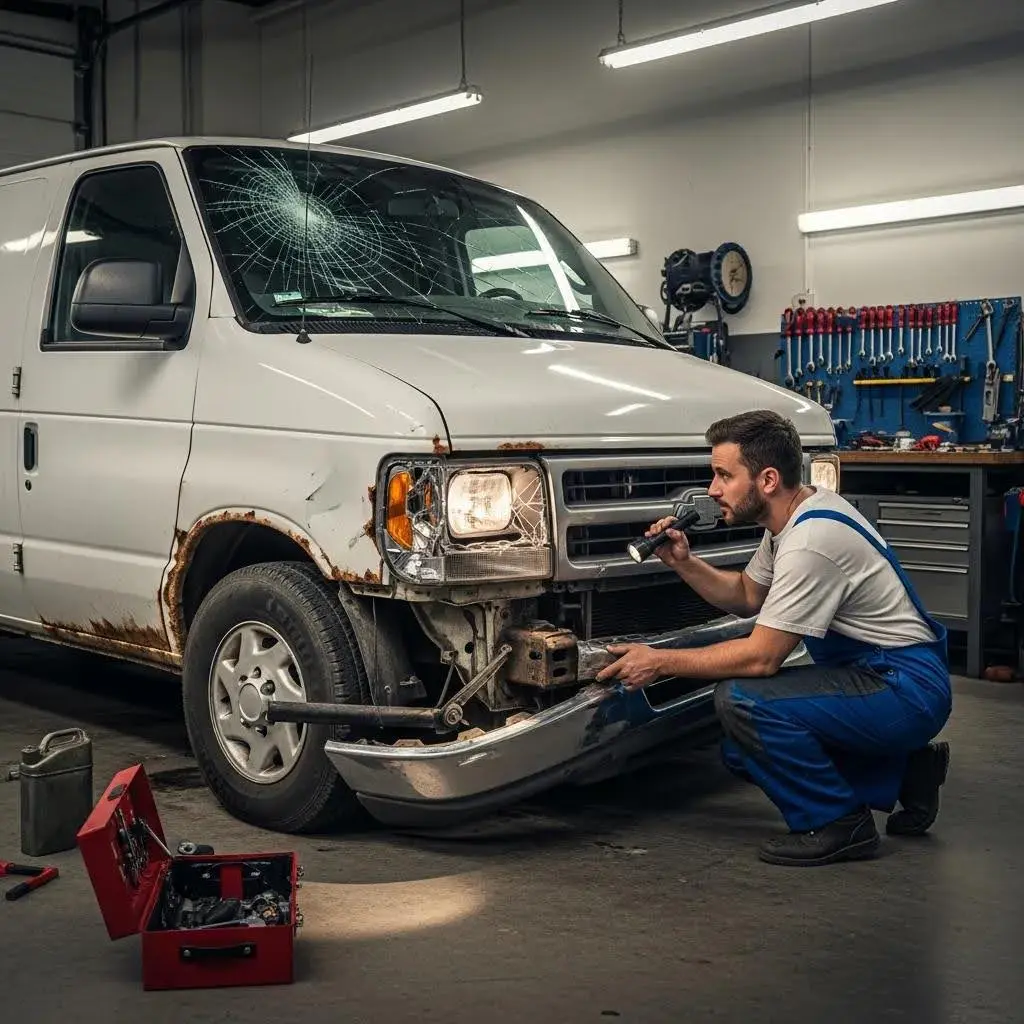
Yes, damaged, MOT-failed, and non-running vans are commonly bought by specialist van purchasers. The difference is how the condition affects the price, not whether you can sell.
Valuation for damaged or non-runner vans takes into account likely repair or salvage costs, recovery difficulty, and any value in parts or conversions (for example, camper fittings).
Buyers ask for clear disclosure of mechanical faults, body damage, and MOT status so the instant quote reflects realistic expectations and the final offer lines up at collection.
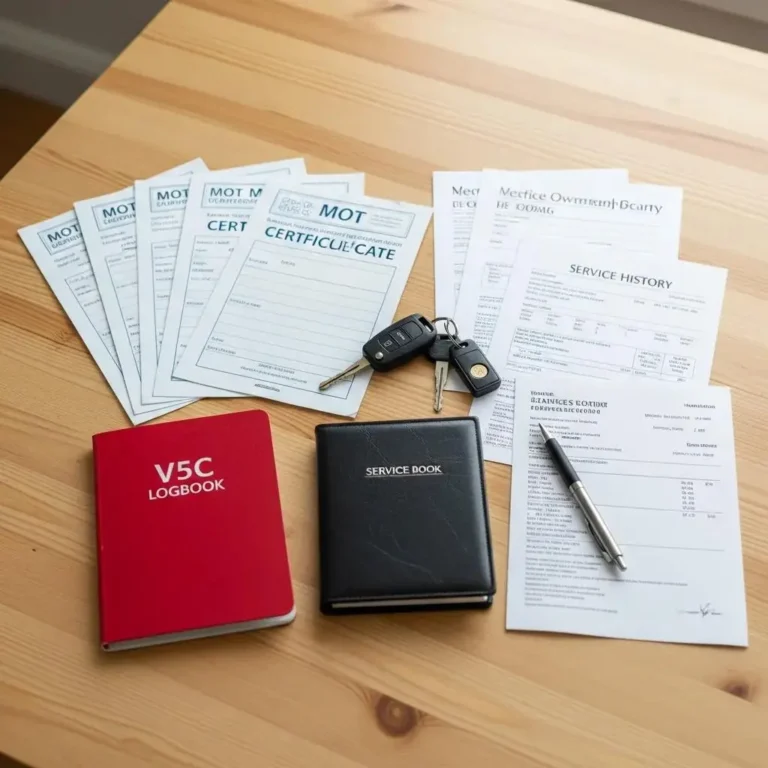
Havingdocuments like the V5 logbook, keys, and service notes ready speeds the process and helps ensure instant payment once you accept the offer.
| Condition Category | What It Means | How Buyers Handle It |
|---|---|---|
| Accident-damaged | Body panel damage and structural or repairable chassis issues | Accepted; valuation reduced based on the repair estimate and salvageability |
| MOT failed | The vehicle didn’t pass MOT due to faults or safety issues | Accepted; the buyer applies a discount to cover repairs but still arranges collection. |
| Non-runner | The engine won’t start, or there is a major mechanical seizure | Accepted for parts or repair; collection arranged with recovery if needed |
| Cosmetic wear | Dents, scratches, and interior wear | Accepted with minor impact on value; often resold at trade or retail rates |
This table clarifies condition labels and shows that honest descriptions, clear photos, and disclosure speed up accurate offers. After you disclose the condition, the buyer will confirm collection practicalities and payment timing before finalising the purchase.
Conditions Of Vans Accepted By Van Buyers
Buyers accept vans across a wide condition range, from roadworthy and well-maintained to heavily damaged. Condition labels set realistic value expectations: good vans get closer to market price; accident-damaged vans may be sold for repair or salvage; non-runners are priced for parts or restoration; and MOT-failed vans are accepted with a deduction for necessary work.
To make collection quick, have the V5, any keys, and a short service history or receipts available; these documents confirm ownership and maintenance and speed up instant payment at handover.
Selling A Van With MOT Failure
If your van has failed its MOT, be upfront about the status and list the failure reasons if you know them. Buyers will estimate repair costs, adjust their offer accordingly, and usually still arrange collection.
On the day of collection, the buyer will verify the disclosed condition, complete the paperwork to transfer ownership, and pay the agreed amount at handover. This approach protects both sides and means you don’t have to pay for repairs before selling.
How Does The Van Valuation And Selling Process Work?
We keep the selling process quick and straightforward: get an instant quote, arrange free nationwide collection, and receive instant payment at collection after a short inspection.
Valuation starts with a few key details, registration, mileage, condition summary, and photos, which give an indicative offer almost immediately; the final price is confirmed at inspection and reflects disclosed faults and current demand.
Typical timings: the quote arrives within minutes, collection is booked within 24–72 hours depending on location, and payment is made instantly when paperwork is completed. Below are the three core stages in plain steps.
- Get an instant quote by providing your vehicle registration, mileage, and photos.
- Book a free nationwide collection on a date that suits you after accepting the offer.
- Receive instant payment at collection after a brief inspection and paperwork transfer.
To speed things up, have your V5 and keys ready and gather any service records—this reduces time at collection and avoids delays. Cash Your Vans buys vans, trucks, and motorhomes across the UK in any condition and offers instant cash and free nationwide collection—request an instant quote to begin.
| Process Step | Customer Action | Typical Timeframe / Result |
|---|---|---|
| Instant quote | Provide registration, mileage, and condition photos | Quote returned within minutes; indicative price provided. |
| Collection booking | Agree on pickup date and location | Collection arranged within days; driver confirms on arrival |
| Inspection & payment | Hand over keys and V5, and accept the final offer | Quick on-site inspection; instant cash payment on collection |
This table maps each action to a fast result, highlighting speed and transparency. If you’re ready to turn sell your van into cash, gather the registration, mileage, and a few photos, and request an instant quote to get started.
Frequently Asked Questions
What Paperwork Do I Need To Sell My Van?
Have the V5C registration document ready; it proves you own the vehicle. Also, gather any service history, MOT certificates (if you have them), and all keys. If there’s outstanding finance, you’ll need to settle it before completion or provide proof it’s been cleared. Having paperwork ready speeds up collection and helps you get paid instantly.
How Is The Value Of My Van Determined?
Value depends on make, model, age, mileage, and overall condition. Buyers check functionality, damage, and market demand for similar vans. A well-maintained van with low miles will usually fetch more than one that’s heavily worn or damaged. Accurate details and clear photos help ensure you get a fair, realistic offer.
Can I Sell My Van If It Has Outstanding Finance?
You can, but the finance must be settled before ownership transfers. The buyer will need proof that the finance is cleared. Contact your finance provider for a settlement plan, so you know how much to pay off. Once it’s settled, you can proceed and complete the sale smoothly with the correct paperwork.
What Happens If I Lose My V5c Document?
If you lose your V5C, you can apply for a replacement from the DVLA online or by post. While waiting, you can still start the sale process, but buyers are more comfortable when ownership is clear. It’s best to get the replacement sorted before completing the sale to avoid delays.