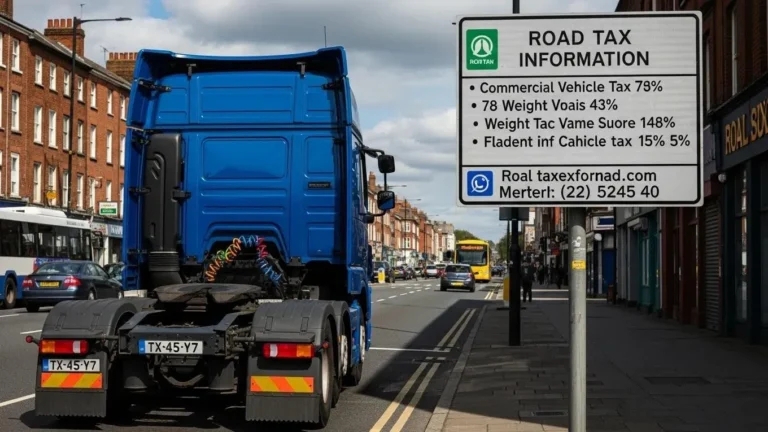
The lifecycle of commercial vans and trucks shapes maintenance planning, resale timing and disposal choices.
Understanding it helps owners protect asset value and meet regulatory obligations. Today, in this guide, we summarise lifecycle stages, explain how depreciation affects resale value, outline end-of-life disposal options and describe how relevant scrappage schemes and sustainable recycling support lawful disposal.
What Are the Key Stages in the Commercial Van and Truck Lifecycle?
The commercial vehicle lifecycle comprises acquisition, operation, maintenance and disposal. Acquisition should match operational needs; operation focuses on efficient use; maintenance preserves service life and resale value; disposal requires choosing the best sale or recycling route under applicable rules.
Vehicle Depreciation Affects Resale Value
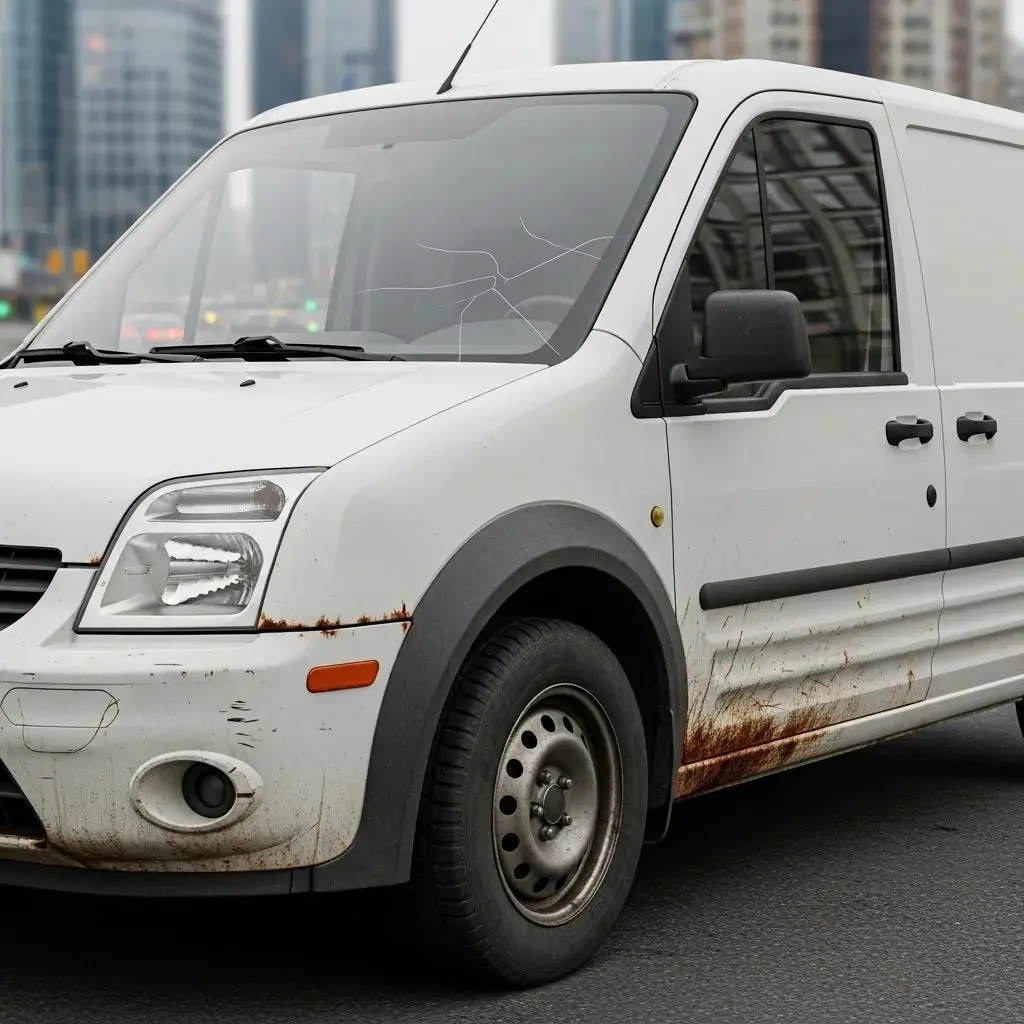
Depreciation is the decline in a vehicle’s market value over time. Key drivers include age, total mileage and overall condition. Knowing these drivers helps owners set realistic resale expectations.
Common depreciation factors include:
- Age: Older vehicles generally command lower resale prices due to accumulated wear.
- Mileage: Higher mileage typically reduces market value.
- Condition: Visible damage or mechanical faults lower resale potential.
Scheduled maintenance and comprehensive service records can help preserve value and improve buyer confidence.
End-of-Life Stage for Commercial Vehicles
The end-of-life stage occurs when a vehicle is no longer safe or cost-effective to operate. Typical indicators are excessive age, high mileage, poor condition or failure to meet regulatory standards.
- Age and Mileage: High mileage or advanced age often signal reduced economic usefulness.
- Condition: Structural damage, corrosion or persistent mechanical faults may render a vehicle unsafe or uneconomic to repair.
- Repair Costs: When repair and downtime costs exceed the vehicle’s remaining value, disposal is warranted.
- Market Demand: Low demand for a particular model or configuration can prompt earlier disposal.
- Regulatory Compliance: Vehicles that fail to meet safety or environmental standards may require disposal through the appropriate lawful route, including ELV processes where applicable.
Recognising these criteria supports informed decisions on whether to sell, repair or dispose of a vehicle.
What Are the Available End-of-Life Disposal Options in the UK?
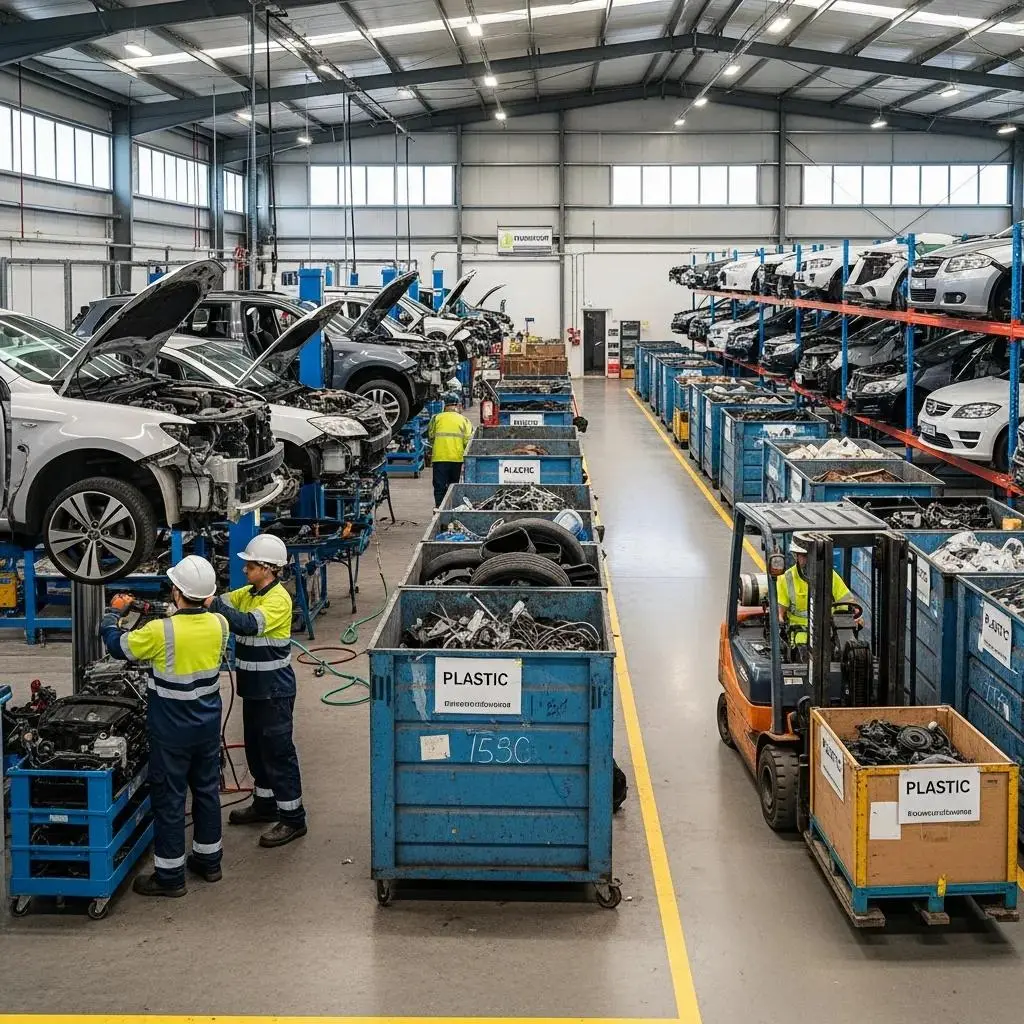
In the UK, owners typically choose between Authorised Treatment Facilities, private sale or any available scrappage scheme when disposing of end-of-life commercial vehicles.
- Authorised Treatment Facilities (ATFs): Licensed facilities that dismantle vehicles safely, recover parts and recycle remaining materials.
- Private Sales: Selling directly to buyers, which may require time and effort.
- Scrappage Schemes: Government-supported programmes offering financial incentives to replace older vehicles with more efficient models.
The role of ATFs is central: they ensure de-pollution, parts recovery and recycling meet environmental standards and issue the required documentation, including Certificates of Destruction where applicable, to confirm lawful disposal.
| Disposal Option | Description | Benefits |
|---|---|---|
| Authorised Treatment Facilities | Licensed facilities for safe dismantling | Compliance with regulations, recycling |
| Private Sales | Selling directly to buyers | Potential for higher resale value |
| Scrappage Schemes | Government incentives for scrapping | Financial benefits promote eco-friendly vehicles |
This table summarises the main disposal routes, their functions and the compliance or environmental benefits they provide.
Van Scrappage Schemes Can Support Vehicle Disposal
Van scrappage schemes can offer financial incentives to encourage owners to scrap older vehicles rather than sell them privately, simplifying disposal and supporting fleet renewal.
The benefits of scrappage schemes include:
- Financial Incentives: Monetary compensation for older vehicles helps reduce the cost of replacement.
- Environmental Benefits: Removing older, higher-emission vehicles lowers fleet emissions and supports cleaner transport.
- Simplified Process: Schemes often streamline paperwork and disposal logistics, reducing administrative burden.
Participation in scrappage schemes lets owners realise value from end-of-life vehicles while supporting more sustainable fleet practices.
Regulatory Requirements for Commercial Vehicle Disposal
Disposal of commercial vehicles in the UK requires following regulatory procedures and documentation to ensure lawful transfer or destruction.
- V5C Logbook: The V5C serves as proof of registered keeper details and must be completed when transferring or scrapping a vehicle.
- Notification to DVLA: Sellers must notify the DVLA of the sale or disposal by submitting the relevant section of the V5C.
- Local Regulations: Owners should verify any local requirements that affect vehicle sales or disposal.
If a vehicle is scrapped, disposal must occur at an ATF, which will conduct de-pollution and recycling and issue a Certificate of Destruction where applicable to confirm legal disposal.
How Can Owners Obtain Instant Quotes and Sell Their Vans Efficiently?
Owners seeking instant quotes and an efficient sale should follow a structured sequence of steps to ensure a smooth transaction.
- Provide Basic Van Details: Owners submit vehicle information such as make, model and condition.
- Obtain a Quote: The buyer issues a quote based on supplied details.
- Request Settlement from Lender: For financed vehicles, request a settlement figure from the lender.
- Schedule Collection: Arrange vehicle collection with the buyer.
- Supply Settlement Letter: Provide the lender’s settlement letter when applicable.
- Liaise with the Lender: Coordinate to settle any outstanding finance.
- Complete Final Checks: Verify documentation and vehicle condition prior to transfer.
- Sign Transfer Documents: Execute required transfer forms to finalise the sale.
- Receive Payment: Payment is processed once all steps are complete.
For a rapid and convenient sale, Cash Your Vans offers instant quotes and a straightforward selling process.
Process for Getting an Instant Van Valuation
The instant valuation process is straightforward and can be completed online in a few steps.
- Visit the Website: Access the Cash Your Vans website.
- Enter Vehicle Details: Complete the form with the van’s specifications.
- Receive Instant Quote: An immediate valuation is generated from the submitted information.
- Accept the Offer: Owners may accept the offer if it meets expectations.
- Book Collection: Arrange a convenient collection time.
- Receive Payment: Payment is issued following collection and final checks.
This streamlined approach helps owners quickly determine an initial value and proceed with a sale if desired.
Selling a Commercial Van for Cash Works Like This
Selling a commercial van for cash follows a concise online-to-collection workflow designed to minimise delay.
- Fill Out the Online Form: Provide the van’s details via the online form.
- Accept the Offer: Review and accept the cash offer.
- Schedule Collection: Agree on a suitable time for collection.
- Inspection and Payment: The buyer collects the vehicle and issues payment.
This process enables owners to convert a vehicle into cash quickly while maintaining clear collection and payment steps.
Why Is Sustainable Disposal Important for Commercial Vehicles?
Sustainable disposal reduces the environmental impact of end-of-life vehicles and supports resource recovery; it is essential to responsible fleet management.
The benefits of sustainable disposal include:
- Minimising Waste: Proper disposal reduces material sent to landfill.
- Recovering Valuable Materials: Recycling recovers metals and plastics for reuse.
- Reducing Carbon Footprint: Recycling often uses less energy than primary production, lowering emissions.
Prioritising sustainable disposal supports environmental objectives and the circular economy while meeting regulatory obligations.
Environmental Benefits of Responsible Vehicle Recycling
Responsible vehicle recycling aligns with wider sustainability goals in the automotive sector and delivers measurable benefits.
- Minimising Landfill Waste: Recycling reduces waste sent to landfills.
- Recovering Valuable Resources: Recovered metals and plastics can be repurposed.
- Lowering Energy Consumption: Recycling typically uses less energy than producing new materials, reducing greenhouse gas emissions.
These advantages show why recycling is a key practice for reducing the sector’s environmental footprint.
Sustainable Disposal: Comply with UK Regulations
UK regulations require vehicle disposal practices that protect the environment and public health.
- Scrap Metal Dealers Act 2013: The Act restricts cash payments for scrap metal to improve traceability and deter illegal activity.
- End-of-Life Vehicle (ELV) Regulations: Eligible end-of-life vehicles must be processed through Authorised Treatment Facilities for de-pollution, parts recovery and safe recycling.
Adherence to these rules ensures disposal is lawful and environmentally responsible.
Why Choose Cash Your Vans for Your Commercial Vehicle Needs?
At Cash Your Vans, we specialise in providing fast, reliable, and hassle-free services for owners looking to sell their commercial vans and trucks. We understand the complexities involved in the lifecycle of commercial vehicles, from valuation to disposal, and we are here to simplify the process for you.
We offer instant online quotes that help you quickly determine the market value of your vehicle, allowing you to make informed decisions without delay. Our team manages the entire transactional process, including scheduling collections, handling necessary documentation, and ensuring prompt payment, so you can focus on your business without administrative burdens.
We are committed to supporting sustainable disposal practices by working closely with authorised treatment facilities to ensure that end-of-life vehicles are processed responsibly and in compliance with UK regulations. By choosing us, you contribute to reducing environmental impact while maximising the value of your vehicle.
Whether you are replacing older vehicles through scrappage schemes or simply looking to sell efficiently, Cash Your Vans is your trusted partner for a smooth, transparent, and eco-friendly vehicle disposal experience.
Frequently Asked Questions
What factors should I consider when acquiring a commercial van or truck?
When acquiring a commercial van or truck, consider factors such as the vehicle’s intended use, payload capacity, fuel efficiency, and total cost of ownership. Assess whether the vehicle meets your operational needs, including size and configuration. Additionally, evaluate financing options, warranty coverage, and the reputation of the manufacturer. It’s also wise to research the vehicle’s resale value and depreciation rates to ensure a sound investment for your business.
How can I extend the lifespan of my commercial vehicle?
To extend the lifespan of your commercial vehicle, prioritise regular maintenance, including oil changes, tyre rotations, and brake inspections. Keep detailed service records to track maintenance history. Address any mechanical issues promptly to prevent further damage. Additionally, ensure that the vehicle is operated within its design limits and avoid overloading. Implementing a preventive maintenance schedule can significantly enhance reliability and performance over time.
What are the benefits of using Authorised Treatment Facilities (ATFs) for vehicle disposal?
Using Authorised Treatment Facilities (ATFs) for vehicle disposal offers several benefits, including compliance with environmental regulations and safe dismantling practices. ATFs are equipped to handle hazardous materials, ensuring proper de-pollution and recycling of vehicle components. They also provide certificates of destruction, where applicable, which are essential for legal disposal documentation. By choosing ATFs, vehicle owners contribute to sustainable practices and minimise their environmental impact.
What should I do if my commercial vehicle is involved in an accident?
If your commercial vehicle is involved in an accident, first ensure the safety of all individuals involved and call emergency services if necessary. Document the scene by taking photos and gathering witness information. Notify your insurance provider promptly to report the incident and begin the claims process. Depending on the damage, you may need to assess whether to repair or dispose of the vehicle, considering its condition and value.