Selling a van goes more smoothly when you know exactly what buyers look for and why those checks shape offers, negotiations and how quickly your van sells. This guide walks through the key checks buyers make, from paperwork and MOT history to engine noises, bodywork and checks on damaged or non-running vans, and shows you how to present your van for a faster, fairer sale.
Understanding buyer priorities reduces surprises at viewings and test drives, and helps you decide what to repair, disclose or sell as-is. We cover six key inspection areas: paperwork and ownership documents; mechanical systems; exterior and bodywork; interior and electrics; test drive diagnostics; and special checks for damaged or non-running vans.
Read on for practical checklists, comparison tables and clear seller actions that link buyer expectations to realistic repair or sale options, including when a specialist buyer makes more sense than paying for repairs.
What Paperwork Do Buyers Check Before Buying Your Used Van?
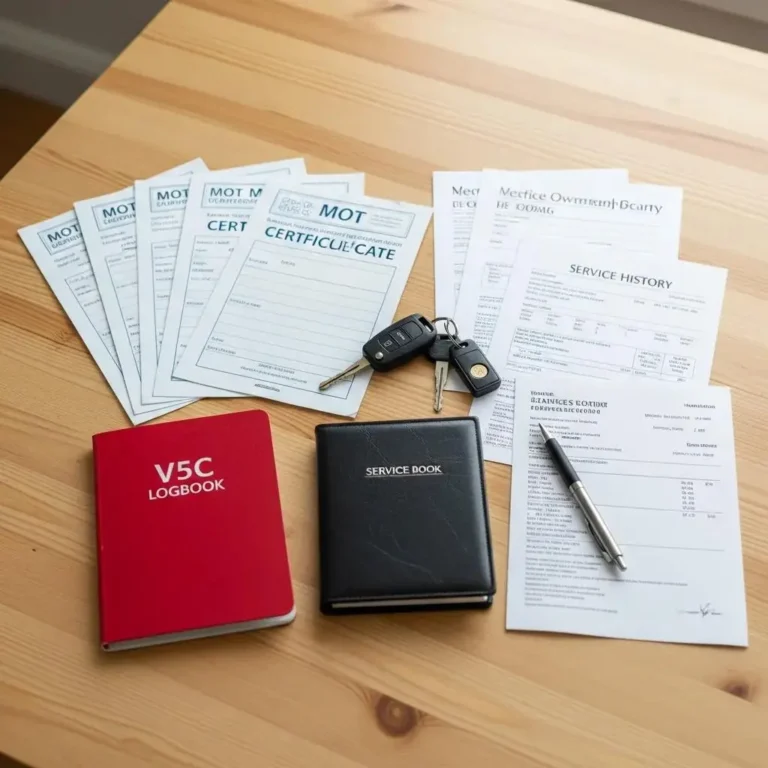
Paperwork gives buyers confidence: it verifies ownership, legal status and service history, which reduces perceived risk and speeds up the sale. This section lists the core records buyers expect, explains why each matters for value, and provides a short checklist so you can gather or replace missing documents before viewings.
Showing complete paperwork usually attracts better offers and cuts down on drawn-out conditional negotiations, buyers feel able to move from inspection straight to transfer.
Buyers typically want to see these documents before they move on to mechanical checks:
- V5C (logbook) to confirm the registered keeper and check the VIN details.
- MOT certificate and online MOT history to spot recent failures or advisories.
- Service records and a stamped service book showing ongoing maintenance.
- Receipts for major work, parts replacements or timing belt changes.
- Proof that the vehicle is clear of finance, or a written statement confirming no outstanding loans.
Collecting these papers beforehand lets you answer buyer questions straight away and avoids hold-ups during negotiations. Missing or unclear documents usually lead to lower offers or requests for independent checks, which slow the sale.
Verifying the V5C Registration Document and Ownership Details
The V5C proves registration details and helps buyers confirm lawful ownership. Buyers will check the V5C for matching name and address, correct VIN/engine numbers and whether the seller is listed as the registered keeper; any mismatch often prompts extra checks or a reduced offer.
Show the V5C in person, point out matching VINs on the vehicle and explain any past keeper changes clearly. If the V5C is missing or incomplete, explain the steps you’ve taken to trace or apply for a replacement and have a signed written statement ready, handling V5C issues transparently maintains buyer trust and prevents negotiation breakdowns.
MOT History and Service Records Buyers Want to Review
MOT history and service records help buyers spot recurring faults, estimate repair costs and confirm routine maintenance, all of which affect what buyers are willing to pay. Buyers look at MOT logs for failed tests, advisories and repeated issues; a run of clean MOTs raises confidence and can justify a higher asking price.
Full service history, stamps or invoices, shows consistent care of key items like timing belts, brakes and scheduled services and often generates stronger offers. If your records are patchy, gather digital receipts, garage invoices and a short written timeline of significant work, clear documentation narrows the negotiation gap buyers use to push your price down.
| Document | What Buyers Check | How It Affects Value |
|---|---|---|
| V5C registration | Registered keeper, VIN match, completed sections | Missing or mismatched V5C reduces offers and slows sale |
| MOT certificate & history | Recent fails/advisories, mileage consistency | Clean MOT history supports higher offers |
| Service records | Stamped service book, invoices for major work | Full history increases buyer confidence and improves price |
Cash Your Vans note: Having paperwork to hand speeds up the sale. If collating documents is difficult, Cash Your Vans can handle the paperwork as part of a quick sale. We provide instant quotes and can complete purchases without you chasing missing paperwork, a convenient option for sellers who want a simple, fast sale.
What Mechanical Checks Do Buyers Carry Out on Used Vans?
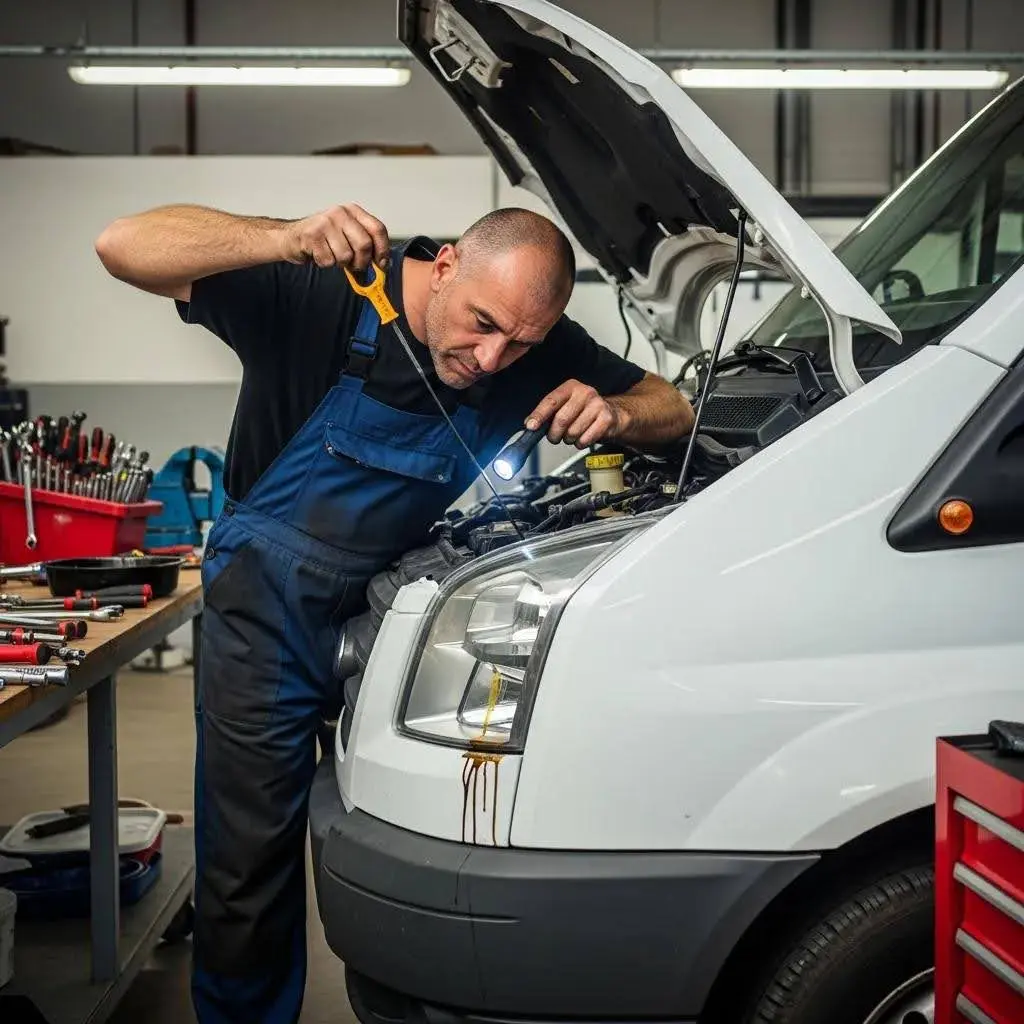
Buyers inspect mechanical systems to judge reliability and estimate future repair costs; a clear mechanical picture determines how confidently buyers will meet your asking price.
This section covers the core mechanical checks buyers make, engine, brakes, suspension, gearbox and fluids, and shows common “good vs bad” signs so you can prioritise repairs or honest disclosure. A compact comparison helps you decide whether to fix issues or sell as-is, since small, low-cost jobs often produce a better final offer.
When buyers look under the bonnet they search for signs that suggest imminent work, and they compare what they see with the service history and mileage before making an offer. Recent, verifiable maintenance reduces perceived risk and supports stronger negotiations. Below is a common checklist used during visual and basic operational checks.
- Look for oil or coolant leaks under the engine and at hose joints.
- Check brake pad thickness and watch for uneven disc wear or heavy rust.
- Observe suspension for excessive bounce, sagging or uneven ride height.
- Try gear selection for smooth engagement and listen for unusual gearbox noises.
- Check fluid levels (engine oil, coolant, brake fluid) and note contamination.
- Measure tyre tread depth and inspect for uneven or irregular wear.
Doing small jobs and keeping receipts for recent mechanical work reassures buyers and usually cuts down on conditional offers.
Assessing Engine, Brakes, and Suspension Condition
Buyers will check the engine for visible leaks, unusual smoke at start-up and warning lights, an engine free of leaks and fault codes typically attracts better offers. Brake checks focus on pad life, disc scoring and vibration when stopping, while suspension checks look for clunks, sagging or poor handling during a short drive.
Prioritise fixing minor leaks, replacing worn pads and investigating obvious suspension noises, these fixes are relatively inexpensive but significantly improve buyer perception. If repairs aren’t economical, document the issue, include an estimated repair cost and offer a clear sale-as-is option to keep negotiations honest and efficient.
Fluid Levels and Tyre Tread Depth Checks
Correct fluid levels and clean, uncontaminated fluids signal routine maintenance and lower buyer uncertainty about hidden faults. Buyers will inspect oil level and colour, coolant condition, brake fluid age and transmission fluid where accessible; dark or contaminated fluids suggest deferred care and reduce offers.
Tyre tread and even wear are both a legal requirement and a safety concern: the UK legal minimum is 1.6mm, but buyers prefer 3mm+ for load-carrying vans and will discount uneven or shallow tread. Top up fluids, replace cheap bulbs and consider new tyres if tread is low, these small investments often increase buyer confidence more than their cost suggests.
| Component | Good Indicator | Bad Indicator |
|---|---|---|
| Engine | No leaks, no smoke, no warning lights | Visible leaks, blue/white smoke, warning lights |
| Brakes | Even pad wear, smooth stopping | Thin pads, warped discs, vibration on braking |
| Suspension | No clunks, stable ride, even height | Noisy dampers, sagging, uneven ride |
What Exterior and Bodywork Issues Do Buyers Inspect on Vans?
Buyers judge exterior condition to infer how the van was looked after and to spot accident history or structural problems; visible issues affect trust and valuation. This section breaks down the bodywork items buyers care about most, rust, poor repairs, dents and paint mismatches, and provides a short pre-sale presentation checklist.
Buyers also check lights, mirrors and fittings for function and signs of aftermarket work, which can indicate past damage. Small cosmetic fixes and clear disclosure of past repairs reduce suspicion and often protect your asking price.
How Rust, Dents and Accident History Impact Buyer Confidence
Rust in common spots, sills, floor pans, wheel arches and rear doors, lowers offers because buyers expect future structural work. Dents and surface damage harm first impressions and can look like neglect if widespread, while mismatched paint or panels raise questions about accident repairs.
Prioritise treating surface rust, keep invoices for structural or collision repairs and describe what’s been fixed. Even if a repair isn’t cost-effective, being open about it helps buyers feel more comfortable and speeds up discussions, honesty usually works better than trying to hide defects.
Exterior Checks: Lights, Tyres, and Overall Condition
Buyers will make sure all exterior lights, indicators and reflectors work, these are safety and legal essentials that affect roadworthiness. Tyre condition, correct pressures and intact sidewalls are also checked, with buyers noting mismatched tyres or ones unsuitable for carrying heavy loads.
Simple presentation steps, cleaning the van, replacing blown bulbs, checking mirrors and topping up washer fluid, take little time but improve first impressions and make buyers more willing to overlook minor cosmetic faults. These small jobs narrow the negotiation window and can reduce demands for big discounts.
Exterior presentation checklist before viewings:
- Thoroughly clean the van, including wheel arches and door sills.
- Replace any blown bulbs and confirm indicators work correctly.
- Ensure tyres are inflated to the recommended pressures and show no visible damage.
How Do Buyers Evaluate the Interior Condition and Features of a Van?

Interior condition and usable features strongly shape how buyers perceive care and the van’s suitability for work. Buyers look for wear patterns, smells, torn upholstery and whether electrics like windows, locks and dash instruments work properly.
This section explains which interior faults are acceptable for a working van and which are deal-breakers, and lists optional equipment that adds real value. Cleaning and fixing small interior issues can significantly increase offers because many buyers mentally deduct replacement costs from their bids.
Buyers also check practical trade features such as racking, tow bars and load protection and assess whether these are professionally fitted and documented. Well-installed, well-maintained fit-outs make a van more attractive to commercial buyers and can justify a higher price.
If optional equipment is fitted, highlight it with receipts, weight limits and maintenance notes so buyers see the added value.
Interior Wear and Tear Concerns
Buyers accept reasonable wear for age and mileage, but heavy stains, persistent odours, torn seats or broken controls are red flags that lead to lower offers. A deep clean, odour treatment and simple upholstery repairs are low-cost ways to improve presentation and perceived value.
Describe normal wear honestly, spotlight any recent cleaning or refurb work and add photos in adverts, transparency reduces in-person surprises and keeps negotiations focused on fair value.
Electrics and Additional Features Inspection
Working electrics, central locking, electric windows, dash instruments and heater/air conditioning, are test points buyers use to judge daily usability and likely repair costs. Buyers will cycle systems during viewings and test drives; intermittent faults reduce offers because they’re hard to diagnose quickly.
Features that typically add resale value include professionally fitted racking, secure bulkheads and a correctly mounted tow bar, especially with installation receipts. Highlight these items and confirm their condition so buyers clearly recognise the extra value.
Features that typically add resale value:
- Professional load racking with documented installation.
- Secure bulkhead and durable floor protection for trade use.
- Functional tow bar with correct mountings and an electrical socket.
What Do Buyers Listen for During a Van Test Drive?
A test drive is where everything you’ve shown on paper and in person is tested, buyers listen for sounds and assess drivability to spot hidden repair needs. This section summarises the key noises and behaviours buyers note, from engine knocks to gearbox whine and pulling, and explains what each cue usually means for repair cost and value.
A smooth-performing van on a short drive reduces buyer leverage and often leads to faster, cleaner sales. Buyers also judge brake performance, steering response and whether the van vibrates or pulls under load; these indicators influence perceived safety and maintenance needs.
If worrying symptoms appear, buyers will typically lower their offer or ask for an independent inspection, so test drive your van before viewings to anticipate objections and tackle simple fixes where feasible.
Engine Sounds and Gearbox Performance Red Flags
Buyers listen for knocking, metallic ticking, loud clattering, delayed gear engagement or grinding, each pointing to a different level of fault from minor valve or lifter noise to serious internal engine or gearbox damage.
A light tick on cold start may be a valve lifter issue; deep knocks can signal bearing or piston failure and are costly to repair. Be upfront about any known engine or gearbox faults and provide repair estimates or invoices where available, most buyers prefer honest disclosure and will negotiate with clear expectations rather than walk away over hidden problems.
Steering and Brake Response Checks
During a drive buyers check steering for excess play, pulling to one side or vibrations, and assess brakes for responsiveness and noise under load because these are immediate safety concerns. Pulling usually indicates alignment issues, uneven tyre wear or a sticking caliper; vibrations when braking often point to warped discs or uneven pad wear.
You can head off these concerns by balancing tyres, checking alignment and having brakes inspected, even basic steps like topping up brake fluid and replacing thin pads make a noticeable difference. If repairs aren’t possible, document the problem and include an estimated repair cost to keep negotiations open and fair.
If test drive haggling drags on, sellers can avoid lengthy negotiations by requesting an instant, no-obligation quote from a specialist buyer. Cash Your Vans provides instant quotes, immediate payment and free nationwide collection, letting sellers skip protracted bargaining and complete a fast, hassle-free sale.
What Special Checks Do Buyers Make for Damaged or Non-Running Vans?
For damaged or non-running vans, buyers focus on structural safety, salvage potential and realistic repair costs versus replacement value, these checks typically lead to lower, more specialist offers.
This section explains how buyers evaluate frame damage, electrical or fire damage and non-running conditions, and sets out the usual effect on valuation. Buyers also factor in recovery logistics and whether the vehicle is better sold for parts, so sellers should understand typical valuation adjustments and alternative sale routes.
Buyers often ask for photos, damage reports or an incident history and will estimate repair time and cost before making an offer. Specialist buyers can give quicker, pragmatic valuations for damaged or non-running vans, pricing for parts or salvage rather than full roadworthy restoration. The table below maps common damage types to their usual impact on offers.
| Damage Type | Attribute Assessed | Impact on Valuation |
|---|---|---|
| Structural/frame damage | Repair complexity, safety concerns | Major reduction; often sold for salvage |
| Engine non-runner | Cause (immobilised, seized) | Significant reduction; buyer factors tow/recovery cost |
| Water/thermal damage | Extent of damage to electrics and interior | Heavy discount due to electrical risk |
| Cosmetic panels/doors | Repairable cosmetic cost | Moderate reduction; negotiable with receipts |
Honesty About Damage: Trust and Valuation
Being honest about damage is vital: buyers often carry out detailed inspections or order independent checks, and undisclosed problems found later can collapse deals and harm your reputation.
Transparent disclosure, with photos, repair invoices and clear notes on what’s been fixed or left as-is, helps reduce perceived risk and usually leads to smoother negotiations. Buyers will pay more or negotiate faster when expectations are clear.
Selling Damaged Vans with Instant Quotes and Free Collection
Specialist buyers value damaged and non-running vans differently, they focus on salvage potential, parts demand and recovery costs, and can often give fair prices without asking you to fund repairs. Cash Your Vans buys vans, trucks and motorhomes across the UK in any condition, including damaged or non-running vehicles.
We provide instant quotes, free nationwide collection and immediate payment by cash or bank transfer, removing the logistical and financial hassle for sellers who want a quick, straightforward sale. For many sellers, an instant-quote route is the fastest practical way to move a damaged vehicle while letting the buyer handle paperwork and collection.
Selling a van means matching buyer checks with how you present the vehicle and deciding which issues to repair, disclose or accept when selling as-is.
If you’d rather skip prolonged negotiations or you have a damaged or non-running van, consider requesting an instant quote from a specialist buyer who handles paperwork, arranges collection nationwide and pays immediately to simplify the sale.
Frequently Asked Questions
What Should I Do If I Can’t Find My V5C Registration Document?
If you can’t find your V5C, apply for a replacement right away. You can do this online via the DVLA website or by sending a completed V62 form to the DVLA by post.
While you wait, tell potential buyers about the situation and show any other ownership evidence you have, purchase receipts, previous MOT certificates or service invoices. Being open about a missing V5C helps preserve buyer trust during negotiations.
How Can I Improve the Mechanical Condition Of My Van Before Selling It?
Start with small, high-impact jobs: fix oil leaks, replace worn brake pads, top up fluids and change any worn bulbs. Keep receipts for recent servicing and consider a mechanic’s inspection to spot hidden issues. Presenting a well-maintained van with clear service records reassures buyers and can increase the final sale price.
What Are the Most Common Signs Of Accident Damage Buyers Look For?
Buyers usually look for uneven panel gaps, mismatched paint, new weld marks or signs of repaired areas and rust where panels meet. They may check for bent frames, misaligned doors or signs of structural repair. Being upfront about past accidents and sharing repair invoices helps build trust and reduces buyer concern.
How Important Is the Van’s Interior Condition To Potential Buyers?
Interior condition matters more than many sellers expect. Buyers assess cleanliness, wear and tear and whether controls and storage are functional. Heavy staining, bad odours or torn seats can lower offers. A deep clean, small repairs and highlighting useful extras like racking or bulkheads can make a strong positive impression and improve the sale outcome.