Selling your van can be a straightforward process, but it requires careful attention to the necessary paperwork, particularly the V5C logbook. This essential document serves as proof of the registered keeper of the vehicle and is crucial for a legal and smooth transaction.
In this article, we will explore the importance of the V5C logbook, the required vehicle ownership documents, and the step-by-step process for transferring the V5C when selling your van. Additionally, we will discuss how using a service like Cash Your Vans can simplify the paperwork involved in selling your vehicle for cash.
What is the V5C Logbook and Why is it Essential for Selling Your Van?
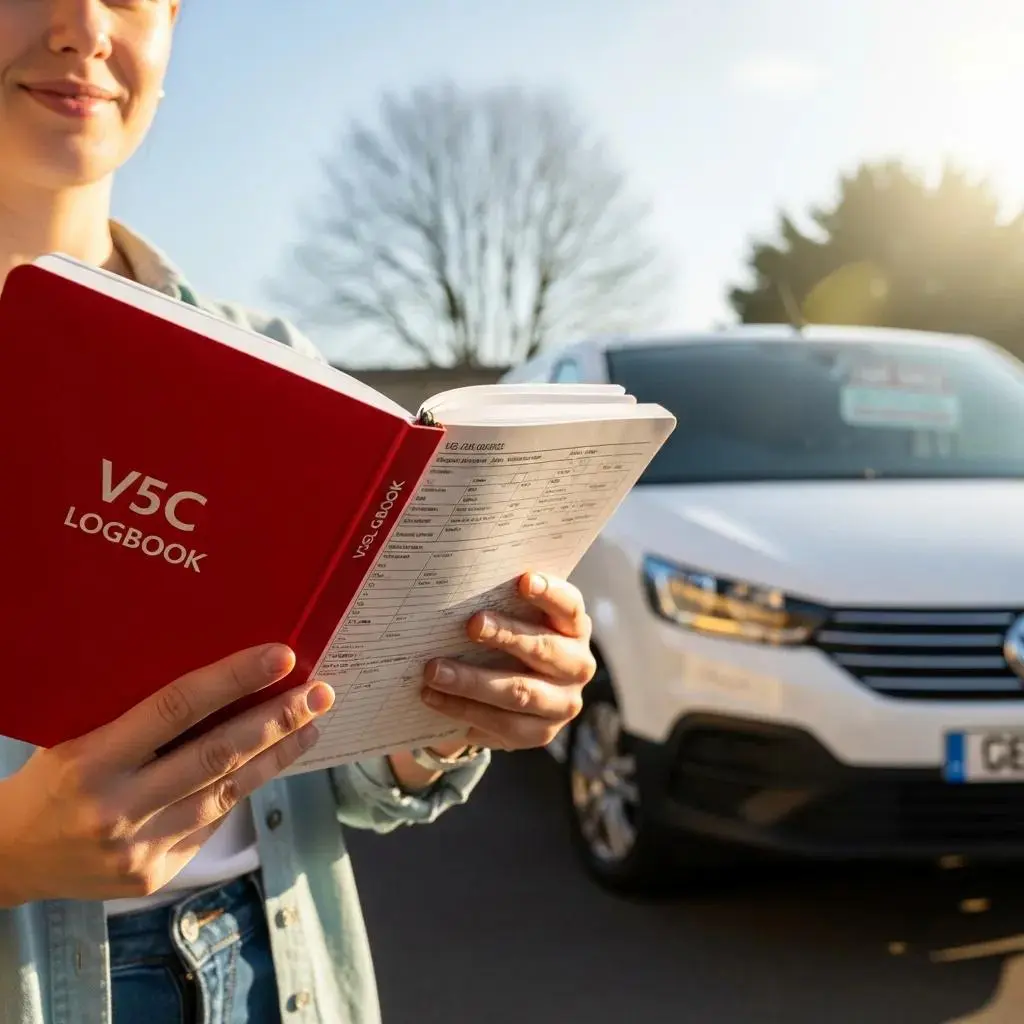
The V5C logbook, also known as the Vehicle Registration Certificate, is a crucial document that records the registered keeper of a vehicle in the UK. It contains important information about the vehicle, including its make, model, and registration number, as well as the registered keeper’s details.
This document is essential for verifying who is responsible for the vehicle during the sale process, ensuring that the buyer is purchasing the vehicle from the person registered as the keeper. Without a V5C logbook, the sale may face complications, making it vital for sellers to have this document ready.
V5C Role in a Van Sale
The V5C logbook serves as the official record of a vehicle’s registered keeper, detailing the name and address of the person responsible for the vehicle. It includes the vehicle’s unique identification number (VIN), which links the logbook to the specific vehicle.
This information is crucial for buyers, as it helps confirm the seller is the registered keeper. It also helps buyers match the van’s details to the paperwork. If the V5C is missing, it can raise red flags for potential buyers, leading to concerns about the legitimacy of the sale.
Selling a Van Without a V5C Logbook in the UK
Yes, it is possible to sell a van without a V5C logbook in the UK, but it can complicate the process. Sellers may need to provide other supporting paperwork, such as a purchase receipt/invoice or bill of sale, plus recent MOT history.
However, selling without a V5C can deter potential buyers, as they may be wary of the vehicle’s registered keeper details and history. Therefore, it is highly recommended to apply for a replacement V5C from the DVLA if the original is lost.
Which Vehicle Ownership Documents are Required for a Smooth Van Sale?
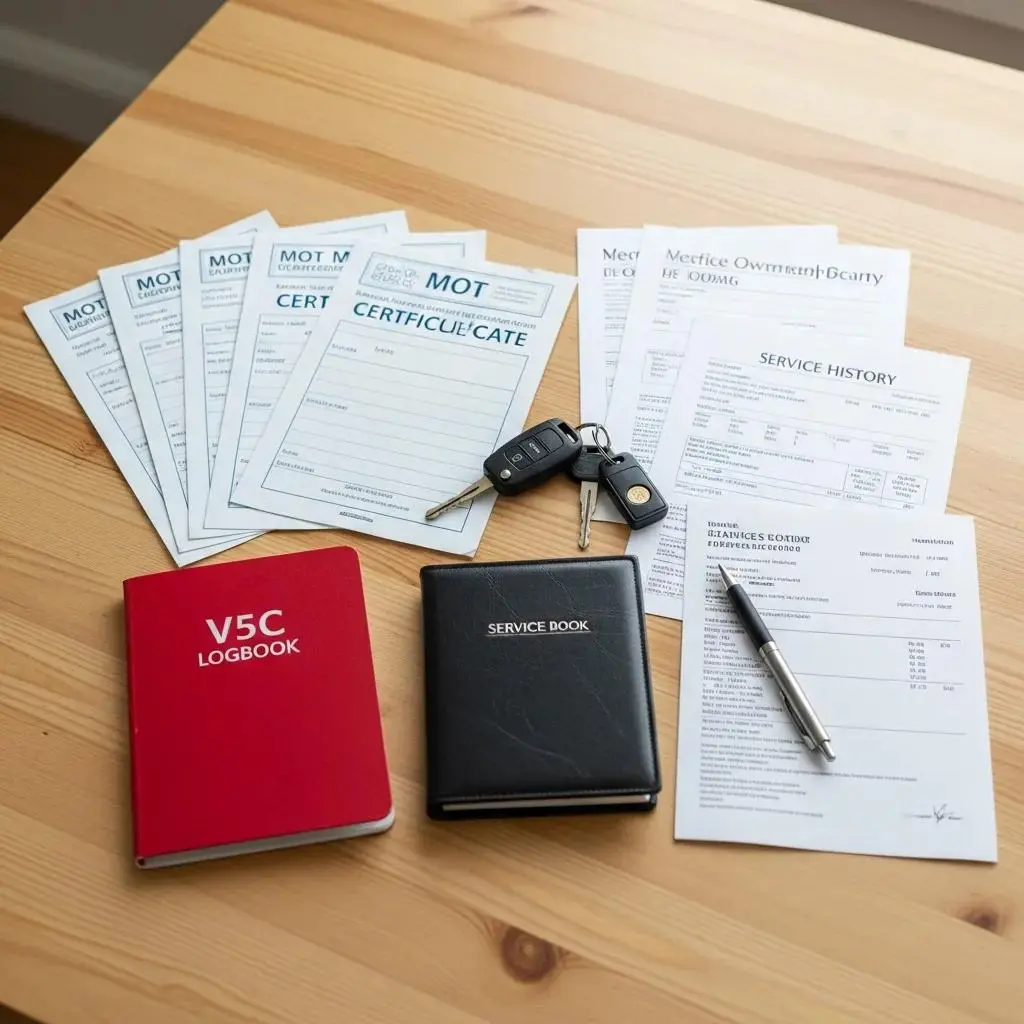
When selling a van, several key documents are necessary to ensure a smooth transaction. These documents not only facilitate the sale but also protect both the seller and the buyer from potential disputes.
Van Sale Paperwork Checklist
The essential documents required for selling a van include:
- V5C Logbook: Proof of the registered keeper and vehicle details.
- MOT Certificates: Evidence of the vehicle’s roadworthiness.
- Service History Records: Documentation of maintenance and repairs.
Having these documents ready can streamline the selling process and instill confidence in potential buyers.
Preparing Van Sale Paperwork and Legal Documents
To prepare for a van sale, sellers should gather the following documents:
- Locate the V5C Logbook: Ensure it is up-to-date with your details.
- Collect MOT Certificates: Gather the most recent certificates to show the vehicle’s condition.
- Compile Service History: Organize any service records to demonstrate the vehicle’s maintenance history.
Notifying the DVLA of the sale is also crucial, as it updates their records and protects the seller from future liabilities.
How to Complete the Step-by-Step V5C Transfer Process When Selling Your Van
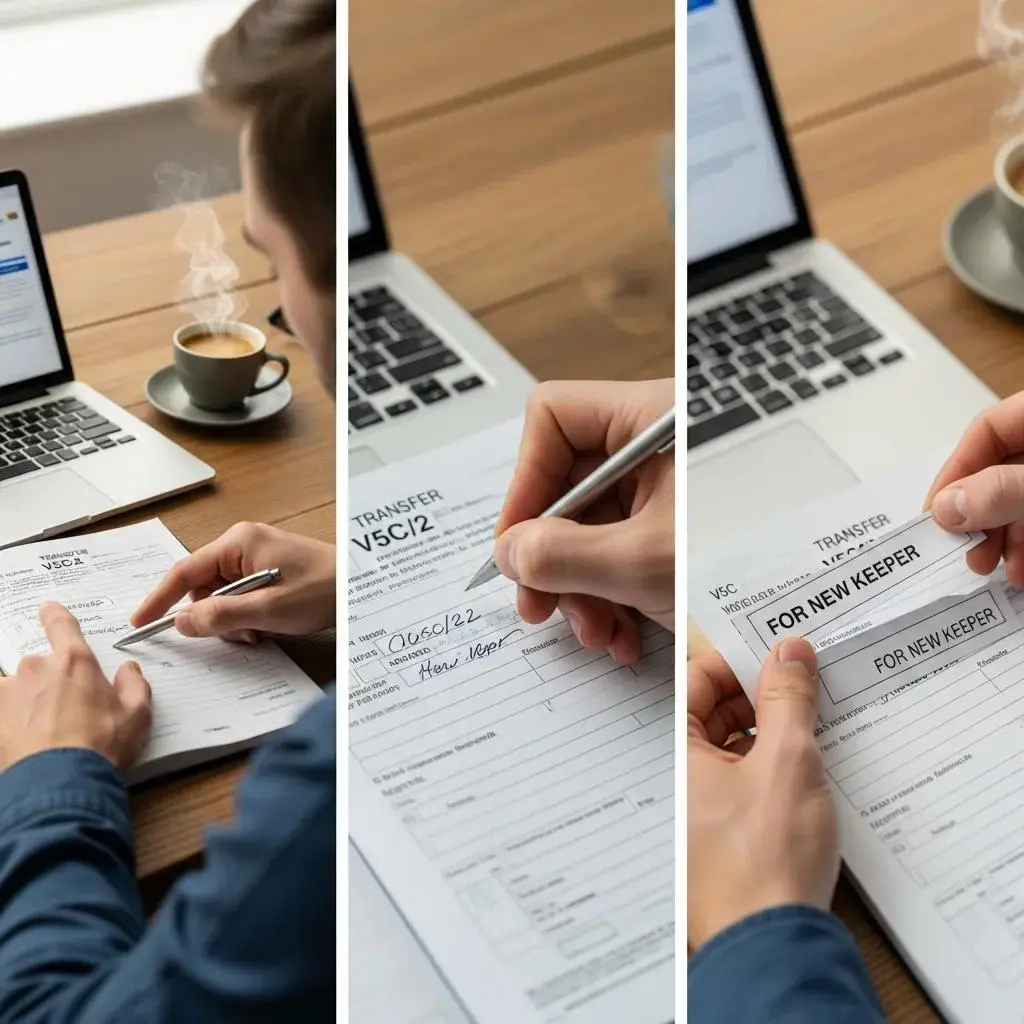
Transferring the V5C logbook to the new owner is a critical step in the selling process. This ensures that the new owner is officially recognised by the DVLA as the vehicle’s registered keeper.
Official Steps to Transfer the V5C Logbook to the Buyer
The official steps to transfer the V5C logbook include:
- Complete the V5C: Fill out the relevant new keeper section of the logbook with the buyer’s details.
- Give the New Keeper’s Details to the DVLA: The seller can either send the completed V5C to the DVLA or use the online service to notify them of the sale.
- Provide a Receipt of Sale: Give the buyer a receipt that includes the sale date and price.
Following these steps ensures that the transfer is legally recognised and protects both parties.
V5C Transfer Timescales and What to Expect
The V5C transfer process typically takes up to 4 weeks if done by post. If the seller registers the change online, the new V5C usually arrives within 5 to 7 working days.
During this time, the seller should keep a copy of the completed V5C and the receipt of sale for their records. Buyers can expect to receive their new V5C in the mail once the transfer is complete.
How Does Selling Your Van for Cash with Cash Your Vans Simplify Paperwork?
Using a service like Cash Your Vans can significantly simplify the paperwork involved in selling your van. This service specialises in providing van owners with a fast and convenient way to sell their vehicles for cash, minimising the hassle of paperwork.
Documents Needed for an Instant Van Sale
When selling your van through Cash Your Vans, you may be asked to provide:
- V5C Logbook: V5C Logbook: Essential for registered keeper and vehicle detail verification.
- Proof of identity: May be requested; confirm what’s needed before collection.
- Proof of address: May be requested; check acceptable documents in advance.
Having these documents ready can expedite the sale process and ensure a smooth transaction.
V5C and Registered Keeper Transfer Process
Cash Your Vans aims to keep the process simple by:
- Preparing the Necessary Documents: They focus on a straightforward handover and clear next steps.
- Notifying the DVLA: You’ll still need to notify the DVLA, and the buyer may guide you through the steps.
- Providing Instant Quotes: Sellers receive an instant online valuation, making the process quick and efficient.
This streamlined approach allows van owners to sell their vehicles with minimal stress and maximum convenience.
Successfully selling your van hinges on understanding the importance of the V5C logbook and the necessary sale documents. By ensuring you have the right paperwork, you can facilitate a smooth transaction and instill confidence in potential buyers.
Consider using services like Cash Your Vans to simplify the process and minimize hassle. Start by gathering your documents and choosing the selling option that suits you.
Frequently Asked Questions
What Should I Do If I Lose My V5c Logbook Before Selling My Van?
If you lose your V5C logbook before selling your van, you should apply for a replacement as soon as possible. You can do this online through the DVLA website or by completing a V62 form and sending it to the DVLA by post.
The replacement process typically takes about 5 to 7 working days. Having a valid V5C is crucial for a smooth sale, as it confirms you’re the registered keeper and helps build trust with potential buyers.
Are There Any Fees Associated With Transferring The V5c Logbook?
There are no fees for transferring the V5C logbook when selling your van. The process is free of charge, whether you notify the DVLA online or by post.
However, if you need to apply for a replacement V5C due to loss or damage, there is a £25 fee involved. It’s important to keep all documentation in good condition to avoid any unnecessary costs during the selling process.
Can I Sell My Van If It Has Outstanding Finance?
It is possible to sell your van with outstanding finance, but you’ll usually need to settle it first. The finance company may have legal title or an interest in the vehicle until the agreement is fully paid off.
Selling a financed vehicle without settling the debt can lead to legal and financial problems. Before selling, contact your finance provider to understand your options, which may include settling the loan or obtaining a settlement plan to clear the debt.
What Happens If The Buyer Does Not Receive The New V5c After The Transfer?
If the buyer does not receive the new V5C after the transfer, they should first check with the DVLA to confirm that the transfer was processed correctly. It can take up to 4 weeks for the new V5C to arrive by post. If there are delays beyond this period, the buyer can contact the DVLA for assistance. As a seller, it’s wise to keep a copy of the completed V5C and the receipt of sale for your records.