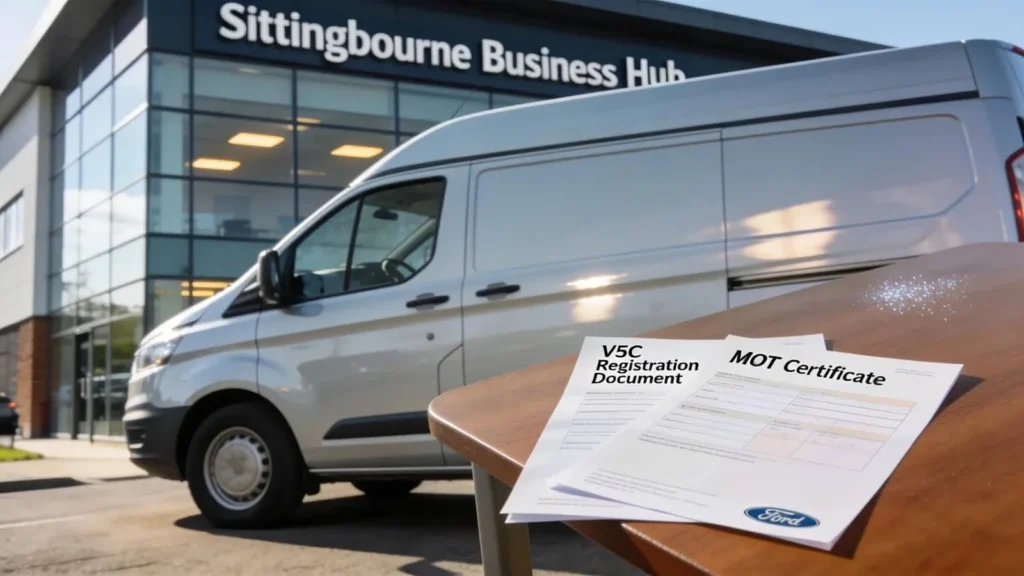
Selling a commercial vehicle in the UK involves knowing the DVLA requirements and which documents are useful for a smooth transaction. Key paperwork may include the V5C Registration Document and relevant MOT records.
These documents help buyers check the vehicle’s registration details and test history. The process can seem complicated, but good organisation and clear knowledge of the requirements can make the sale easier. It is also important to prepare and verify the necessary documents and follow current regulations.
Which Documents Are Required to Sell a Commercial Vehicle in the UK Legally?
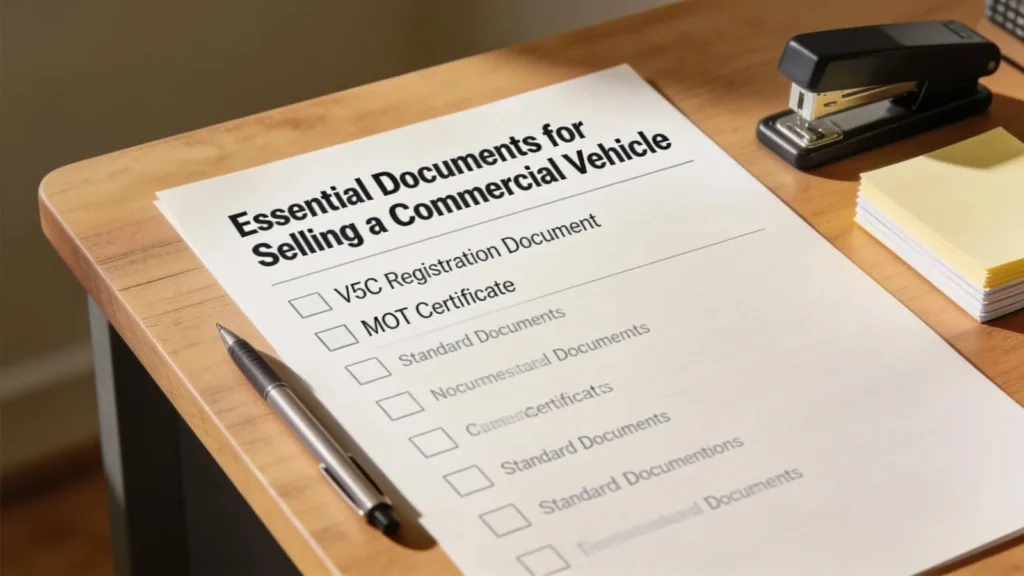
Selling a commercial vehicle in the UK requires the correct paperwork. The V5C record keeper details, the MOT certificate shows test status, and proof of purchase can support the transaction. These documents help record the sale and reduce the risk of disputes.
Vehicle Registration Certificate and Its Role in Ownership Transfer
The V5C Registration Document, or logbook, records the vehicle’s registered keeper and key vehicle details. It includes the keeper’s name and address, vehicle identification number (VIN), and engine number.
Buyers can use it to check that the vehicle matches the information provided, although the V5C is not proof of ownership. Completing the document correctly and notifying DVLA of the keeper change helps ensure the sale is properly recorded and can reduce the risk of future administrative disputes.
MOT Certificate Requirements for Commercial Van Sales
An MOT certificate records the result of an MOT inspection for vehicles that require testing. Larger commercial vehicles may need an annual vehicle test instead. A valid MOT can reassure buyers by showing the vehicle’s recent test status and history.
A missing MOT does not prevent the sale, but buyers may carry out extra checks or reduce their offer. Vehicles that require an MOT generally cannot be driven on public roads without one unless a legal exception applies.
How to Prepare and Verify Van Ownership Transfer Documents Efficiently?
Preparing and verifying the keeper-transfer and sale documents accurately helps support a successful sale. Consider organizing your documents into a checklist format to track each requirement effectively. Below are some recommended steps to ensure your documentation is in order:
- Start by gathering the V5C, any relevant MOT certificate, and proof of purchase.
- Verify that all documents are current and accurately reflect the vehicle’s details, such as VIN and registration number.
- Check for any outstanding finance and confirm whether it must be settled before the sale.
- Keep copies or records of the sale paperwork and DVLA notification for future reference.
Check that the V5C is completed correctly, especially the section used to record the new keeper. A thorough approach to document preparation helps mitigate any potential verification issues that could delay the sale process.
What Additional Paperwork Must Be Provided When Selling a Commercial Vehicle for Cash?
Extra records can make a commercial vehicle sale clearer for both parties. A bill of sale provides proof of the transaction, while any outstanding finance should be checked and settled where required. Service history is not legally required, but it can help buyers assess the vehicle’s maintenance and condition.
Documentation Requirements for Instant Van Sale Services
When utilizing instant sale services such as Cash Your Vans, specific documentation is streamlined to expedite the process. Documents commonly requested include:
- V5C Registration Document: Having this available can speed up the handover, but Cash Your Vans states it can accept vehicles without one.
- MOT Certificate: While not always mandatory for instant sales, MOT information can help document the vehicle’s condition and test history.
- Proof of Identity: You may need to provide proof of identity for the handover, such as a driver’s license.
Tax, Insurance, and Compliance Papers Required for a Smooth Transaction
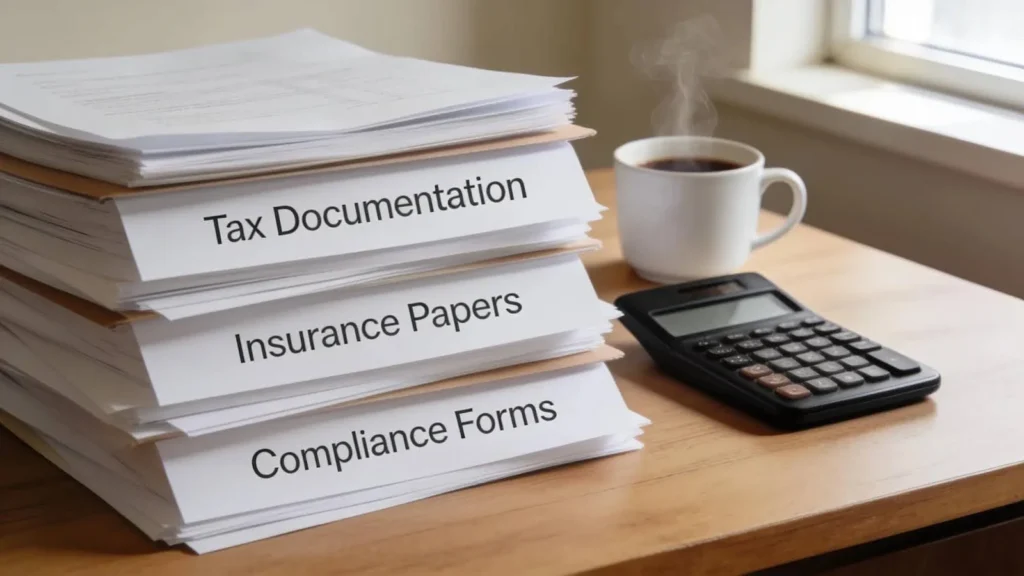
Tax and insurance affect how a vehicle can be used, but their records are not generally handed to the buyer. Some commercial vehicles may also have use-specific compliance records. Key considerations include:
- Vehicle Tax History: Vehicle tax does not transfer to the buyer. DVLA cancels the seller’s tax after the sale is reported.
- Insurance Details: Proof of the seller’s insurance is not normally required for the sale, although appropriate insurance is required when the vehicle is driven on the road.
- Compliance Documentation: Check whether your vehicle has any category-specific records that should accompany the sale. For example, some lorries require annual vehicle testing rather than an MOT.
How Can Sellers Ensure Compliance with 2026 UK Regulations for Commercial Van Sales?
As vehicle sale requirements change, sellers should keep up with the latest DVLA rules and documentation procedures. Before selling a commercial vehicle, check that the details on the V5C are accurate and match the vehicle and registered keeper information.
Once the sale is completed, notify the DVLA promptly so the change of registered keeper is recorded correctly. Keeping sale records and checking current guidance before handover can also help prevent delays or confusion.
These simple steps support a properly documented transaction and reduce the risk of administrative or legal issues after the vehicle has been sold.
Are Digital Documents and Verified Electronic Records Accepted?
The growing prevalence of digital documentation has initiated changes in the way vehicle sales are conducted. Understanding which sale steps can be completed online and which still rely on the V5C is useful for modern sellers. Considerations include:
- MOT status and history can be checked online, and sellers can notify DVLA of a sale online. The V5C itself is still issued as a physical registration certificate.
- Electronic records can streamline the process, but they must be verified for authenticity to mitigate fraud risks.
- Online DVLA services can provide quick confirmation that a keeper change has been submitted.
- Digital MOT records allow buyers to review test results and previous advisories before completing the sale.
- Electronic receipts and transaction records can provide useful evidence of the agreed sale and payment details.
Why Choose Cash Your Vans to Sell Your Commercial Vehicle?
At Cash Your Vans, we make selling a commercial vehicle simple. We understand that paperwork can feel confusing. Having the right documents ready can help the sale move faster.
Our service starts with a free, no-obligation valuation. You can provide your vehicle details online. This includes the registration, make, model, condition, and other basic information.
We buy vans, trucks, and lorries across the UK. We also buy old vans, damaged vehicles, and non-runners. This gives commercial vehicle owners another option when selling privately is difficult.
At Cash Your Vans, we help make the handover straightforward. We handle the sale process and paperwork. Sellers should have relevant vehicle documents available, including the V5C logbook and any useful MOT or service information.
Frequently Asked Questions
What Documents Are Needed to Sell a Commercial Van in the UK?
You should usually prepare the V5C registration document, proof of identity, and relevant vehicle records. An MOT certificate, service history, and proof of purchase can also help make the sale go more smoothly.
Can You Sell a Commercial Vehicle Without a V5C Logbook?
A vehicle can sometimes be sold without the physical V5C, but it may make the process more difficult. The seller should consider replacing a missing logbook before the sale. If the vehicle is sold without one, notify DVLA by post with the required sale and new-keeper details.
Do You Need an MOT Certificate When Selling a Van?
A valid MOT can make your van easier to sell because buyers can check its MOT status and test history. Requirements may vary depending on the vehicle’s type, age, exemption status, and whether it will be driven on public roads.
What Paperwork Should You Keep After Selling a Commercial Vehicle?
Keep a copy of the sale receipt or bill of sale, payment records, and any DVLA keeper-transfer confirmation. These records can help prove when the vehicle was sold if questions arise later.