Finding an emissions failure on your MOT can be stressful: your van’s value can drop overnight and repair bills mount quickly. This guide cuts through the jargon and explains what an emissions failure really means, the parts that commonly cause it, and the straightforward routes available across the UK to get a fair price or avoid long delays.
You’ll learn how to weigh repair costs against sale value, what information buyers need, and the legal and recovery steps for vans with DPF, catalytic converter or sensor faults.
We also outline repair timelines, selling choices (professional buyers or scrap), current market context for 2024–2025, and a clear step-by-step on getting an instant valuation. If you need speed, get an instant quote from Cash Your Vans.
What Does It Mean When Your Van Fails Its Emissions Test?
A failed emissions MOT means your van exceeded the legal limits for exhaust pollutants measured during the test, a sign of issues with combustion, filtration, or sensor systems.
Emissions checks look for excessive smoke and abnormal sensor readings, and measure gases such as carbon monoxide (CO), hydrocarbons (HC), and oxides of nitrogen (NOx).
A fail typically points to a mechanical or electronic fault that impacts road legality and resale value. Knowing this helps you decide whether to repair or sell as-is, because fixes range from inexpensive sensor swaps to costly part replacements. Identifying likely causes narrows your next steps: is it a sensor, a blocked DPF, or a damaged catalytic converter?
Common Causes of Van Emissions Failure
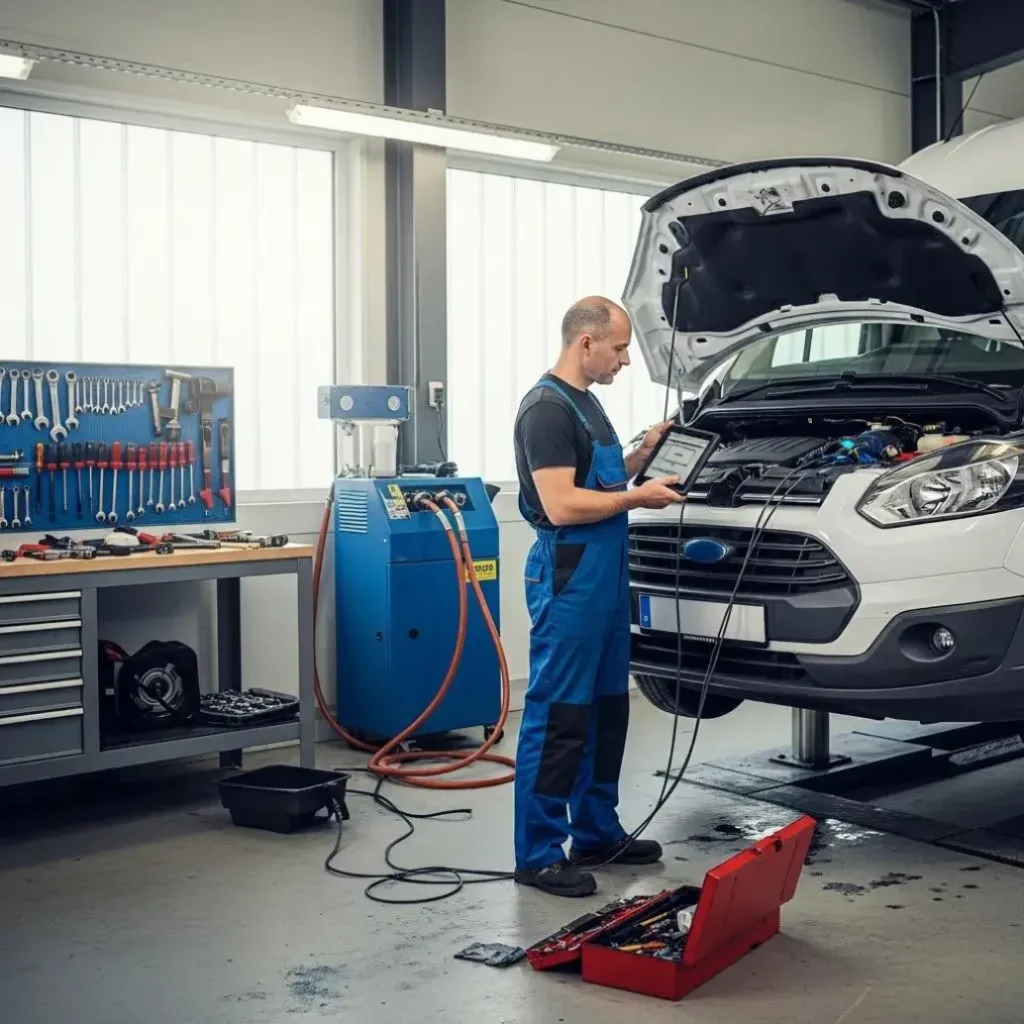
Most failures come from a short list of parts that raise pollutants or visible smoke. DPF (Diesel Particulate Filter) blockages are common on high-mileage diesel vans used for frequent short trips, causing backpressure and smoke. Catalytic converter problems usually follow physical damage or theft and stop the converter working effectively.
EGR valve faults and failing lambda/oxygen sensors can upset fuel–air mix and increase emissions, while worn injectors or fuel-system faults produce smoke and more particulates. Pinpointing the likely cause helps you estimate repair costs before deciding whether to fix or sell.
Legal and Financial Risks After a Failed Emissions Test
An emissions failure carries immediate legal and financial consequences to consider when choosing to drive, repair, or sell. Driving without a valid MOT is illegal except to reach a pre-booked MOT or a repairer, and insurance can be void if you drive with an expired MOT, so arranging recovery or sale quickly is important.
Financially, an emissions failure speeds up depreciation and erodes buyer confidence, often cutting a private-sale price by several hundred pounds depending on age and mileage. Acting promptly, repairing or disposing of the van, reduces legal exposure and limits further costs.
What Are Your Options for a Van That Has Failed Its Emissions MOT?
After an emissions failure, you generally have three realistic options: repair and retest, sell privately or to a professional buyer, or scrap/recycle. Repair is sensible if the fix is inexpensive and you need the van back in service, but it can be slow and costly when major parts are needed.
Selling as-is to a professional buyer or specialist salvager usually gives quickest access to cash with the least hassle. Scrapping works best for very low-value vans where parts recovery and recycling deliver the best return.
Each route involves trade-offs in time, likely net value and legal responsibilities, so compare repair estimates, expected resale after repair, and the effort involved.
If you choose to sell, a quick way to avoid repair headaches is to use a specialist buyer. Cash Your Vans buys vans, trucks and motorhomes in any condition, including MOT failures, body damage, or non-running vehicles, and offers instant quotes, free nationwide collection and immediate payment on collection.
A professional buyer removes the need to pay for repairs, arrange your own transport, or wait for a private-buyer sale, which is often slower and less certain.
Comparison of options, review this before choosing your route:
- Repair and Retest: Best if the issue is inexpensive and you need the van for the long term.
- Sell to a Professional Buyer: Best for fast cash and minimal effort when repair costs are high.
- Scrap or Recycle: Best when the van has low market value and salvage components offer the strongest return.
Repair vs Sell Decision for an Emissions-Failed Van
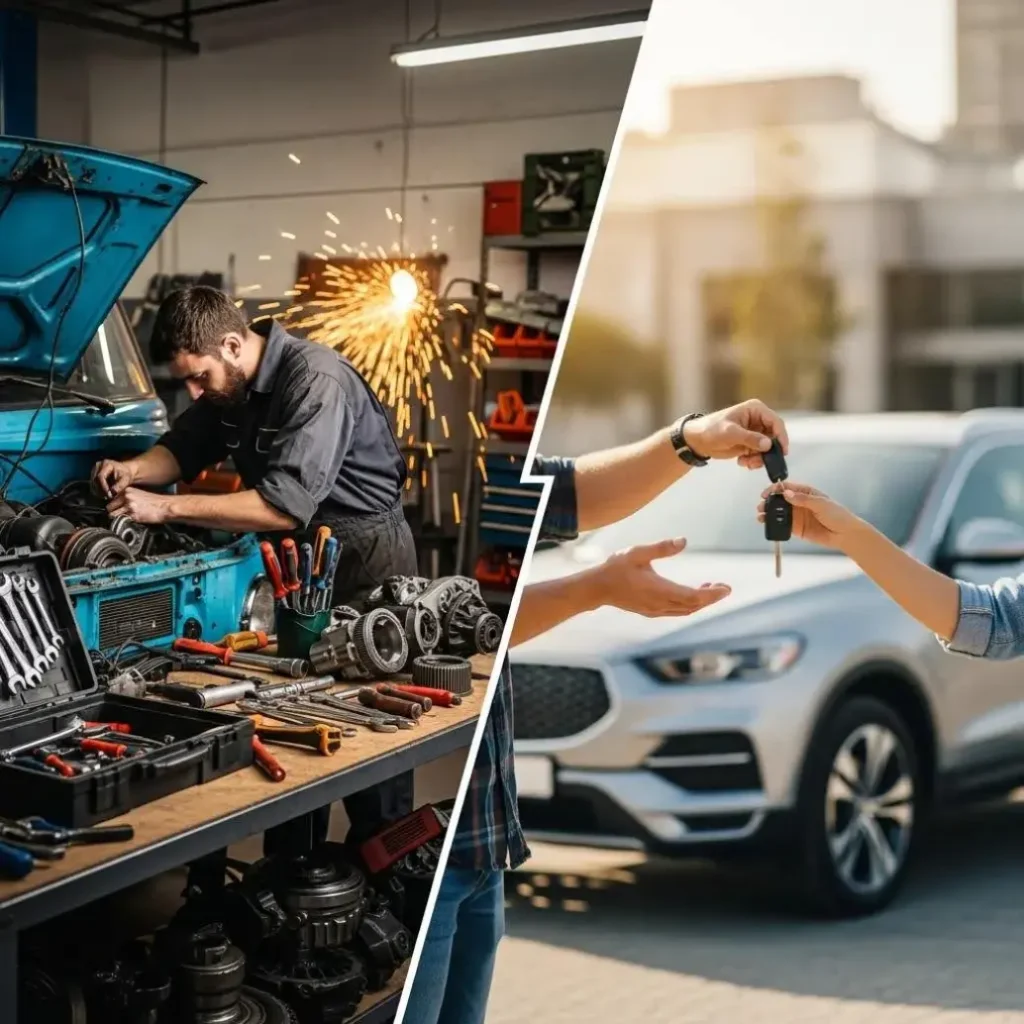
Decide by comparing the repair estimate against the likely resale increase and how long you can afford the van off the road. Small fixes, a sensor swap or a forced DPF regeneration, often justify repair when the resale gain exceeds the cost.
Big jobs, like replacing a catalytic converter or major DPF work, can cost more than the increase in sale value. Be conservative: include parts, labour and MOT retest fees, then compare that total to instant offers from professional buyers.
If time and cash flow matter more than squeezing extra value from a private sale, selling as-is is usually the better route.
Time and Cost Comparison: Selling vs Repairing
Selling as-is generally delivers immediate cash: you can get online quotes and arrange collection within days, avoiding parts sourcing and workshop downtime.
Repair times vary widely, sensor swaps or DPF regeneration procedures can be same-day, but parts replacements and labour can immobilise the van for longer, adding lost earnings for tradespeople.
Include hidden costs when comparing: loss of income during downtime, potential towing or recovery charges if driving is illegal, and MOT retest fees. For many owners facing large emissions repairs, those combined costs push the balance toward selling to a specialist buyer.
Why Choose Cash Your Vans to Sell Your Van with Failed Emissions?
If selling looks like the right option, Cash Your Vans is a practical specialist buyer for emissions-failed vans. We address the main seller pain points: speed, transport logistics, and secure payment.
We buy vans, trucks and motorhomes in any condition, including MOT failures, body damage and non-running vehicles, and offer instant quotes, free nationwide collection and immediate payment on collection.
These benefits remove the need to organise repairs, haggle with private buyers, or arrange risky transport. For owners who want a straightforward, fast sale with minimal paperwork, this approach reduces stress and gets you paid quickly.
| Benefit | Expected Time | Cost to Seller |
|---|---|---|
| Instant Quote | Minutes to a few hours | £0 (no obligation) |
| Free Nationwide Collection | Same to next week, typically | £0 (included) |
| Instant Payment on Collection | On collection | £0 (immediate funds) |
Benefits of Selling to Cash Your Vans After Emissions Failure
Using a specialist removes the financial and logistical friction of repairs and private sales. You avoid upfront repair bills, save time on advertising and viewings, and cut the risk of sales falling through because of mechanical issues.
Free collection removes the need to drive an unroadworthy vehicle or to book paid recovery, and instant payment on collection gives immediate cash for replacement transport or to keep your business running.
For example, one owner with a blocked DPF needed cash fast and avoided several days of downtime and a costly repair bill by selling to a specialist buyer.
These benefits align with the priorities most sellers have: speed, simplicity and certainty. Next we walk through the step-by-step selling process.
Cash Your Vans Selling Process for Emissions-Failed Vans
The process with a specialist buyer is short, clear and paperwork-light, ideal for owners with emissions-failed vans. First, give key vehicle details to get an instant quote. Second, accept the offer and book a collection slot.
Third, prepare basic documents and hand over the vehicle at collection, when payment is made on the spot. Typical paperwork includes proof of ownership and keys if available; the buyer handles removal and any recycling or salvage. This streamlined flow removes the need for repairs, lengthy listings, or driving without a valid MOT.
| Step | Action | Typical Timescale |
|---|---|---|
| 1 | Request instant quote with vehicle details | Minutes to a few hours |
| 2 | Accept offer and arrange collection | Same or next week |
| 3 | Handover vehicle and paperwork; receive payment | On collection |
This process explains why sellers who value speed and simplicity often choose specialist buyers, and it prepares you for the “how to get a quote” section that follows.
How to Get an Instant Quote and Sell Your Van with Failed Emissions Today?

Getting an instant quote and completing a sale is straightforward if you know what buyers need to value an emissions-failed van. Clear, accurate information speeds valuation and cuts follow-up questions.
Be ready to describe faults, show visible damage, and state the current MOT status. Photos and recent symptoms, smoke levels, dashboard warnings or OBD codes, make offers more accurate and speed up collection. Use the checklist below to prepare before requesting a quote.
- Gather the make, model, year, and mileage of the van.
- Note MOT status and the exact nature of the emissions fail.
- List mechanical symptoms (smoke, warning lights, error codes).
- Take clear photos of the exterior, engine bay, and exhaust.
- Have ownership documents and keys ready for collection.
Following this checklist speeds valuation and reduces the chance of offer renegotiation, leading into the collection and payment timescales covered next.
Information Needed for an Instant Quote
Buyers rely on a concise set of facts to give a reliable instant quote: vehicle identity details, the precise MOT result, a description of emissions symptoms, and photos. Key fields include make, model, registration year, mileage, and whether the van starts or runs.
Specify if the failure was DPF-related, catalytic converter damage, sensor faults, or visible smoke. Short, clear photos of the engine bay, underside, and exhaust tip help remote assessors quickly judge condition. Providing this information usually shortens valuation time and produces a fairer offer.
Collection and Payment Timescales
After you accept a quote, most specialist buyers offer a collection window from same-day in urban areas to the next week in remote locations, and free nationwide collection is typically included.
Payment is usually made instantly at collection by bank transfer or another immediate method so you leave with the funds. Before collection, find the V5 logbook and keys if available, and prepare a short handover note listing known faults; this keeps the process smooth. Local availability varies, but most sellers see a collection within a few days.
Get an instant quote and sell your van, truck, or motorhome to Cash Your Vans.
What Are the Most Common Questions About Selling Vans with Failed Emissions?
Sellers often ask about part-specific values, the legality of driving a failed-emissions vehicle, and whether to remove parts before sale.
Clear, concise answers reduce uncertainty and speed decision-making, for example, a blocked DPF doesn’t make a van unsellable, and catalytic converter theft reduces value but doesn’t mean the vehicle can’t be sold. The short Q&A below addresses these common concerns.
Selling a Van With a Failed DPF or Catalytic Converter
Vans with a blocked DPF or a damaged catalytic converter are still sellable, though value is affected by repairability and replacement costs.
DPF problems are common on high-mileage diesels and can sometimes be resolved affordably with cleaning or a forced regeneration; catalytic converter replacement is usually more expensive and can reduce resale value.
Be honest about component faults when listing or requesting a quote, specialist buyers factor these conditions into their offers and often provide a fast alternative to costly repairs.
UK Road Legality: Driving a Van With Failed Emissions
In the UK, you should not drive a van that has failed its emissions MOT except to travel directly to a pre-booked MOT test or a repairer, because driving without a valid MOT can lead to fines and invalidate insurance. If the MOT has expired, arrange collection or professional recovery rather than driving the vehicle.
Selling to a specialist buyer with free collection removes the need to move an unroadworthy vehicle on public roads, so arranging collection is the safest option.
Frequently Asked Questions
Can I Drive My Van After It Has Failed the Emissions Test?
In the UK, you must not drive a van that has failed its emissions MOT except to get to a pre-booked MOT appointment or an authorised repairer. Driving once the MOT has expired can lead to fines and may invalidate your insurance. It’s safer to arrange professional recovery or collection.
What Should I Disclose to Potential Buyers When Selling a Van With Emissions Issues?
Be transparent. Tell buyers the exact nature of the emissions failure, any visible damage, and the current MOT status. Note symptoms such as smoke, dashboard warnings or error codes. Clear disclosure builds trust and helps you receive a fair valuation from professional buyers.
Is It Worth Repairing My Van Before Selling It?
That depends on repair cost versus expected resale gain. Minor, low-cost repairs can increase value and be worthwhile. Major, expensive jobs often don’t pay back and selling as-is to a specialist buyer is usually the better option. Include time and lost earnings when you calculate.
How Do I Determine the Value of My Van With Failed Emissions?
Value depends on make, model, age, mileage and the specific emissions fault. Specialist buyers give instant quotes that factor in likely repair costs. Give accurate details and photos to get the fairest, quickest valuation.