When your van, truck, or motorhome is badly damaged, one question looms large: is it worth salvaging, or should you scrap it? In this guide, we explain scrapping vs salvaging in clear terms for UK commercial vehicles, so you can see where the real value lies.
You’ll learn how insurers, salvage categories, and Authorised Treatment Facilities (ATFs) influence what your vehicle is actually worth, plus the warning signs that point one way or the other.
And if you decide you’d rather skip repairs, auctions, and hassle, you’ll see how Cash Your Vans can turn a damaged vehicle into fast, straightforward payment.
What Is a Salvage Vehicle and How Does It Affect Your Van’s Value?
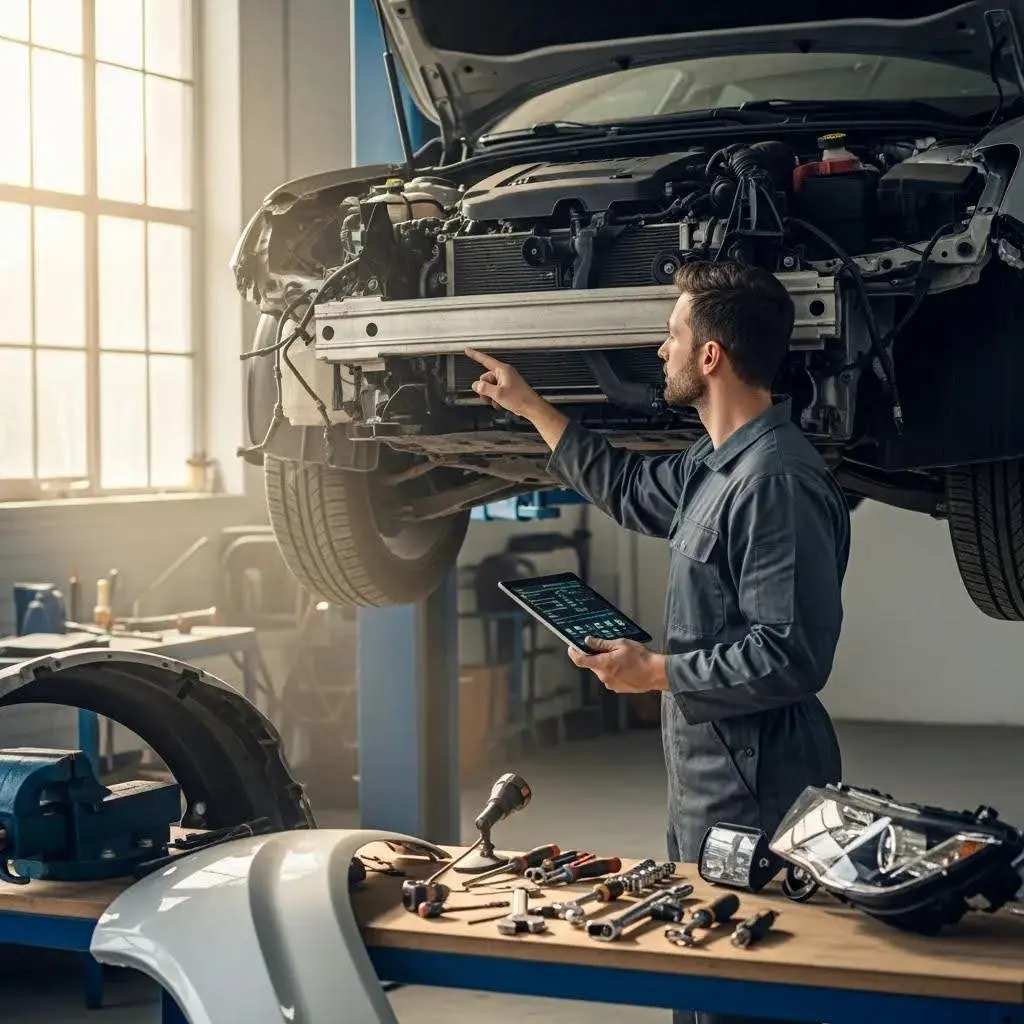
A salvage vehicle still has repairable components or enough structure to be restored, re-registered, or dismantled for valuable parts. Salvage status keeps value in the vehicle.
Buyers look to recover engines, gearboxes, body panels, or electronics that still work. For commercial vans, trucks, and motorhomes, recent models with in-demand parts usually fetch higher salvage prices.
Payment is driven by parts and repair potential, not metal weight. Next, we’ll look at common salvage categories and how they affect resale prospects for commercial vehicles.
Salvage Vehicle Meaning for Vans, Trucks, and Motorhomes
For commercial vehicles, salvage typically covers accident damage, flood exposure, or partial structural faults. Repairs must be feasible and parts marketable. UK classifications can flag structural or non-structural damage, and those labels affect insurer write-offs and buyer interest.
For instance, a van with replaceable body panels and an intact drivetrain attracts stronger salvage bids. A vehicle with a crushed chassis is worth less because buyers cannot recover as many high-value components.
The practical takeaway is to check repairability and parts demand first. Those two factors usually decide whether to sell for salvage or send the vehicle to an ATF for scrapping.
| Salvage Category | Repair Impact | Market Consequence |
|---|---|---|
| Minor structural or panel damage | Fixable with bodywork and parts replacement | Higher salvage value; sought after by rebuilders |
| Non-structural damage (electrical / interior) | Low-cost repairs or part-outs are possible | Strong demand for components; better resale options |
| Major structural damage, but reusable components | Chassis compromised, but drivetrain or parts intact | Value comes from recoverable parts rather than full repair |
What Is a Scrap Vehicle and When Should You Scrap Your Van?
A scrap vehicle, or end-of-life vehicle (ELV), is no longer economical to repair. It is sent for recycling, depollution, and metal recovery at an Authorised Treatment Facility (ATF). Scrap value is mainly based on metal weight and any recoverable components.
Scrapping is the right choice when repair costs are higher than the vehicle’s value or safety is compromised. It also suits older vehicles with low parts demand. For UK commercial vehicles, scrapping means formal depollution and removal of hazardous fluids.
You also receive an ATF certificate, a step that meets regulations and protects the environment. Below are clear signals that scrapping is the practical, cost-effective option.
Indicators that scrapping is the right choice:
- Repair costs exceed the vehicle’s market value, making restoration uneconomic.
- Extensive structural or chassis damage that affects safety and integrity.
- Advanced age or low parts demand, so salvage buyers offer little above metal value.
Use these indicators to decide whether to get salvage offers or prepare for ATF processing. The next section explains the ATF steps in plain terms.
Scrap Vehicles and End-of-Life Vehicles in the UK
In the UK, an ELV must go through an Authorised Treatment Facility where depollution, component removal, and recycling take place. The owner then receives a certificate confirming lawful disposal.
That certificate is needed to close the vehicle’s registration. ELV processing usually finishes within a few days after drop-off. Payouts reflect current scrap metal rates plus any income from sold parts.
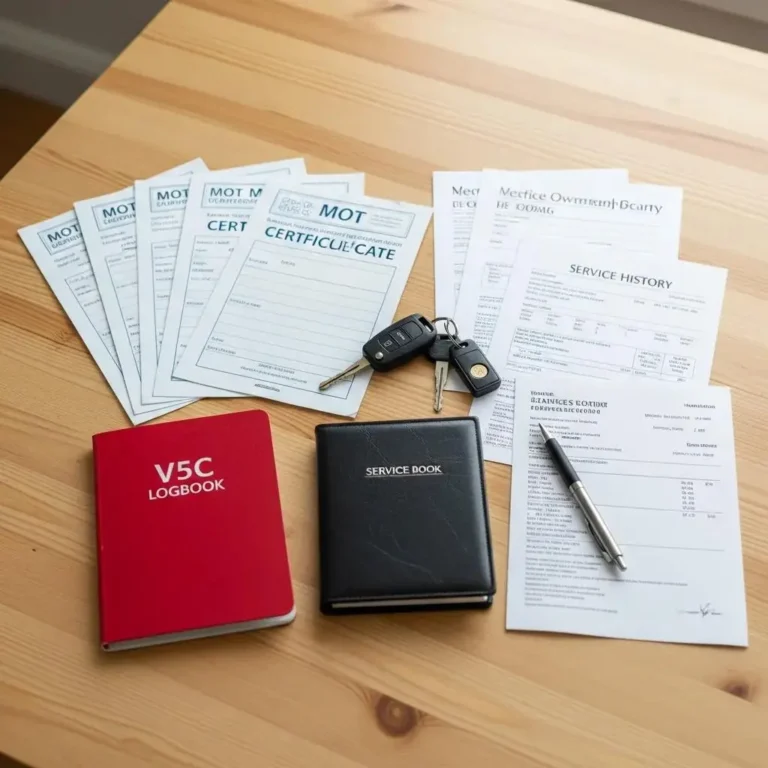
To speed things up, have your V5 ready and bring keys and service records if you can. Knowing the likely ATF outcome helps you weigh scrapping against salvage offers. These offers tend to focus on parts value rather than metal alone.
Authorised Treatment Facility Process for Scrap Vehicles

The ATF follows a clear sequence to meet environmental rules and maximise material recovery. Expect identity checks, depollution, and removal of hazardous fluids.
The ATF will salvage resellable parts such as batteries, catalytic converters, and other usable items. The vehicle then goes for shredding or metal processing, and you receive an ATF certificate.
This step-by-step view helps you compare the predictable ATF payout with the variable returns from salvage markets. Knowing the process lets you choose scrapping for certainty or salvage if parts markets look promising.
- Vehicle acceptance and identity check at the ATF.
- Depollution: draining fuel, oil, coolant, and other hazardous fluids.
- Dismantling of reusable parts for resale or reuse.
- Metal processing and issuance of an ATF certificate to the owner.
These steps show how scrapping delivers regulatory-compliant disposal and a predictable cash outcome, something to weigh against potential salvage earnings.
Scrap vs Salvage: Which Option Offers More Value for Your Damaged or Non-Runner Van?
Which route pays more depends on repairability, parts demand, vehicle age, and condition. Salvage usually pays better when repairable components are in demand; scrap pays based on metal weight and recyclables.
Recent models with intact drivetrains, modern electronics, or popular body parts can bring strong salvage prices. Dismantlers and rebuilders recover high-margin items from these vehicles.
Vehicles with total structural failure, heavy corrosion, or very low parts demand rarely suit salvage. They usually give better, simpler returns through scraping at an ATF. The table below contrasts the main value drivers and typical buyers for each outcome to help you self-assess.
| Option | Main Value Driver | Typical Buyer / Outcome |
|---|---|---|
| Salvage | Usable parts and overall repairability | Dismantlers, rebuilders, and salvage yards |
| Scrap | Metal weight and recyclables after depollution | ATFs and metal recyclers |
| Mixed outcome | Recover select parts, then scrap the remainder | Part-out specialists or combined ATF sale |
Quick decision rule: chase salvage where the repair cost is low compared with expected resale or parts value. Choose scrapping when the ATF route offers a simpler, compliant disposal with a predictable payout.
When salvaging is likely more profitable than scrapping:
- Repair cost is a small fraction of the vehicle’s pre-damage market value, and parts are in demand.
- The vehicle is a recent model with sought-after components like a modern engine, gearbox, or electronics.
- Local salvage market conditions or insurance write-off categories indicate higher offers from rebuilders.
These guidelines give practical thresholds for deciding between salvage bids and ATF scrap offers. Next, we explain how to turn either choice into a fast cash sale.
How Can Cash Your Vans Help You Sell Your Damaged Vehicle Easily?
Cash Your Vans buys vans, trucks, and motorhomes nationwide in any condition. We offer an instant quote, free nationwide collection, and payment on collection. This suits you if you’d rather sell than repair or arrange ATF scrappage.
The service is built for speed and simplicity. Send basic vehicle details for a valuation and accept the offer if it suits you. We’ll then arrange a free nationwide collection with payment on handover.
Whether you’re weighing salvage bids or scrap offers, Cash Your Vans provides a straightforward cash outcome. You avoid the uncertainty of part-outs or ATF timing. We handle collection and paperwork so you don’t have to. The table below shows the service steps and benefits.
| Service Step | What Happens | Timeframe / Benefit |
|---|---|---|
| Instant quote | Tell us the vehicle details to get a valuation | Quick estimate so you can decide the next step |
| Free collection | We arrange nationwide pickup at a time that suits you | Hassle-free removal with no transport to organise |
| Immediate payment | Cash or bank transfer on collection | Fast access to money at handover |
Instant Quote and Free Collection Process
Getting an instant quote is simple. Provide the vehicle’s basic details and condition, plus registration. We’ll give a valuation that reflects salvage or scrap potential. If you accept, Cash Your Vans arranges free nationwide collection and handles the next steps.
We make payment on collection, avoiding the long waits typical of auctions or ATFs. To prepare, have the keys and proof of ownership ready. We’ll take care of transport and paperwork to finish the sale. This process suits owners who value speed and certainty over chasing uncertain, sometimes higher, salvage returns.
Vehicle Conditions Accepted for Instant Payment
We accept vans, trucks, and motorhomes in a wide range of conditions: MOT failures, non-runners, accident-damaged, or written-off vehicles. That makes it easier if you face costly repairs or a complex salvage route.
Payment is made on collection by cash or bank transfer, with no hidden fees and free nationwide collection. That way, you know exactly what you’ll receive at handover. If you prefer to sell rather than repair, request an instant quote.
This lets you turn your vehicle’s salvage or scrap potential into cash quickly and cleanly.
- We take MOT failures, non-runners, and accident-damaged vehicles.
- Payment is immediate on collection, with no hidden fees and free nationwide collection.
- Service covers vans, trucks, and motorhomes in any condition to simplify your decision.
Selling for cash to a single buyer removes negotiation, transport, and compliance stresses. It compares well with chasing multiple salvage buyers or arranging ATF disposal. When you’re ready, request an instant valuation, and we’ll handle the rest.
Frequently Asked Questions (FAQs)
What are the environmental benefits of scrapping a vehicle at an ATF?
Using an Authorised Treatment Facility (ATF) means hazardous materials are removed and disposed of safely, preventing contamination. ATFs depollute vehicles by draining fluids like oil and coolant and by recovering reusable parts.
They also recycle metals and plastics, reducing landfill and returning materials to the supply chain. This regulated process supports a more sustainable circular economy.
How can I determine if my vehicle is salvageable?
Check the extent of the damage and the condition of key components. Look for repairable items such as the engine, gearbox, wiring, and body panels. Minor structural or non-structural damage often makes salvage worthwhile, especially if parts from your model are in demand. If you’re unsure, a mechanic or salvage specialist can compare repair costs with likely resale or parts value.
What documentation do I need to scrap my vehicle?
To scrap your vehicle at an ATF, you’ll generally need the V5 registration certificate to prove ownership. Service records and MOT documents are helpful but not essential. You’ll also hand over the keys. The ATF will then issue a certificate confirming lawful disposal, which you’ll need to close the vehicle’s registration.
Can I sell a vehicle that has been written off by my insurance?
Yes. Written-off vehicles can still be sold, but you must disclose their status to buyers. Depending on the damage, they may be repairable or worth more to salvagers for parts.
You can get salvage offers or sell to Cash Your Vans, which accepts written-off vehicles. The company provides an instant quote. Transparency about the condition helps keep the transaction fair.